Tag: learn

  • Viewing photography

    I seek out places I can view good photography. I love looking at good photographs. It is really one of the biggest reasons I became interested in photography. I have found through my journeys a couple of absolutely wonderful places to view good photography. My two favorite sites for viewing good photography are Behance and 500px. When you get to either of these places I am immersed in a gallery of beautiful photographs. The imagery covers all the genres of photography from landscapes to fine art.

    Yesterday, I wrote about needing a break from my photography. I’ve had that and now spring is approaching us in the northern hemisphere and it’s time for me to get my photography going as it did before the break. It is sort of rebirth if you will. What better way to be reborn as a photographer than to spend time viewing beautiful photographs. If you haven’t viewed either of these sites and browsed the photographs and artists there go and take a look. If you have other sites that have wonderful photographs feel free to drop me a line in the comments with your favorite sites.

  • Sometimes you need a break

    Sometimes you need a break

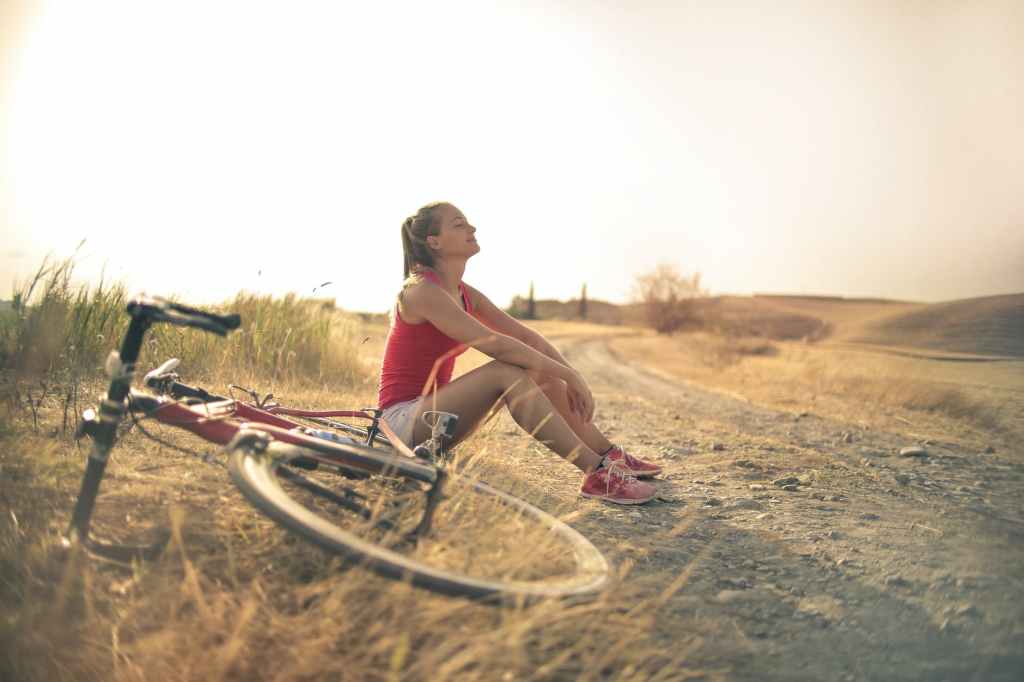
    Photo by Andrea Piacquadio on Pexels.com

    Many of you may have noticed that I skipped yesterday’s blog post. Then again, maybe no one noticed. Either way is fine. I decided I needed a break. Writing this blog has been an interesting challenge for me. I have written something every day, now minus two for the past 6 months, 4 on this site. Yesterday, I was completely dry, I sat in front of my computer screen for an hour and nothing came to mind. So, I finally decided it was time for a break.

    This is how my photography has been for the past several months. I have felt like I was repeating my photographic work. Work I had done before and was just photographing the same things over and again. It was time for a break. No matter what your endeavor is it is important to take a break every once in a while. It will refresh your creative mind, at least it has mine.

    Now that we are rapidly approaching spring, at least in the northern hemisphere, it is time for a rebirth. Break time is over, and it is time to begin once more.

  • Showing your art to the world

    Showing your art to the world

    Do you show the world your photographic art? How do you show it? Where do you show it? There is a multitude of options from social media platforms to prints. the method you choose can widely limit how many people actually see your work. Is it even important to you to have others see your art?

    I know I have written this before, but social media platforms can be dark places to display your work if you are easily offended or discouraged, especially for new and beginning photographic artists. The world of social media is full of people who thrive on trolling others and insult not only their work but the artists. But, social media isn’t all bad. There are groups that exist that are very supportive of members both new and experienced. Typically, these are smaller in size.

    If you choose a web hosting service, the problem exists of driving traffic to your site for the world to discover your work. with literally millions of photographers, and billions of photographs the chances of people discovering your art could be the proverbial needle in a haystack.

    If you choose to print and display your work in your house or even a local gallery the traffic of potential viewers can be greatly limited.

    You also have the option of multiple methods of showing the world your work. through social media, a website, and through prints.

    Unlike photographers of decades past, we have available to us a vast array of methods of showing the world our art. Get your work out there, show the world what you create.

  • Why Ansel Adams was a master

    Why Ansel Adams was a master

    I could list dozens of reasons why Ansel Adams was a master of photography, but the single biggest reason I believe he was a master is that he was not afraid of post-processing. He spent hours in the darkroom getting the best possible print to match his vision of a scene. He was meticulous in both the exposure of the negative, its development, and the final print. I seriously doubt the majority of us are as meticulous. We go out and point and snap. Yeah, I know we have some tools that he didn’t have, we have autofocus, we have built-in light meters, blah, blah, blah. But are you really using these tools to their fullest? Probably not, and in fact, I would say most times, absolutely not.

    Thinking about how haphazard I have come to depend on technology to instantly give me the results I think I want I have decided that I need to slow down, and set up my photographs and truly utilize the tools I have available.

  • You’re not as good as your camera

    You’re not as good as your camera

    Edward Steichen once said, “No photographer is as good as the simplest camera”. Edward Steichen died in 1973. The first digital camera was created in 1975. It was the size of a printer, weighed 4 kg, used 16 batteries, and recorded images on a digital cassette tape. The first mass-produced autofocus camera was the Konica C35 AF which came to market in 1977. Why all this history? In Edward Steichen’s time cameras were much more simple than today’s modern cameras. So if no photographer is as good as the simplest camera in Edward Steichen’s time we’re not even close nowadays.

    We obsess over gear. We talk about all the features and high ISOs, about the video capabilities of our still cameras, The ability to use more than one memory card where we can store thousands of photographs. We talk about the clarity of the electronic viewfinders, and the sharpness of the lenses with the modern coatings.

    What we should be obsessing over is our ability to take photographs. I watch photographers when they are out doing their thing. They see something point the camera snap the picture and hope for the best. They don’t meter the light, examine the subject, check their position, set up the focus. Yeah, I know, there is a meter in the camera, there is autofocus, but how are they metering, what are they metering, what are they focusing on, why? So many photographers also never leave the standing position. Stand, snap, move, stand snap.

    I think I can do better. I think you can do better. Let’s start to obsess over results rather than gear. Let’s start to plan our shots, do a better job at metering the light, controlling the focus, making sure we have the best perspective, study our subject. Let’s work to get closer to the ability of our gear.

  • Do you really want to improve your photograph?

    Do you really want to improve your photograph?

    Do you really want to improve your photography? If not do you think your photography is the best it can be? If you do what have you done recently to improve? These may seem like simple questions but I believe if we really dig and ponder they aren’t necessarily simple. For instance, if I say yes, I really want to improve my photography but I haven’t done anything to improve then maybe I don’t really want to get better. If I say no, I don’t want to improve my photography because it is the best it can be then am I saying it is the best, or am I not capable of improving?

    Maybe it’s just me but I always want to improve. While I may not have shared many new images doesn’t mean that I’m not shooting photographs. A good number of things I photograph are never intended to be anything more than experimenting or testing. I read loads of articles and listen to photography podcasts. I study photographs of others. I don’t want to copy another photographer’s style but may use bits and pieces of many styles to build my own.

    There are many great photographers nowadays. We have loads of resources available at the tips of our fingers. We have access to vast amounts of knowledge and experience in photography and we have technology built into our modern cameras that the masters of the past could only dream about.

    I hope everyone really wants to improve their photography and if you haven’t already actively done something to improve your photography, start today. Let’s grow and improve together!

    .

  • How to rise above the crowd

    How to rise above the crowd

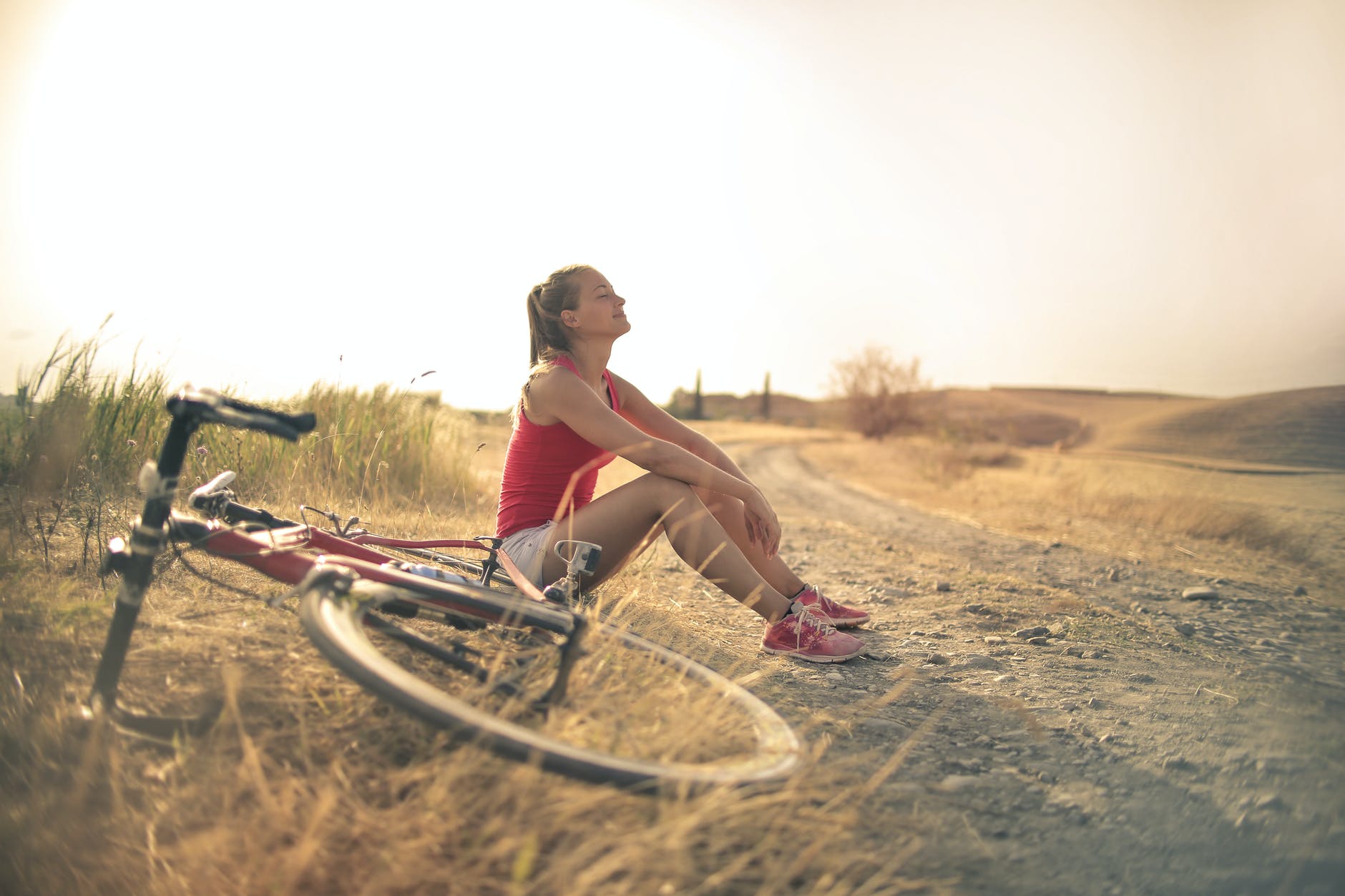
    Photo by Snapwire on Pexels.com

    Just think about the sheer number of photographers there are today compared to 50 years ago. And the number of good to great photographers has also increased dramatically in 50 years. Can we rise above the crowd? If so, how can we rise above? To rise above the crowd we have to photograph things in a way few photographic artists photograph them. Take a look at the multitude of photographs out there. The greatest number all look similar to one another. We don’t even have to invent new techniques. We can blaze a new trail or we can go back and study what was done before and find the style that preceded that is used little. A perfect example is clothing styles. An older style is revitalized with a slightly new twist.

    Much of our problem today is there are many more copycats than trailblazers. I’ve got my gear ready to blaze a new trail through the jungle of photography. This is a time to let our vision run wild and look for new ways to do what may have been done before. We have the tools, we have the knowledge, we have the passion.

  • What’s the best?

    What is the best [ insert name of a piece of gear ] for [ insert photographic activity ]? I see these questions asked every single day. Do you know what I rarely see? I rarely see the question asked what is the best way for me to learn. When you do see that question asked the vast majority of answers are based on watching YouTube videos. I have nothing against YouTube or video learning. There are some great videos on photographic subjects but is it the best way to learn? I don’t think so and I’ll explain why.

    Watching a video to teach photography my lighting conditions may be entirely different than those of the video. To me, it is like knowing the shutter speed, aperture, ISO, focal length used to take a photo. It only tells part of the equation. Knowing these things doesn’t tell me anything about lighting conditions. If it was cloudy, how cloudy, if it were sunny how sunny.

    Another issue is there is no interaction between the student and the instructor. What if I have a question? I could leave a comment, or send an email but will it be seen and replied to? If it is seen and replied to when, how long? Then what if I have a follow-up question?

    In my way of thinking, the why is just as important as the how. I’ve watched hundreds, if not thousands, of videos on photography and photography techniques and I rarely see the instructor talk about the why. The videos are primarily focused on the how.

    We all learn differently, but human interaction is a very important part of learning. The interaction of the teacher and student or mentor and mentee. I finished my photography classes years ago and was fortunate to have a very helpful instructor. I have also been fortunate to be surrounded by photography friends that are very good. The knowledge of good photography is more important than the gear. The best knowledge comes from a variety of sources which includes working side by side with a good or even better a great photographer.

  • The creativity challenge

    The creativity challenge

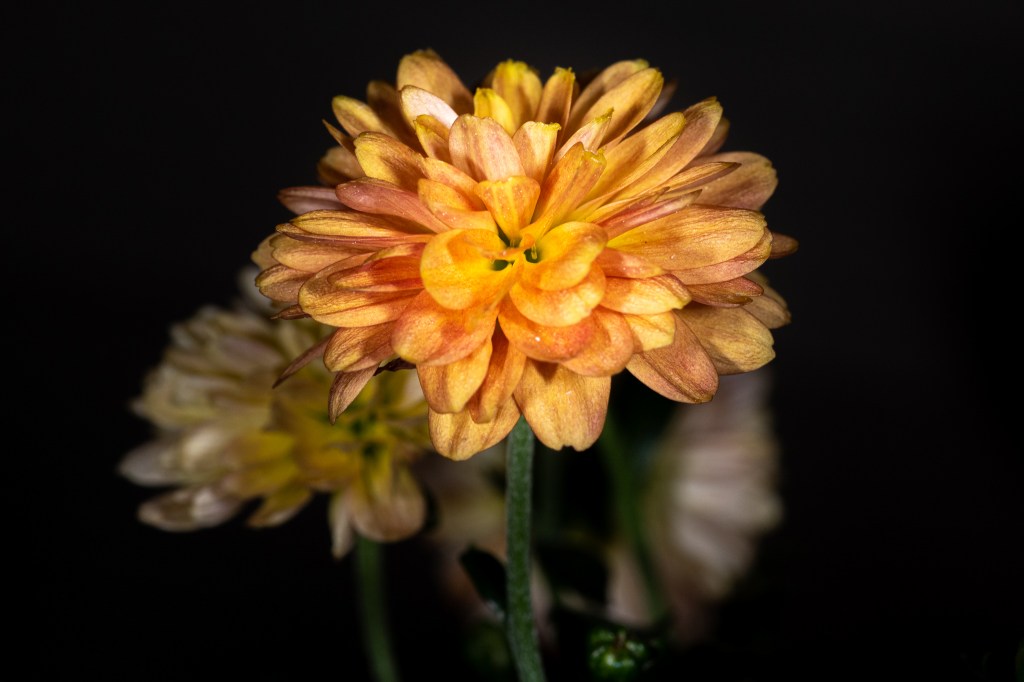
    The creativity challenge for my had become a struggle for me. I felt like I wasn’t able to come up with creative ideas. I started writing a blog several months ago with my daily thoughts. The blog entries as typically short and to the point. Since I have started on this site, this is my 89th post. Some days were difficult in getting something written but as time went along it became easier to get started. As you may tell from the image above, I am starting to do just as I have written about. I”m trying out some bizarre and different techniques. I also noticed last night as I was sitting watching a movie with my grandsons I came up with a photographic project to work on. I feel like I’m getting back in the creative groove. My inner muse is starting to awaken after a long rest.

    Awaken your inner muse. It may take some time and some effort but it can pay off. I’m no longer afraid of blazing a trail on the wild side of my photographic art.

  • Is photography really a metaphor

    Is photography really a metaphor

    A podcaster I listen to on a regular basis talked about a book by Minor White, Mirrors, Messages, Manifestations. His discussion led into photography may be a metaphor. Since listening to that podcast yesterdy, I have thought about this a bit. Merriam-Webster defines a metaphor as;  an object, activity, or idea that is used as a symbol of something else. To me, that is essentially what photograph is, a symbol of something else. It isn’t the object represented. If that is the case then in most photography, realism doesn’t matter. The photograph is merely a symbol. Reality, or as close to it as we can get is only critical in documentary photography. Everything else becomes open to artistic creativity.

    Having now come to this realization I finally have my arguement for creative expression of nearly all the photographs I will take. My work is a metaphor for this object represented in the image. I feel like I have been set free. Think about it. I believe it is hard to argue against photography as being a metaphor for the people, scenes, and objects we photograph.