As a photographer, it’s essential to always maintain your principles. Don’t compromise your values or artistic vision just to please others. Stay true to yourself and your unique style. Remember that photography is not just about capturing pretty pictures, it’s about telling a story and conveying emotions. So, don’t be afraid to take risks and experiment with new techniques. But always stay true to your principles and let them guide your creative process. This will make your work more meaningful and earn you respect and admiration from your audience.
I often observe photographers sharing their pictures on social media, particularly those capturing people, that appear to be nothing but a quick snapshot. It seems like they simply instruct the subject to stand in one spot and then snap the photo without any additional effort to create a compelling image. It’s as if the camera is set to auto mode and the photographer just goes through the motions.
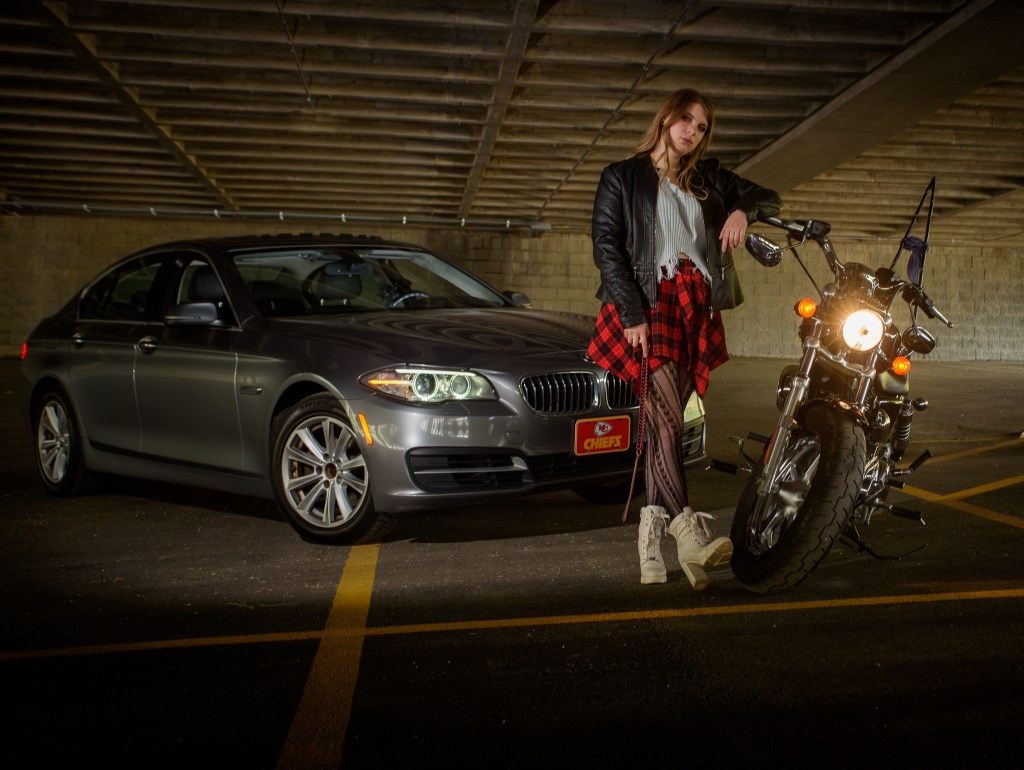
My aim as a photographer is to capture my subject in the most favorable light. To achieve this, I utilize all the resources at my disposal – analyzing the lighting, eliminating distractions, and highlighting my subject’s unique qualities that will captivate the viewer. As a photographer, part of your job may involve utilizing specialized software for digital or advanced darkroom techniques. It’s crucial to understand all aspects of photography to improve your skills and do justice to your subjects.
Photography is a powerful tool for capturing and creating art. With the ability to freeze a moment, photographers can capture the beauty of everyday life or create complex and thought-provoking images. Whether it is through the use of light, composition, or digital manipulation, photographers can create stunning works of art that can evoke emotion and inspire others. From landscapes to portraits, photography has the power to capture the essence of a moment and transform it into something truly extraordinary. Through a camera lens, the world becomes a canvas, and the possibilities for creating art are endless.
With the power of photography in mind it is essential to remember that not every photograph you take will be a masterpiece. Every photograph serves as both an accomplishment and a challenge to create another with the lessons and experience gained from the last.
There is an uproar among some photographers while others, like me, are calling the use of some new features in Photoshop game changers. I’ve talked about this briefly before but as time goes on and I get more accustomed to the new generative fill feature in Photoshop the more I am totally amazed. I’m able to resurrect photos I would have never found a use for previously. The photo above would be possible if I had the time to sit and wait for who knows how long to get to the sky and lack of people walking along the beach in a fairly busy tourist area. It may be more possible for me nowadays than it was at the time. I was on vacation, still had a job to return to, and had a limited amount of time to spend at this location. Some would argue that it isn’t reality, but it is reality in my mind. This is how I saw the scene at the time.
I don’t care what others say, I’m not necessarily about reality but about creating art and remembering my reality. Just like the saying goes, “Perception is often reality”. So friends, don’t worry about what others think of your artwork. Create, enjoy, and go where your imagination takes you. Use all the tools you can.
Change is inevitable. Budda teaches that nothing is permanent. Change will happen and we can either grow and change with it or we will eventually fade away. Change is often frightening, especially if we view the change as threatening to our livelihood or way of life. Currently, the hot topic in the photography and art world is the use of artificial intelligence to create, modify, or change elements in a work of art. I am on the side of having this technology available others are passionately against it and foresee this as the “beginning of the end”. In the recent past, it was a hotly debated topic that digital cameras would be the death of photography. While it is true that digital photography resulted in many newspapers eliminating their photography departments the real cause was, in my opinion, more than just digital photography. Print newspaper circulation was down, and digital versions were popular because the public was looking for instant news rather than a printed paper that was, at very least hours old. I see the use of A.I. tools as just that, another tool. Many tasks that took hours or days can now be achieved in a matter of seconds.
It may not be a popular opinion but we have a few options, accept advancements in technology and use them in an ethical manner, begin to provide a better product to compete with the new technology, or fade away.
I am choosing to ride this train of technology and hopefully guide it.
Today’s latest buzz and controversy in photography appears to be using artificial intelligence to manipulate photographs. Adobe Photoshop seems to be at the top of the list now with the introduction of a feature called “generative fill”. This feature allows the user to designate an area and have the program generate content to put into or remove from a photograph.
The entire concept of manipulating photographs is nothing new. One of the first and most likely best-known examples is Oscar Gustav Rejlander’s “Two Ways of Life” photograph in 1857. Yes, you read that correctly, 1857. The first permanent photograph was developed in 1826. By 1851, the process for creating photographic negatives was introduced and a mere 6 years later Oscar Gustav Rejlander created a huge composite photograph.
I’m almost certain that with every advancement in photography, there were questions about what was becoming of photography, especially when the art of compositing and retouching photographs began.
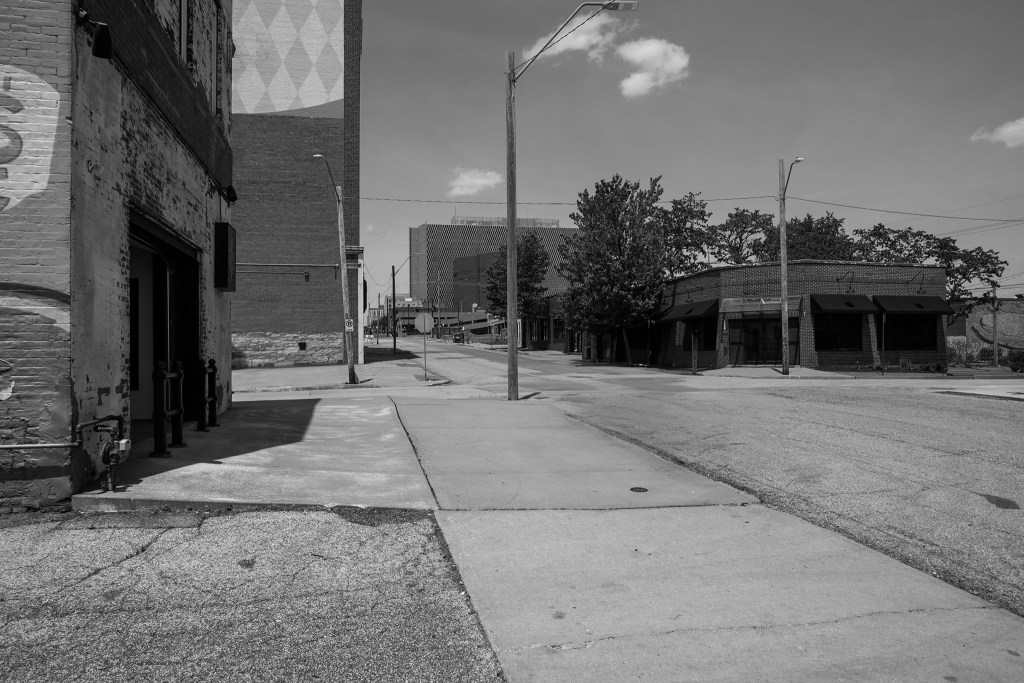
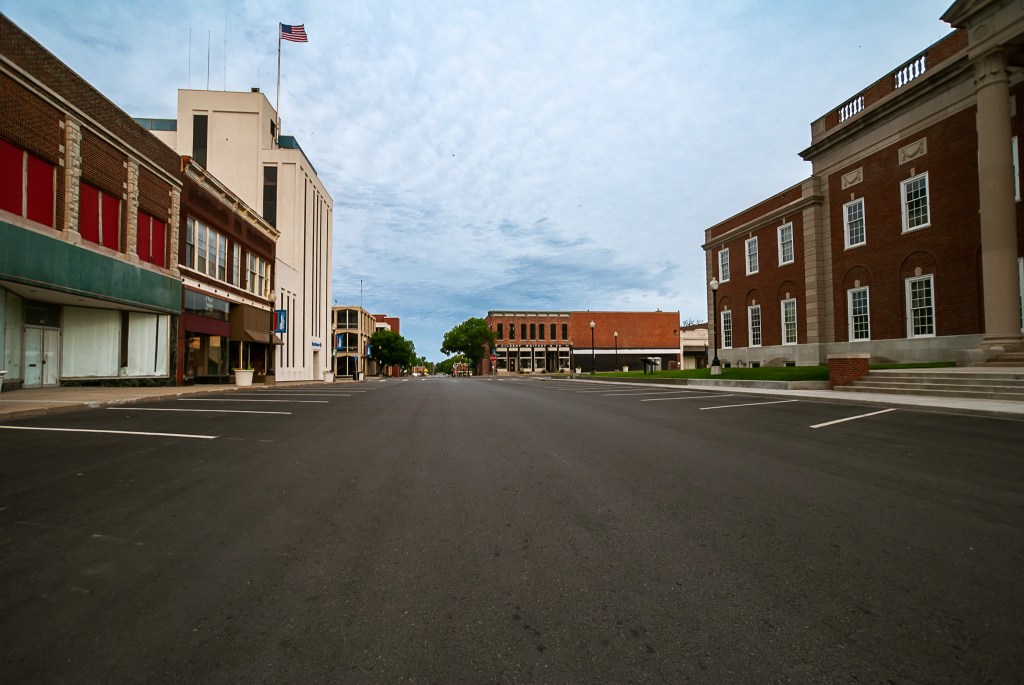
My featured photograph of the urban street is heavily manipulated with the removal of no less than 13 cars and trucks along with the removal of some signs. My photo isn’t intended to be a slice of reality. It is intended to portray an urban environment in a manner we are unused to. We often fear things that are viewed as change. I realize that change can be frightening. After all, change causes us to question what we have always known.
For me, this is a fantastic time to be a photographer and an artist. We have so many tools available to us to create fantastic works of art, all while we still have the “old ways” to create art. It isn’t the end of photography unless we make it so. The most incredible thing about today is whether you can use technology or not. You can use bits and pieces of technology and not use other parts. Don’t let the fear of new tools and features control you or your idea of art and photography. In fact, I suggest embracing it. You don’t have to go all in but let’s not bash something until we see where it takes us. After all digital photography was predicted to be the death of film but all these years later film lives on.
I took this photograph at 6:58 AM on a Sunday morning. There is no Photoshop magic to remove cars from the scene. This street was totally free of cars and people on that day at that time. Within a couple of hours that all changed.
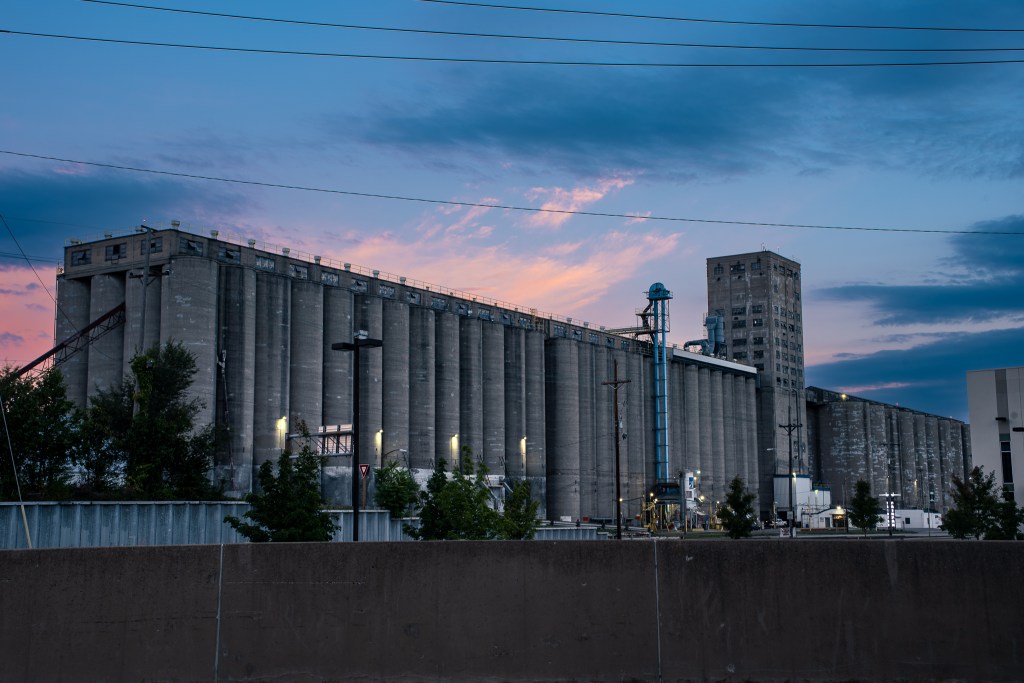
This was taken at 6:57 AM on a Saturday morning.
Often to get the dramatic sky or few people and cars you have to get up early and get out there. If you’re like me you have to have your morning coffee. In many of these cases, it is a grab-and-go. It often doesn’t work for sunsets in many of these locations as there may still be crowds of cars and people. Sure we can do our post-processing magic and remove people and things but it is sometimes rewarding, at least to me, to be out there and enjoy the scene during a quiet time.
I’ve been a bit remiss of late and have slept in or had my coffee sitting on my patio watching the sun come up. Maybe it is about time to get out early again and grab some sensational sunrises.
I’m sitting here at my computer this morning without coffee, for that matter without anything to eat or drink, looking at the screen with only one eye and discovering how challenging it must be for some people with a permanent disability. While my setback visually is temporary for others it is every day. To those of you who work to overcome permanent disabilities, I salute you.
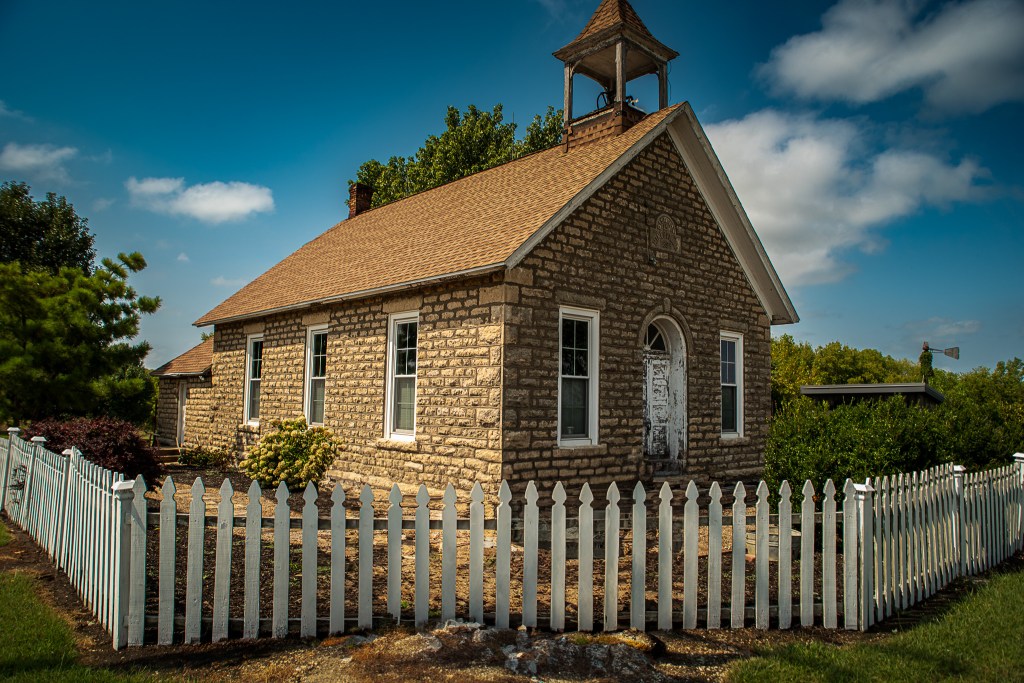
Now for the progress. The featured photograph is one that I thought I would never use. The original had a huge sign in front of the picket fence with the name of the school and when it was built. It was not a good-looking sign. In fact, it was hideous. While we have had the capability to remove such things for a long time using Photoshop it wasn’t until recently the task became easier and faster. What would have previously taken a considerable amount of time, at least to make it look decent, has been reduced to a matter of seconds. In a current public beta release of Photoshop, there is a feature called generative fill. Generative fill has caused a bit of controversy for many because it uses artificial intelligence and stock photographs to help determine how to fill in an area.
I’m not sure where this whole generative fill will go since I’m not in that “need to know” loop but I see features like that becoming a huge benefit to photographers, especially those of us who are focused more on the creation of art rather than recording reality.
I adopted the mindset that it isn’t art merely because I said so. I believe our audience determines if a piece of work rises to the level of art. To me, one of the best definitions of art is; “a visual object or experience consciously created through an expression of skill or imagination” There certainly is a variety of methods and techniques even through photography to achieve this level of artistic expression. Even then, we can miss the mark.
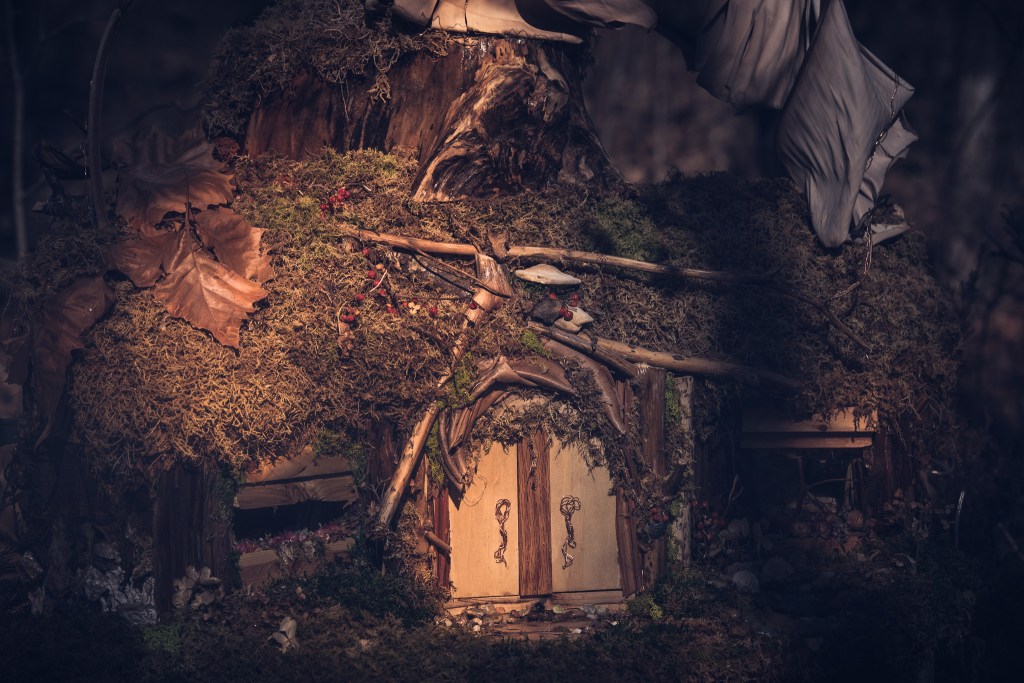
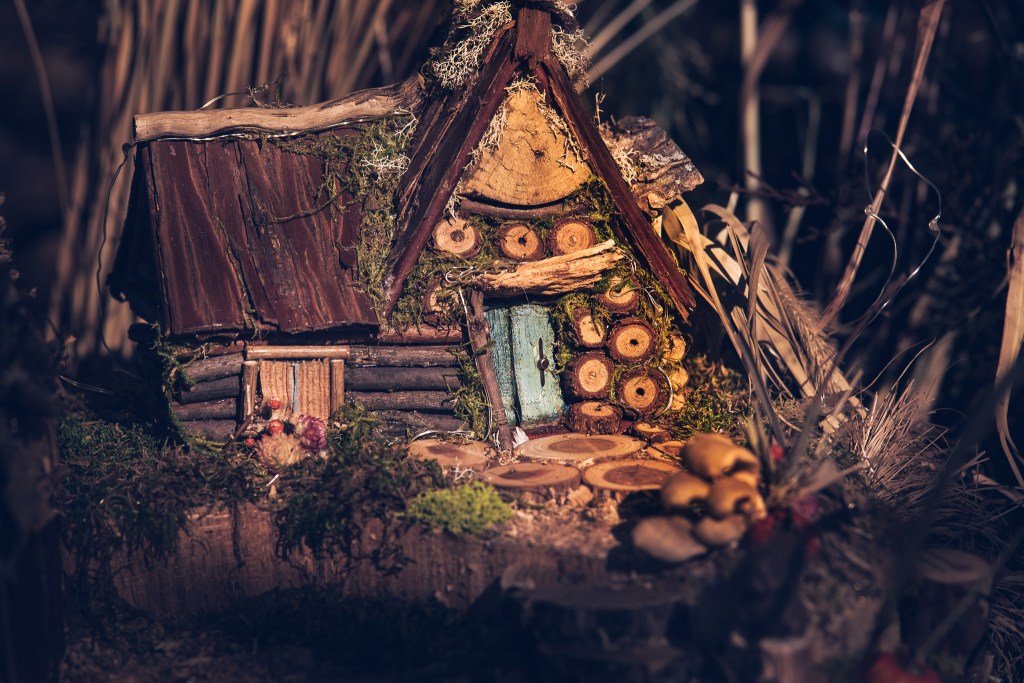
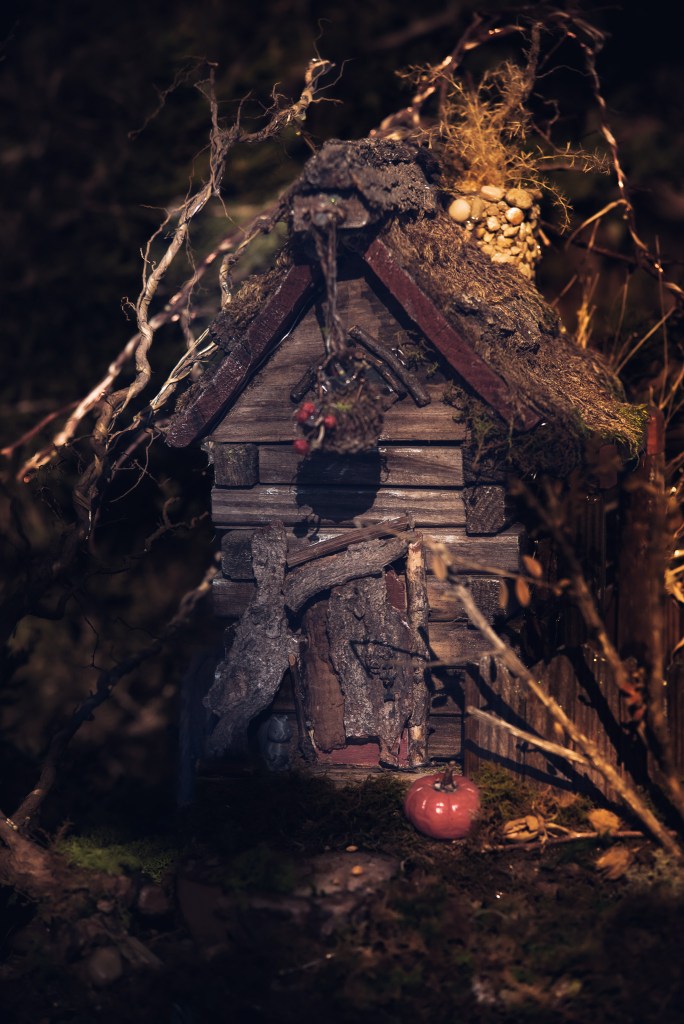
A while back I visited a local botanical garden. At the time, the garden displayed fairy houses created by artists in the area. All the fairy houses were fantastic works of art. Meticulously created with each element consciously added to create a scene. The problem I had when I visited with my camera was to record them in such a way that they expressed their story. The lighting was harsh often creating vast contrasts of light and dark. On top of that, because they were small in size and their placement for visitors to see them the scene was easily determined to be unrealistic. In fact, I have had these images for two years and never found a use for them.
I always had the capability to create something that expressed the story of the houses as I envisioned. I continued to miss the vision to bring the stories out.
I haven’t always revisited older photographs to look at creating something from what I thought was a failure. That may be changing for me. Always look to create something rather than merely record something.
What have we become? I mean both photographers and photography clients. Today, we take hundreds of photographs in a single outing, or in the case of wedding photographers, thousands at a single wedding. I read an article recently that said the average number of photos taken at a wedding is between 2,000 and 3,000. I use a 32 GB memory card on one of my cameras and an 8 GB on another. Shooting raw files means I can get 586 on the 32 GB card and 296 on the 8 GB card based on the estimated file sizes of each camera. I also read in another article a wedding photographer says they shoot an average of 4,000 photos per wedding. Let’s just think about those numbers for a moment.
If I spent 10 seconds reviewing photographs it would take just over 8 hours to glean 3,000 photographs. That isn’t doing anything with them except reviewing them to ensure they are acceptable. If I kept 2,000 photographs out of 3,000 and spent 5 minutes per photo editing it would take over 166 hours to complete the task! I’ve seen photographers charging $1,000 for a “full day”. Just doing basic math, I’m making less than minimum wage without calculating my expenses!
I’ll have to admit, I’m just about as bad. Last week I went on a photo shoot just for fun. I spent about 4 hours taking photographs and walked away with 296 photos of which I believe 74 were acceptable. Out of the 74 I used 18. Have we become photography machine gunners or are we just in a world where more is better?


 Photographer Clay