I often miss nighttime photography. In recent years it has become increasingly difficult for me to do much of it. It is mostly due to my schedule. I have to be at work very early in the morning so I end up going to bed very early. Often in the summertime, it is before it is really dark outside. Another challenge is finding photo buddies to go out with because there are often unsavory types out during the darkness.
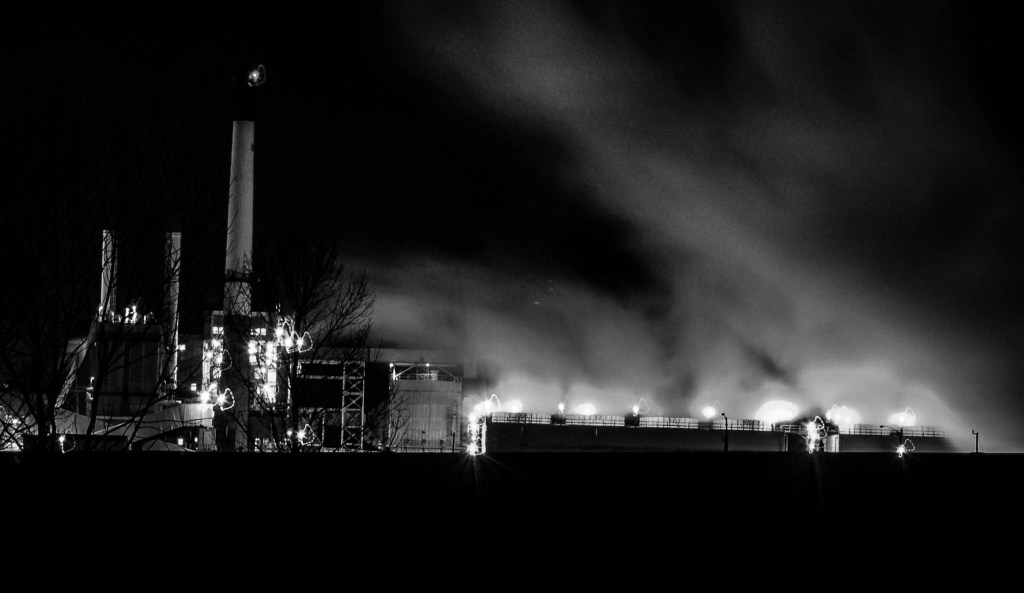
One of the reasons I love nighttime photography is the dramatic light.
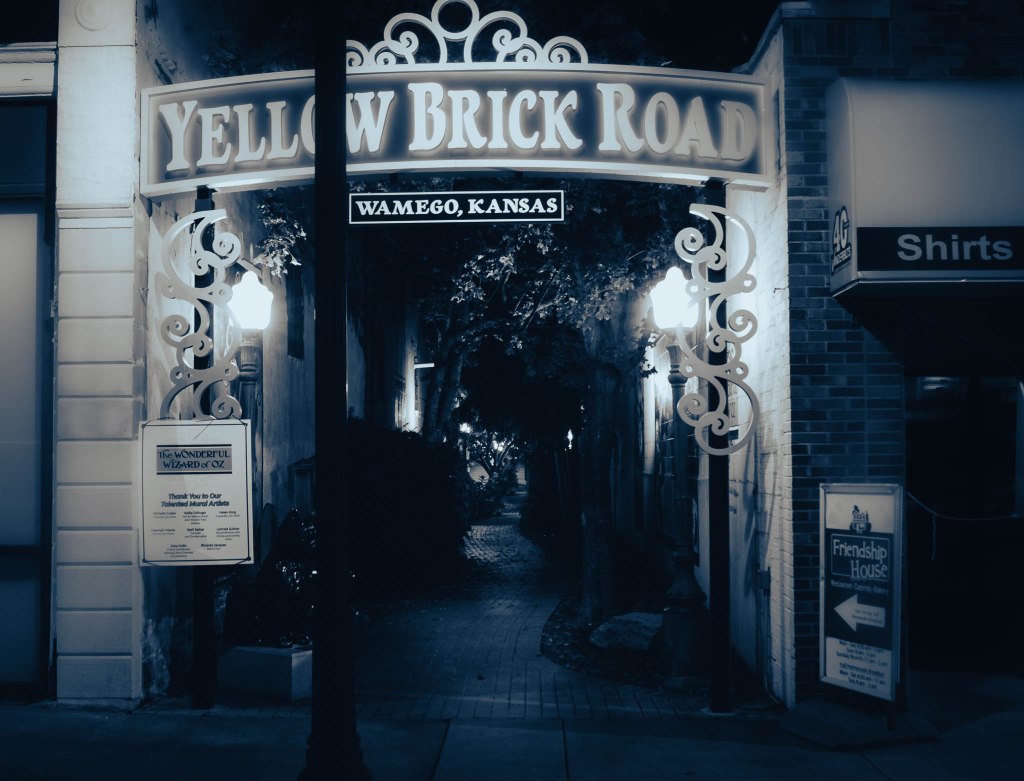
Scenes that appear ordinary during the day become mysterious at night. One of my goals for the near future is to get back into nighttime photography.
Especially when it is late at night the quiet adds to the mysterious feel of the area leading me to some creative ideas.
Yesterday, I read a story about a current well-known “big name” photographer who took the portrait of a recently appointed U.S. Supreme Court justice. The article covered how many people were critical of how the portraits turned out. There were many who thought the portraits were poorly lit. Mind you, this well-known photographer is often known for their ability to light subjects. This got me to thinking that just because a professional took a photograph doesn’t mean that it is good.
A professional means they earn their living doing a particular thing, not that they are good. We have come to believe that a professional means the level of their work is better than that of a non-professional. Even the dictionary is confused by the term amateur which defines the term as; “a person who engages in a pursuit, especially a sport, on an unpaid rather than a professional basis” and “a person who is incompetent or inept at a particular activity”. The word amateur was defined as “one who has a taste for some art, study, or pursuit but does not practice it,” in the past. Through time, we have come to associate the word amateur to mean something that is not as good.
I recently joined a photography club. The club is filled with people who have fine art degrees and vast amounts of experience, often as photographers or in photography-related areas. While their work is wonderful it isn’t necessarily better than my work or work I’ve seen others with much less education and experience.
I can say that I don’t follow many modern-day professional or “well-known” photographers. Why? I don’t follow many of them because I don’t think that it properly influences my creative vision. Like Admiral Akbar said in the movie Star Wars Return of the Jedi, “It’s a trap”. It’s a trap to become overly influenced by well-known photographers. Many haven’t progressed their work or updated their styles in years. Many of those I see attained a particular level and are now just coasting along on their “name”. My theory is “always seek to improve and change”.
My greatest photography challenge is myself. It isn’t a lack of creativity, it isn’t a lack of inspiration, but often it is a lack of motivation. Lately, I can find a thousand and one things that draw my attention away. Yesterday, I was totally remiss and didn’t write a blog entry. Besides going to work at my so-called “9-5” I came home sat down and just vegetated. My excuse? Well, this month we had our young grandsons (5 and 7-year-olds) every weekend and then for 8 days. While I loved the time with them I must admit I’m not used to all the activities. While this may be an “excuse” for this month I’ve found other reasons prior.
I don’t mean that I don’t do photographic things, I just haven’t taken many “new” photographs. It’s too hot, it’s too cold, I’m too tired, or any other little “excuse”. So, my challenge to myself this week is to take some damn pictures. The procrastination must end. (Just a little kick in the seat of the pants to me). If you have had this same problem lately, join me in getting something done. It doesn’t have to be fancy or complex. A simple still-life or snapshot of a bird, squirrel, or flower in your own yard.
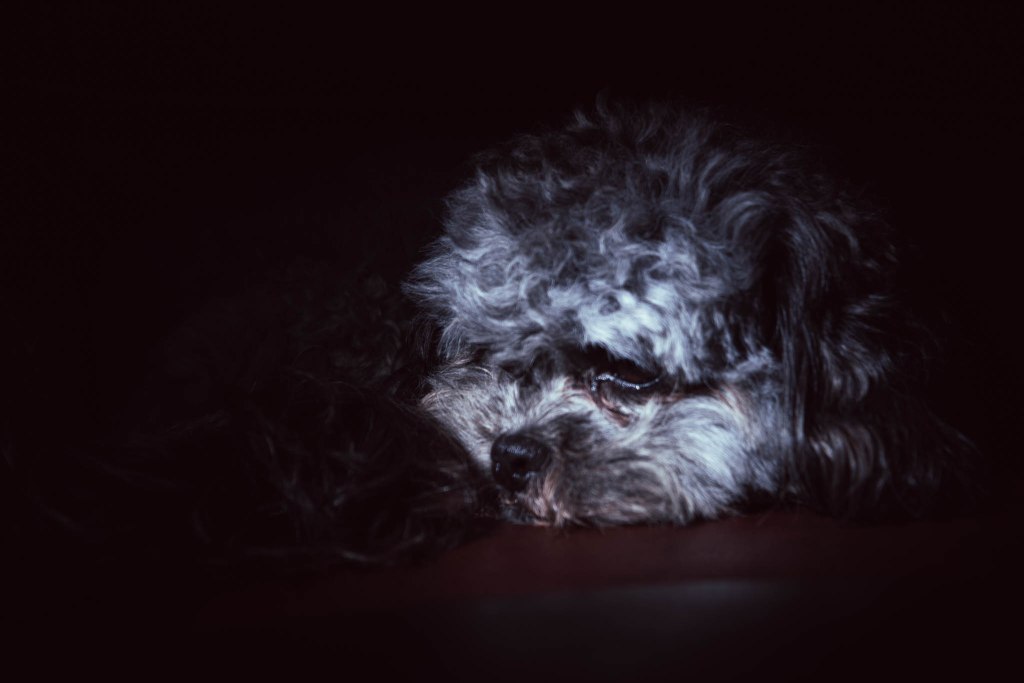
I’ve been a bit remiss in this area lately. I’ve done some things but it seems as if a friend has prompted me to get creative. In the past, I challenged myself in creative ways by trying new techniques, lighting, camera angles, and such. I’m not entirely sure how I got here and I can probably come up with dozens of reasons I haven’t challenged myself or, for that matter, done much photographically. Truly, I have little real reason to not challenge myself. In fact, if I want to work on portrait lighting I have a couple of models in the same house.
The challenge it just getting started. For me, it is something like a fitness program. The hardest part is getting started. Once I get going it becomes easier. All that said, the photographic fitness program begins today. Challenge yourself this week, try something new or different.
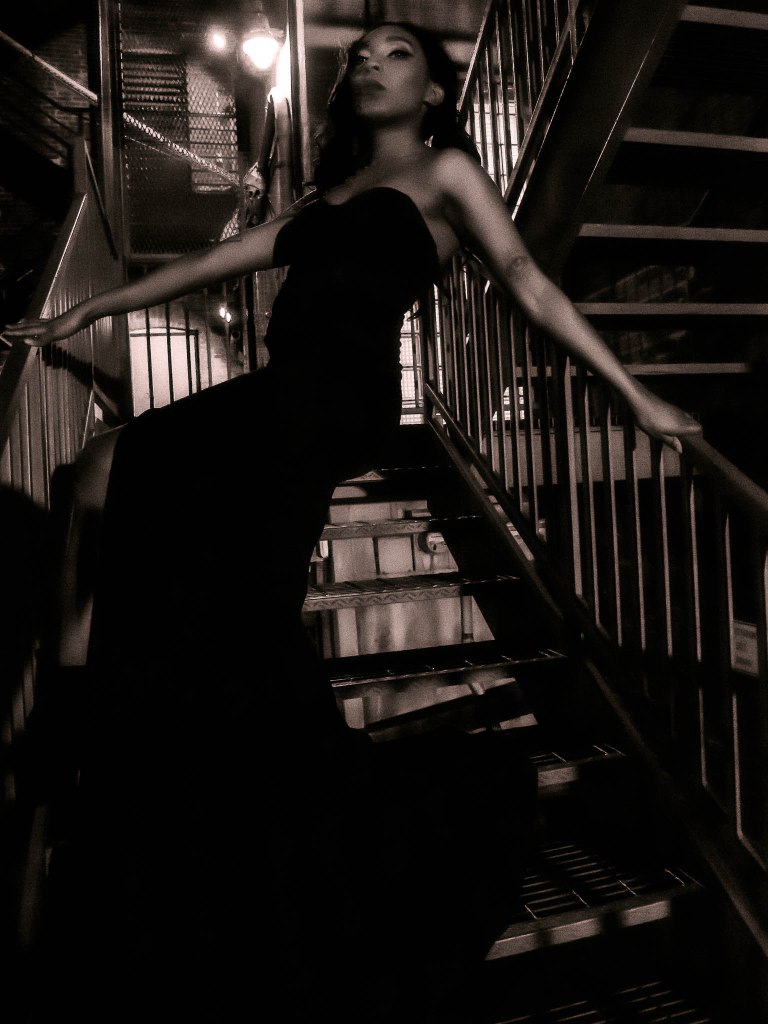
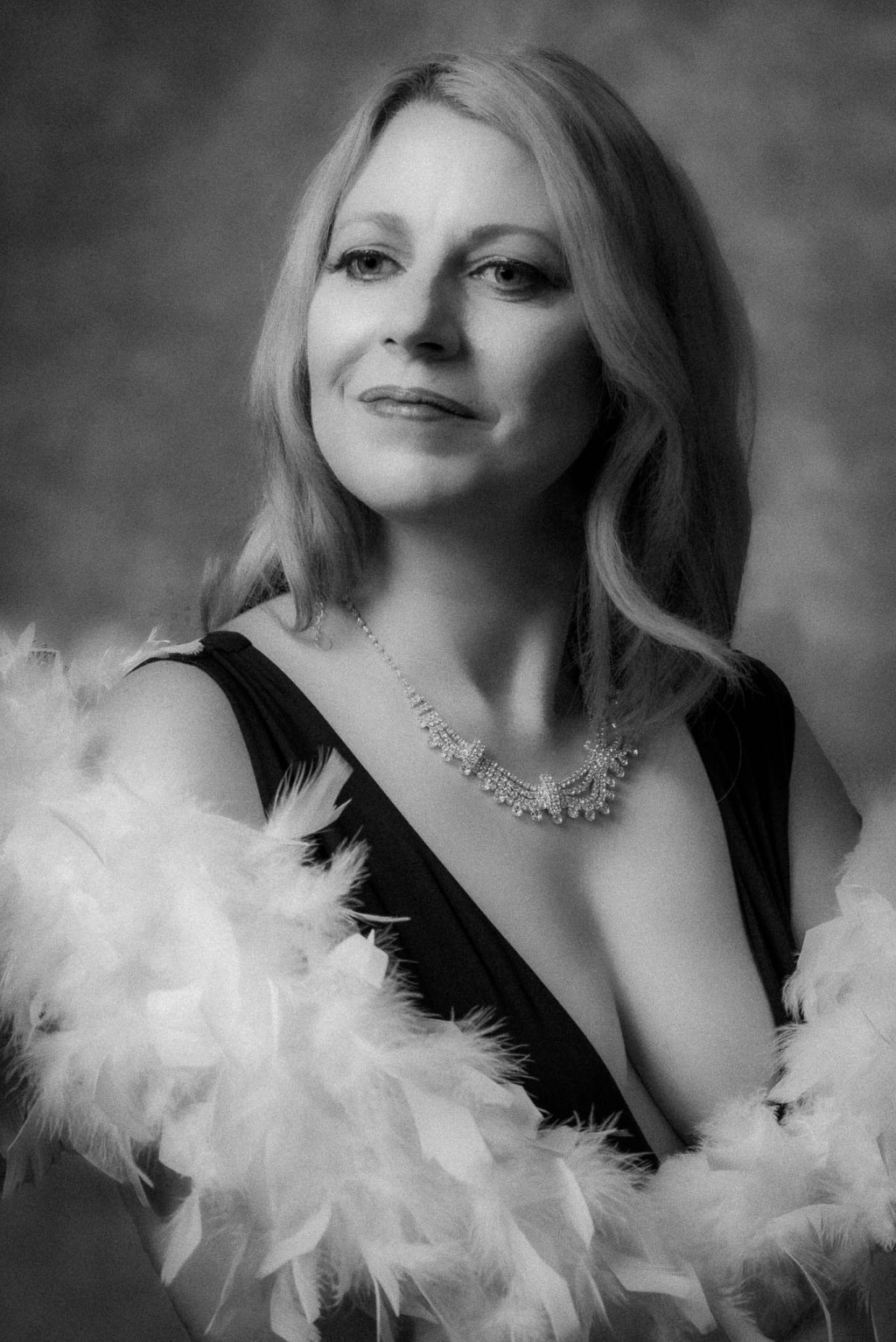
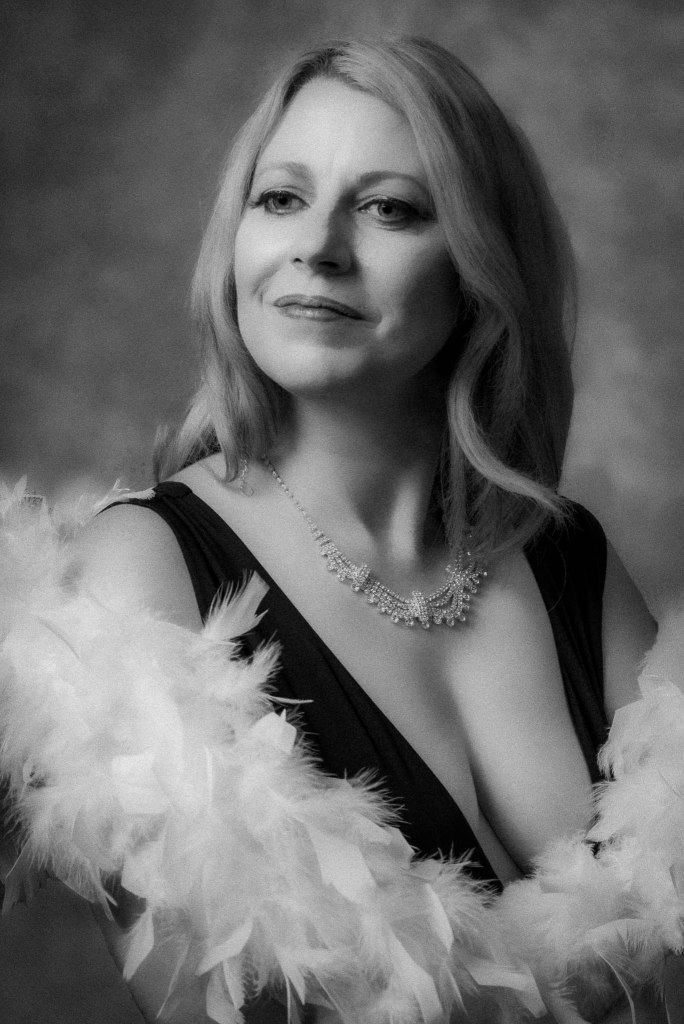
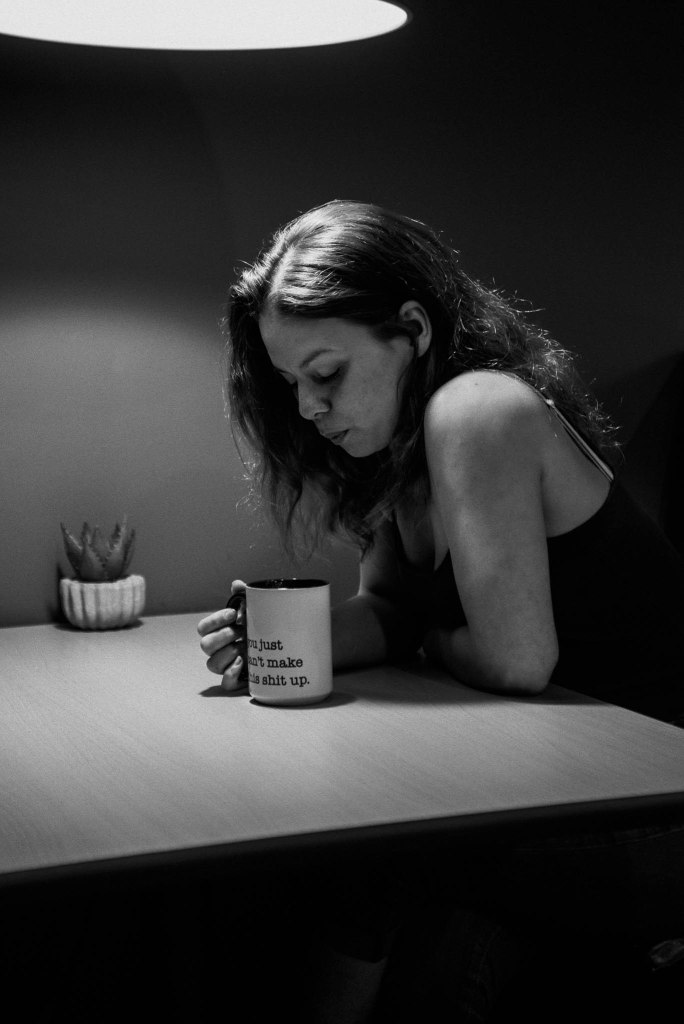
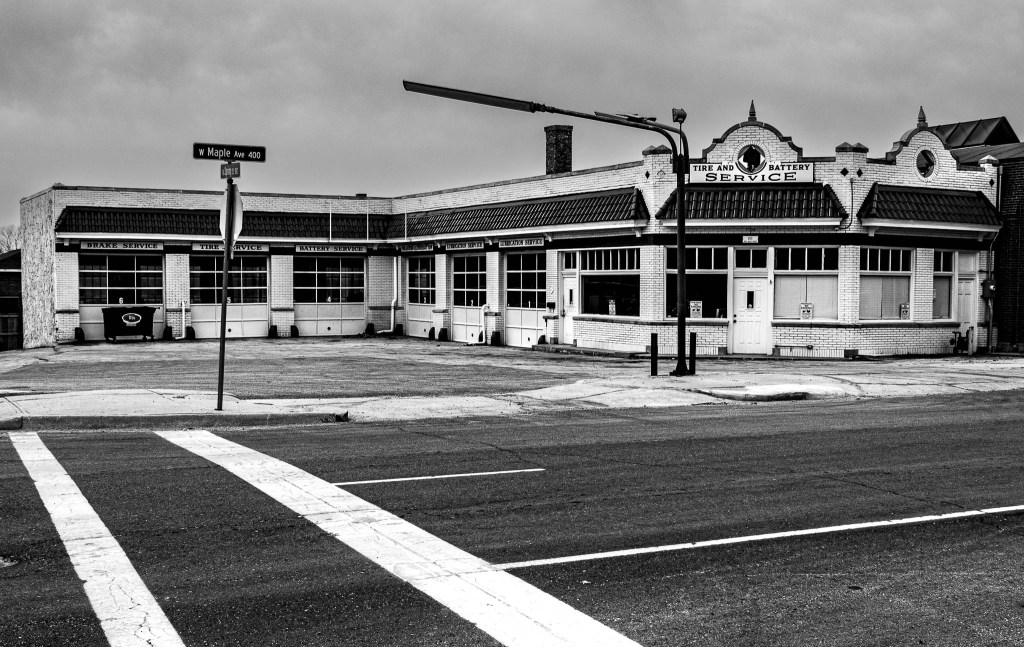
An inspirational source is black and white movies. Typically those from the mid-1940s through the 1950s. To me, this black and white film era showed the work of true lighting masters. The work of the gaffers, grips and best boys was phenomenal. This always keeps me inspired to utilize lighting equipment and light modifiers when doing portrait work. Yes, even in daylight.
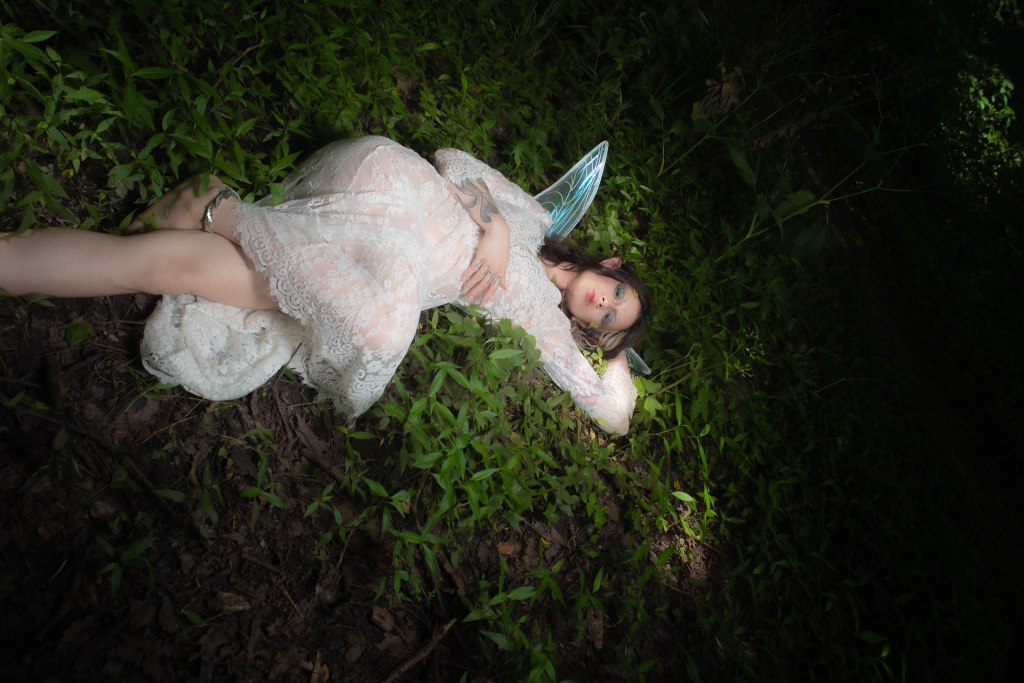
Even though my woodland fairy isn’t black and white and was shot near midday I set up lighting to give it the look I envisioned.
When I watch movies, especially those from the 1940s through the 1950s I pay special attention to the lighting. Many modern movies with color grading and highly specialized lighting equipment are beginning to influence me as well.
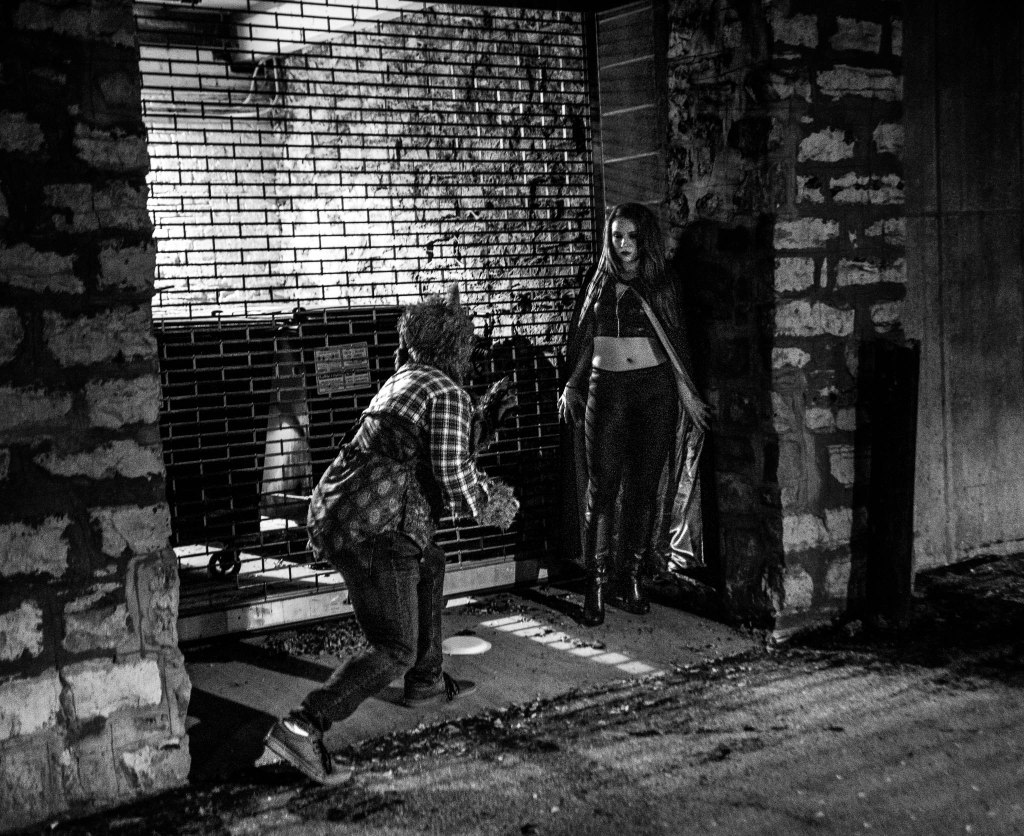
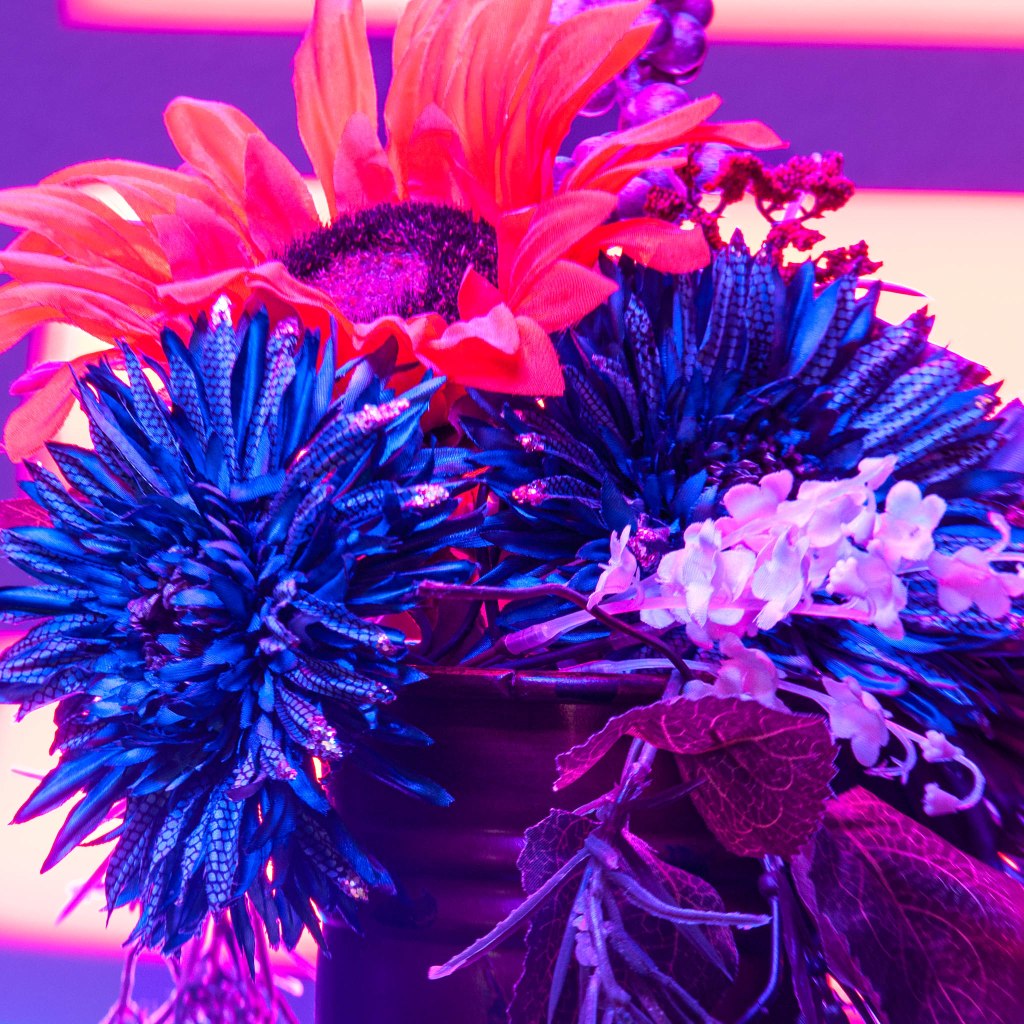
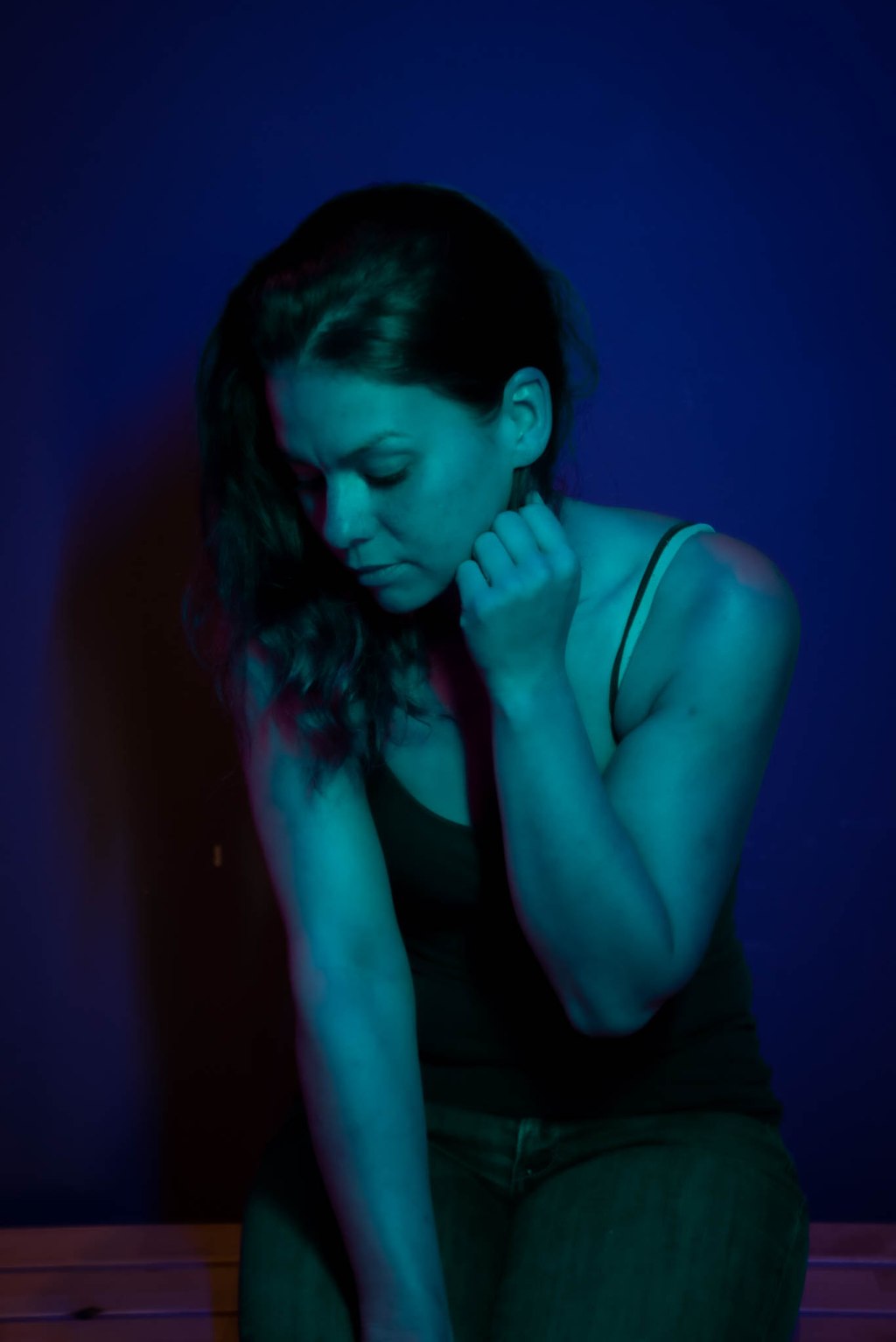
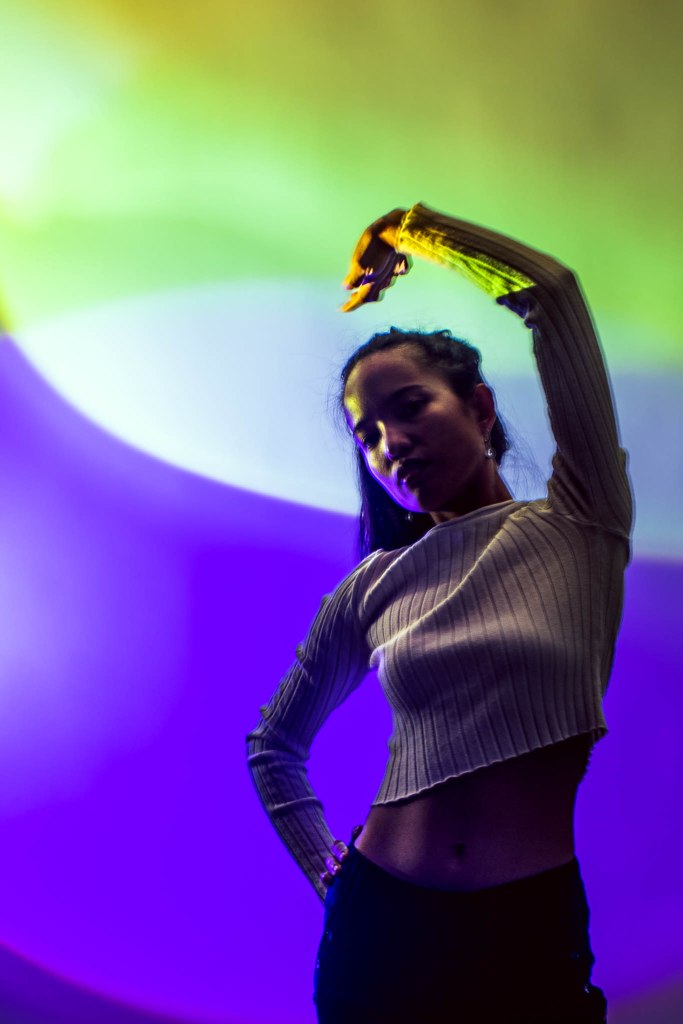
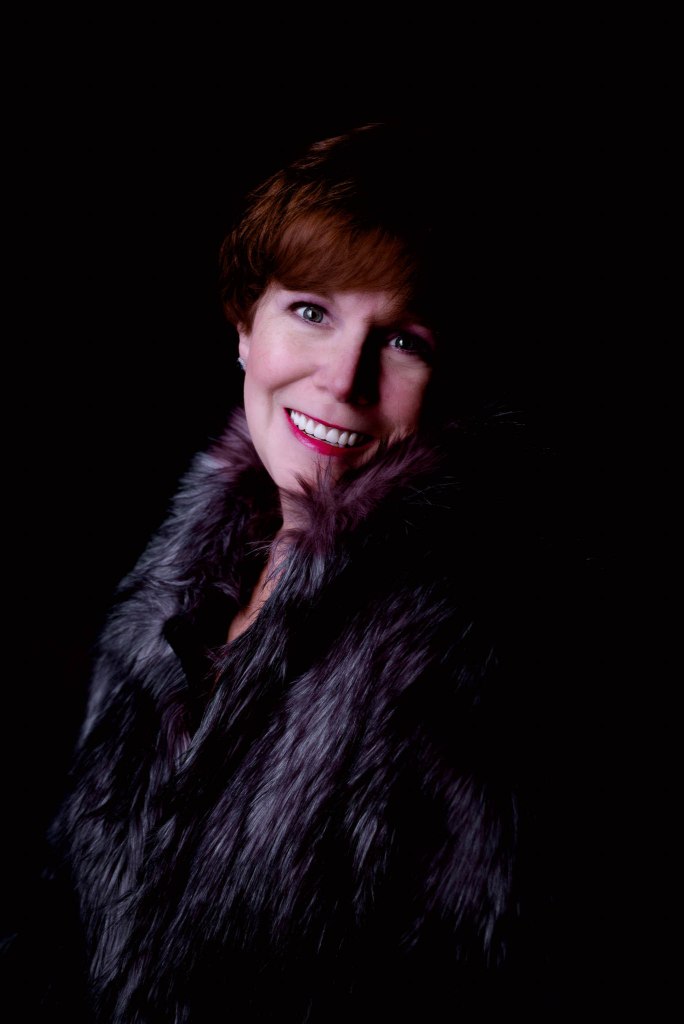
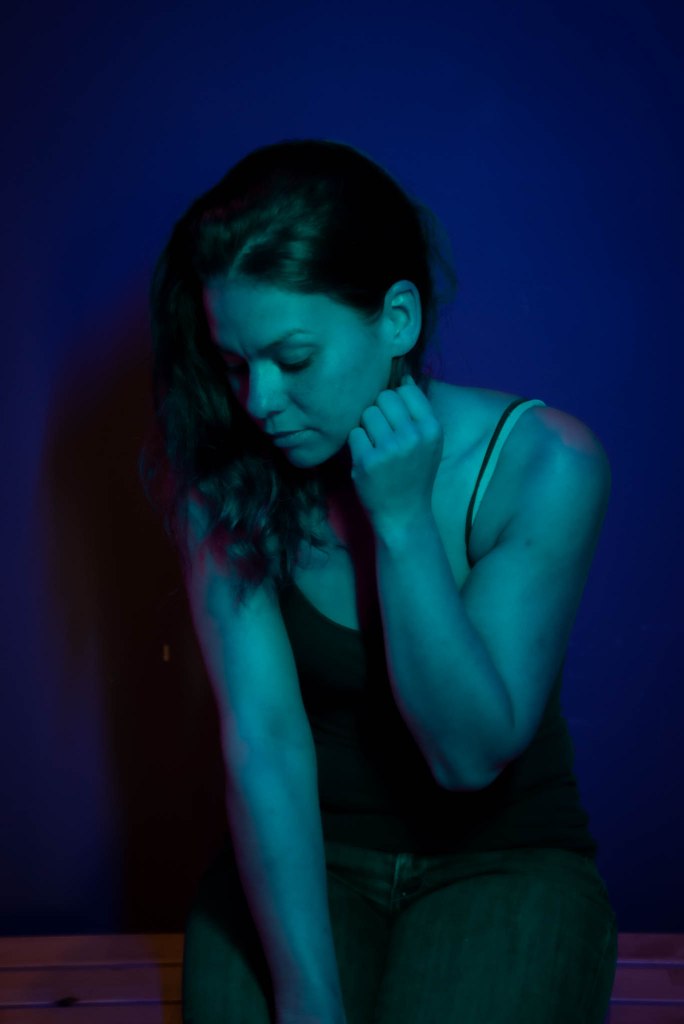
In each of the photographs, I have included in this post the lighting was very intentionally created. They all used light modifiers and supplemental lights.
The blues
Lighting does as much to create a mood or emotion as does the model. For me, to truly become creative it is important to learn to control the light.
Begin by paying close attention to the lighting and camera angles in movies.
Yesterday, I read a social media post on a well-known photography store asking followers what their what was the dream photography location. As you can imagine the vast majority were the iconic locations. Yosemite, Iceland, Patagonia, Antarctic, and so forth. This got me to thinking, all those are awesome places and I’d love to photograph them but are any my dream locations. My answer was no. I’m not sure of my dream location but I am pondering it as a result of the question.
My dream location isn’t going to be the iconic area that has been photographed ad nauseam.
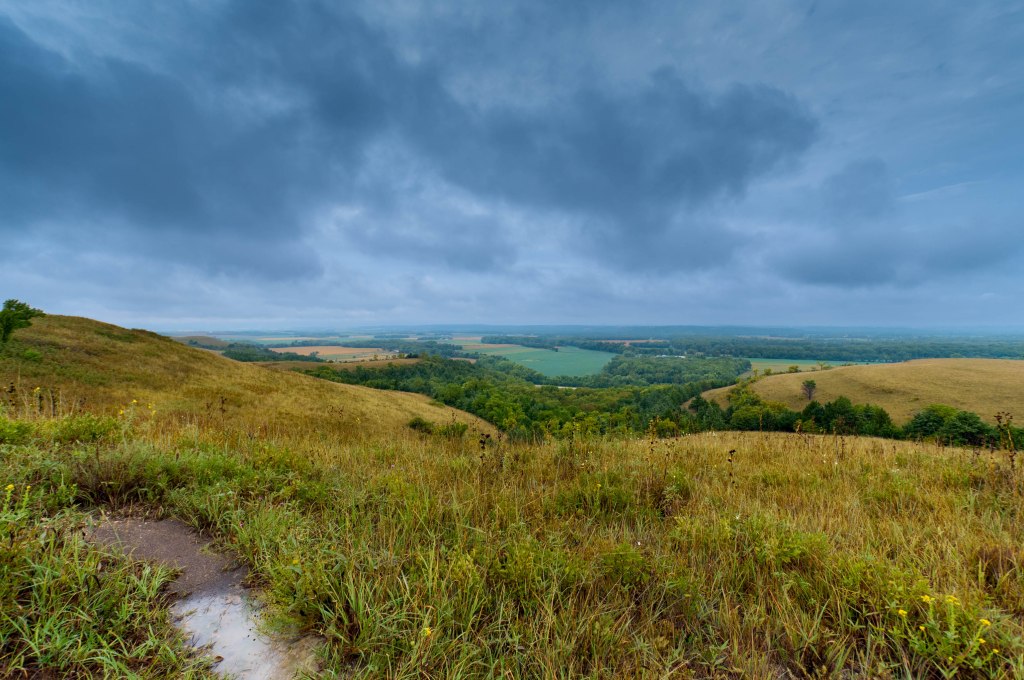
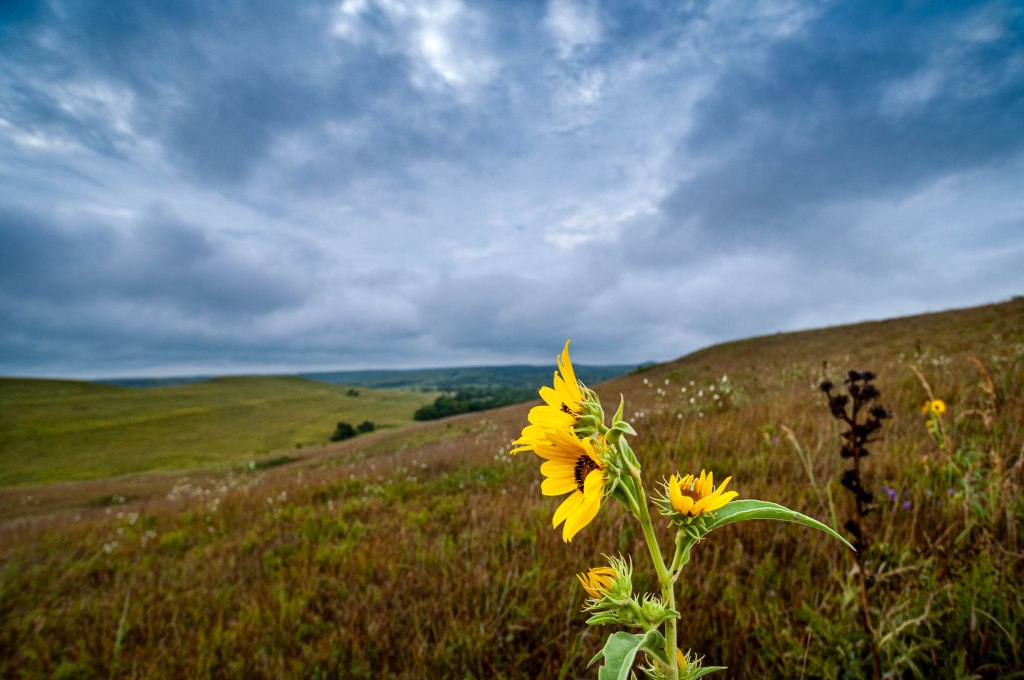
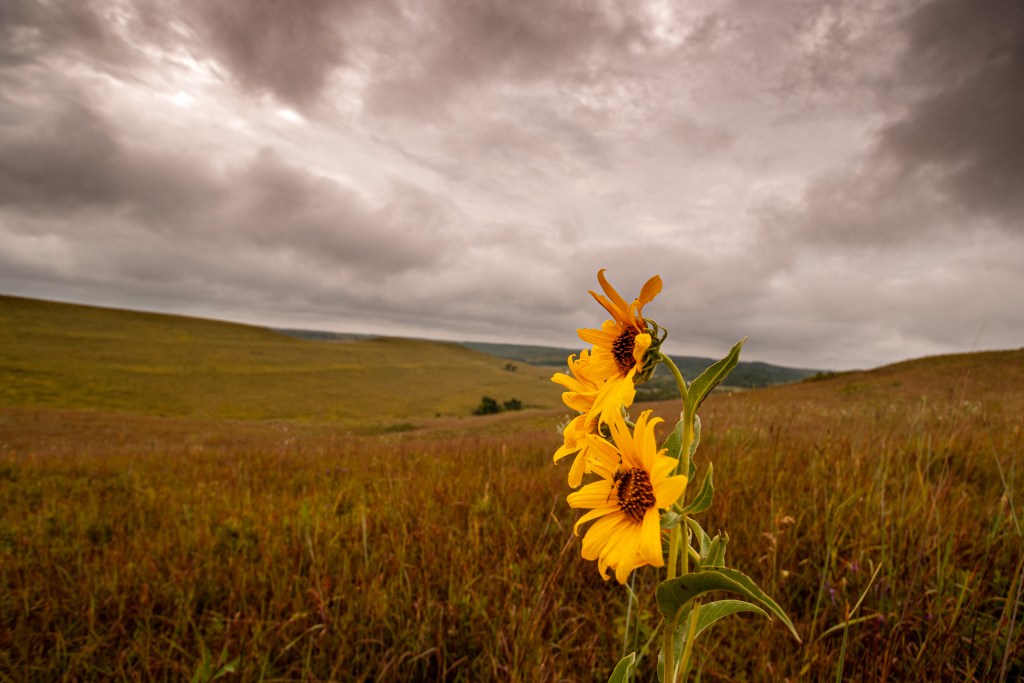
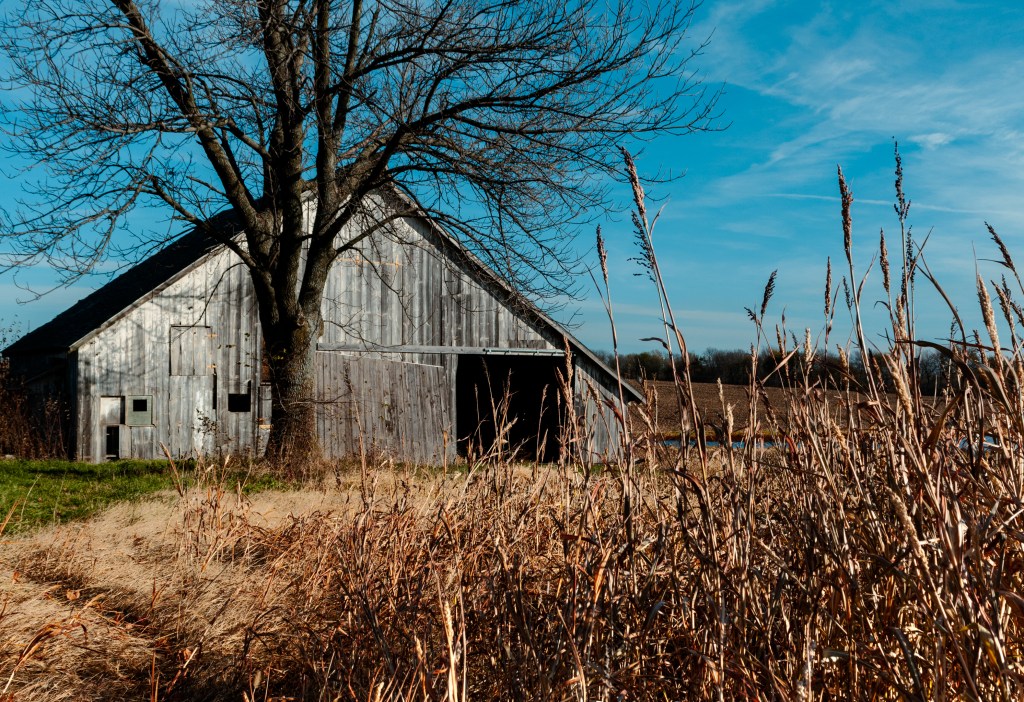
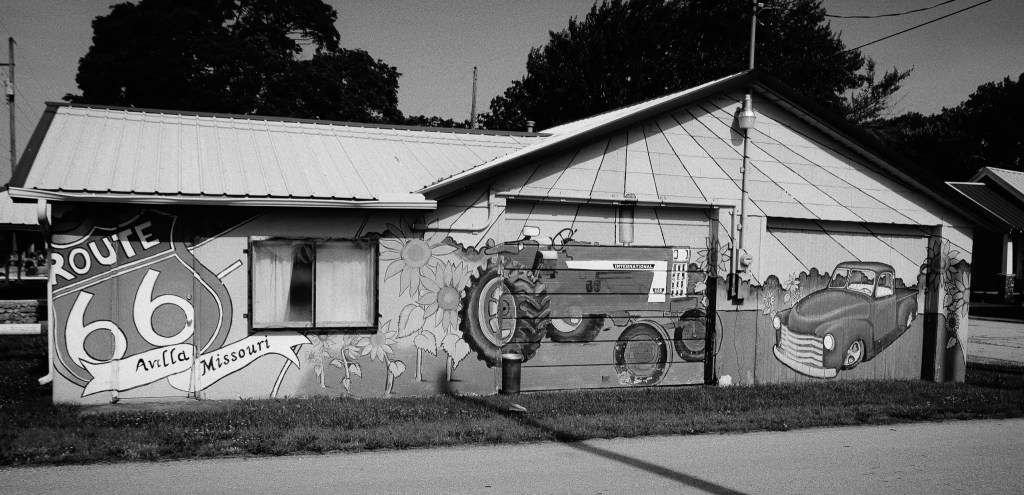
What about the back roads of Kansas, Missouri, or Nebraska? We rarely see the landscapes of those areas. We see loads of Yosemite, mountains, waterfalls, the ocean. We see lots of locations of what many of us think of as exotic.
All of this reminds me of a couple of trips. One my wife and I went to visit our son when he was stationed at Camp Lejeune. We were going to the beach one day. The bartender at the hotel where we were staying said she hadn’t been to the beach in years. The beach was only a mile away from our hotel. Then the time in Colorado where my wife was admiring a view of the mountains and the local said, “yeah it’s always there.”
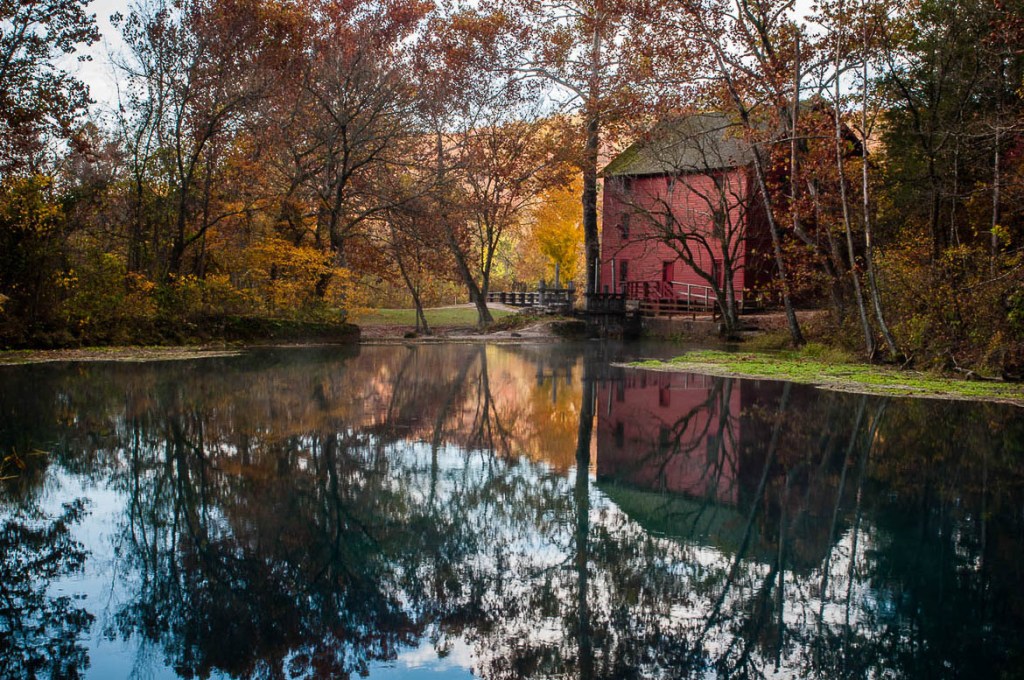
My dream location is maybe my local area with time to spend just cruising the backroads finding what I can find.
One of the things I think about often is growing as an photographer. I frequently ask myself could you have created the same photograph 5 years ago? If I find myself saying yes I may not be growing as a photographer. Yesterday I heard a podcaster mention that some of the most iconic work from the masters of photography were created when they were over 50 or 60 years old.
Maybe there is still hope for me. August has been a very busy month for me with little opportunity to do photography things.
When planning or thinking about photography trips and locations we often think about going to the cliché locations. Places that have been photographed ad nauseam. Often we think of creating a copy of something someone else did before us. I’m in a mode of thinking about some of these types of trips and I am leaning more towards the lesser known places to create work that is more original.
This post is going to be somewhat of an announcement and somewhat of a roadmap for myself. In a bit over 5 months, I’m re-retiring. Not from photography or blog writing but from working a “9-5”. The last time I retired was in 2011. During the time I was retired from working I took loads of photographs and even some photography trips.
I’m currently working out logistics in my head of where I want to visit for my first photography trip. It doesn’t have to be far. While many may not believe there are many aesthetic places in Kansas and Missouri I would also argue that “you’re just not seeing, you’re only looking”. Even though I may be “getting older” (I really don’t feel like it) I believe my photography is just getting started and with more time to dedicate to my photography and writing, I can’t even imagine where I will be a year from now.
During these next 5 months or so I’m working on getting some skills honed, and sites set up (including this blog which I plan to expand). I want to include you all in my next adventure so I decided to give you a “heads up” to prepare to follow along with my adventures.
I can art but that doesn’t mean I can envision art. It is much easier to photograph something or someone that already aesthetically looking. The true artist can see the aesthetic value of many ordinary everyday subjects. It is our vision to bring out the beauty in the ordinary. Look don’t just see.

 Photographer Clay