Tag: Photographer

I’m a photographer

  • How to miss a photograph

    How to miss a photograph

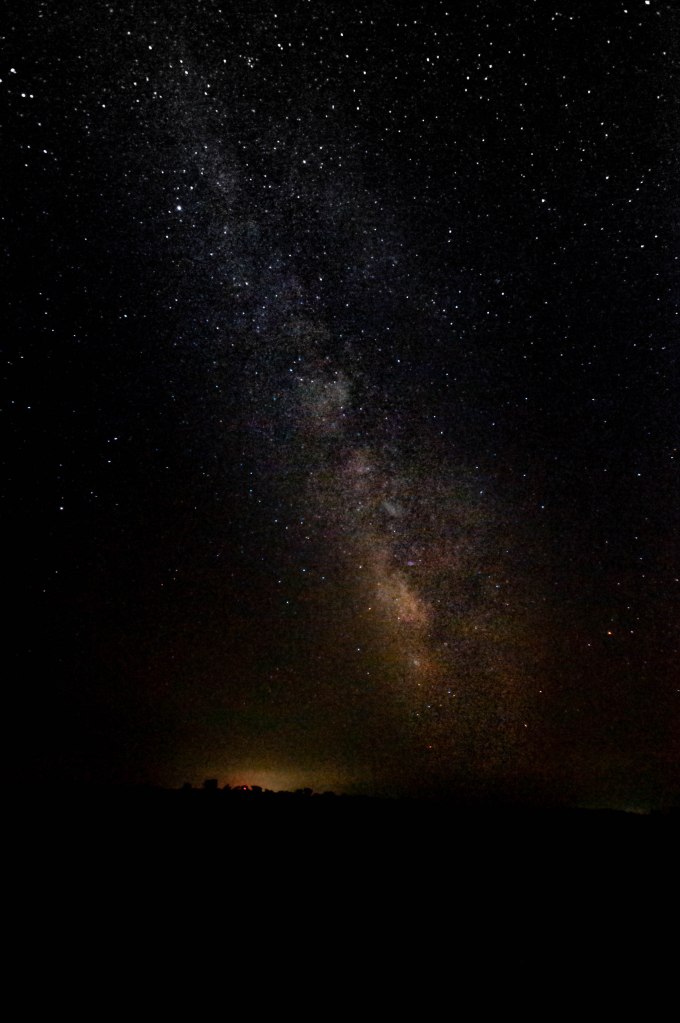
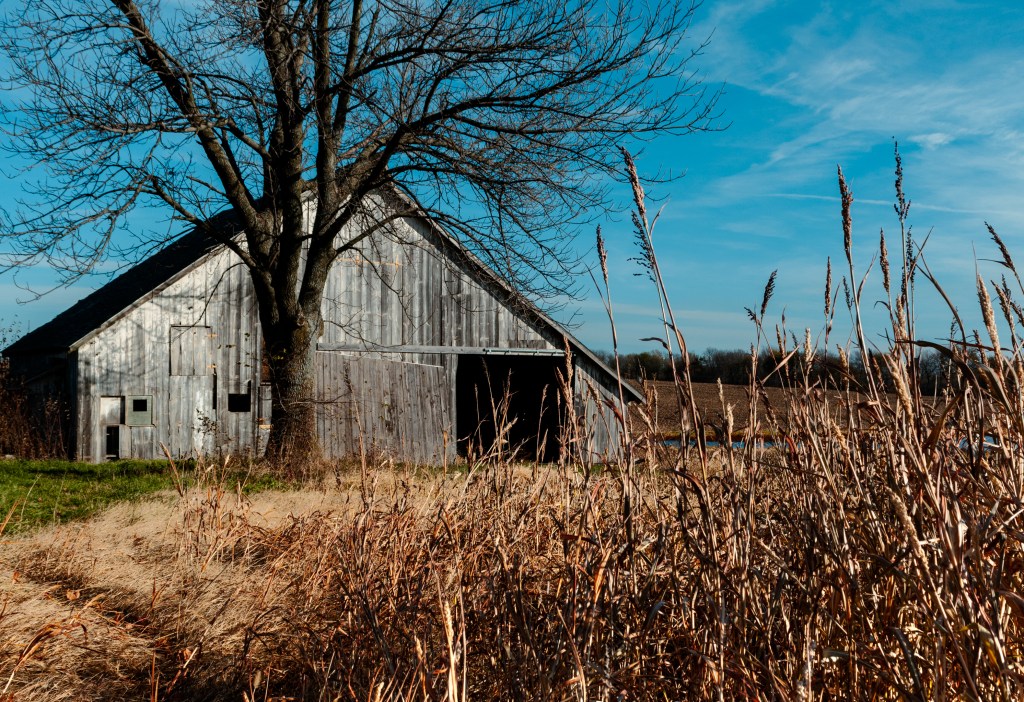
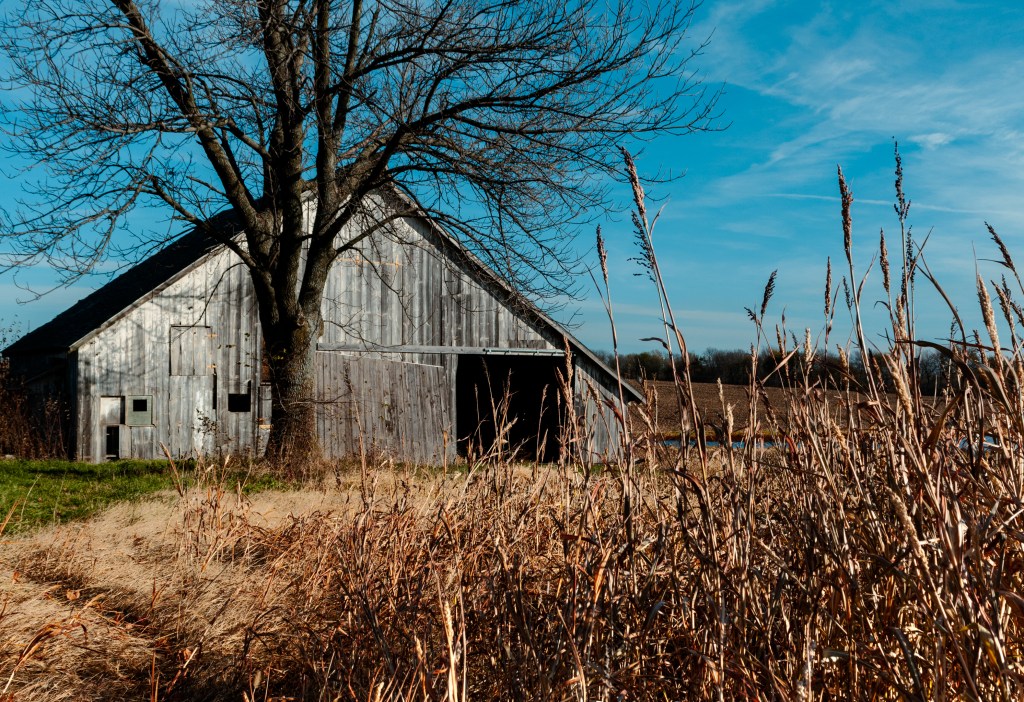
    In September 2021 I went on a photography trip with a friend. The goal was to get a photograph of the Milky Way in the Flint Hills of Kansas. The featured photograph is from that trip. The entire trip was set up to take a photograph of the Milky Way, but we drove past a lot of scenes that were very photographic.

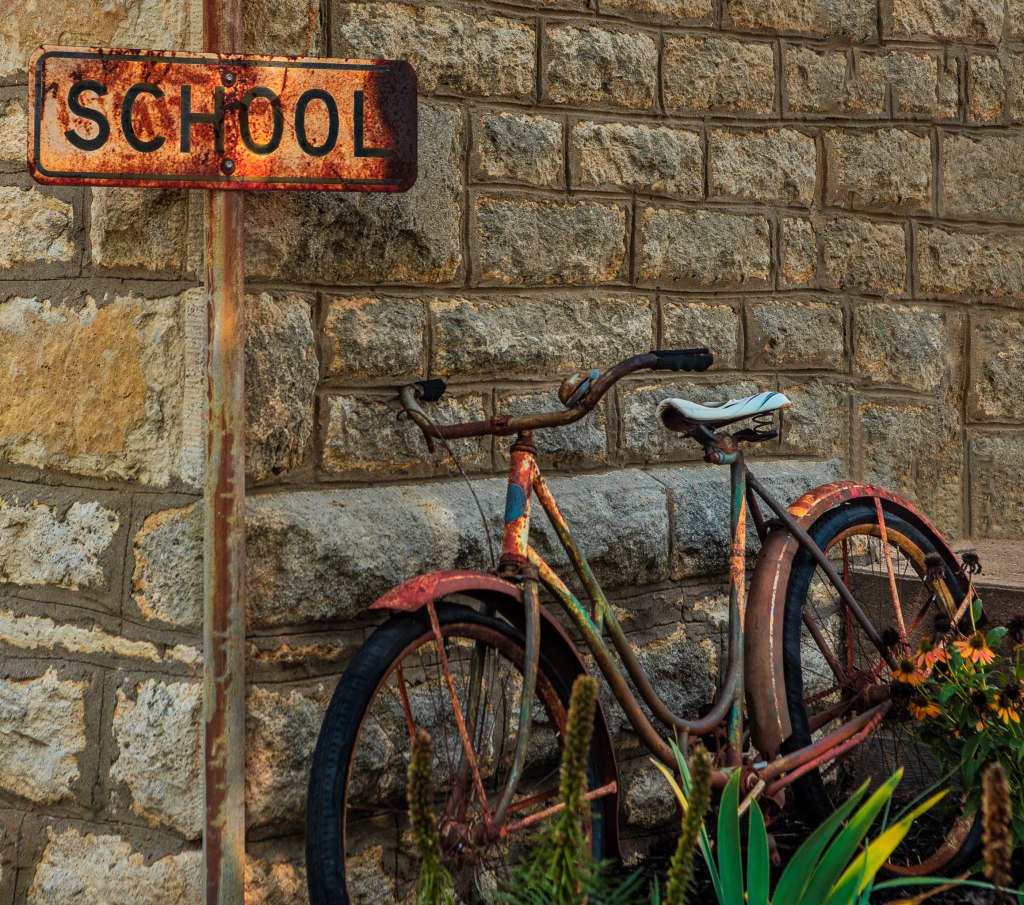
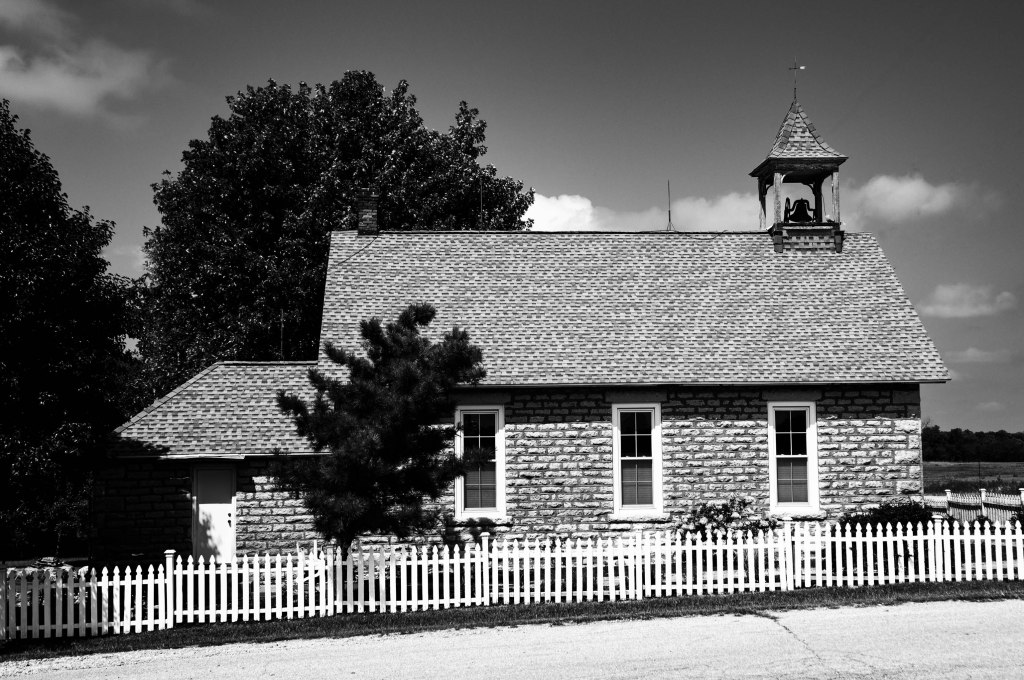
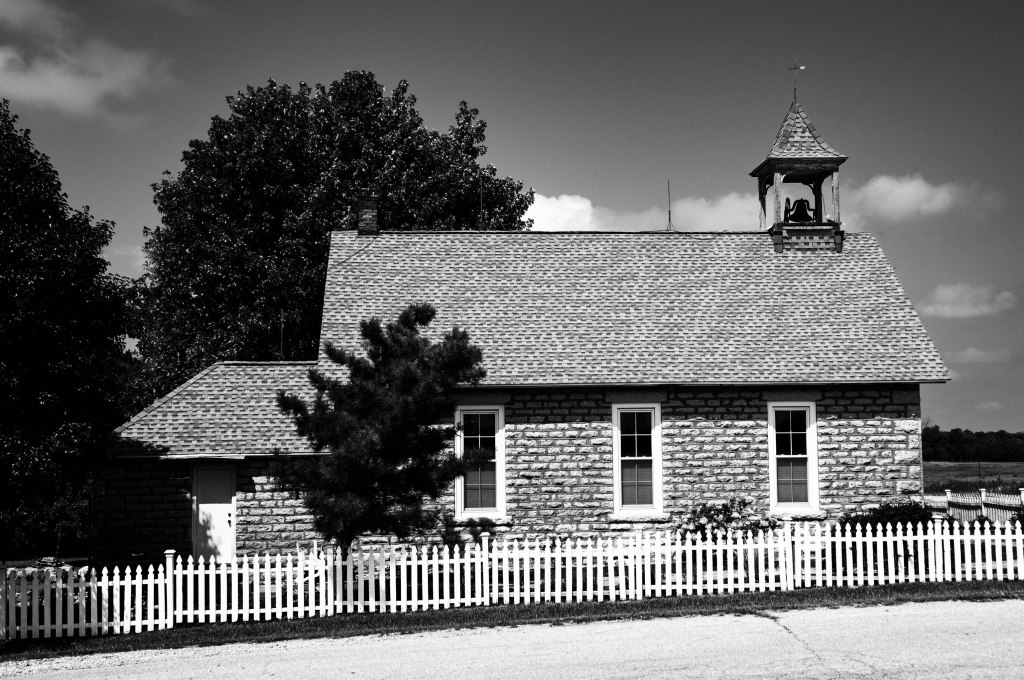
    We were driving to a location, a secondary site, when we saw an old one room school house. We stopped and I got these two shots.

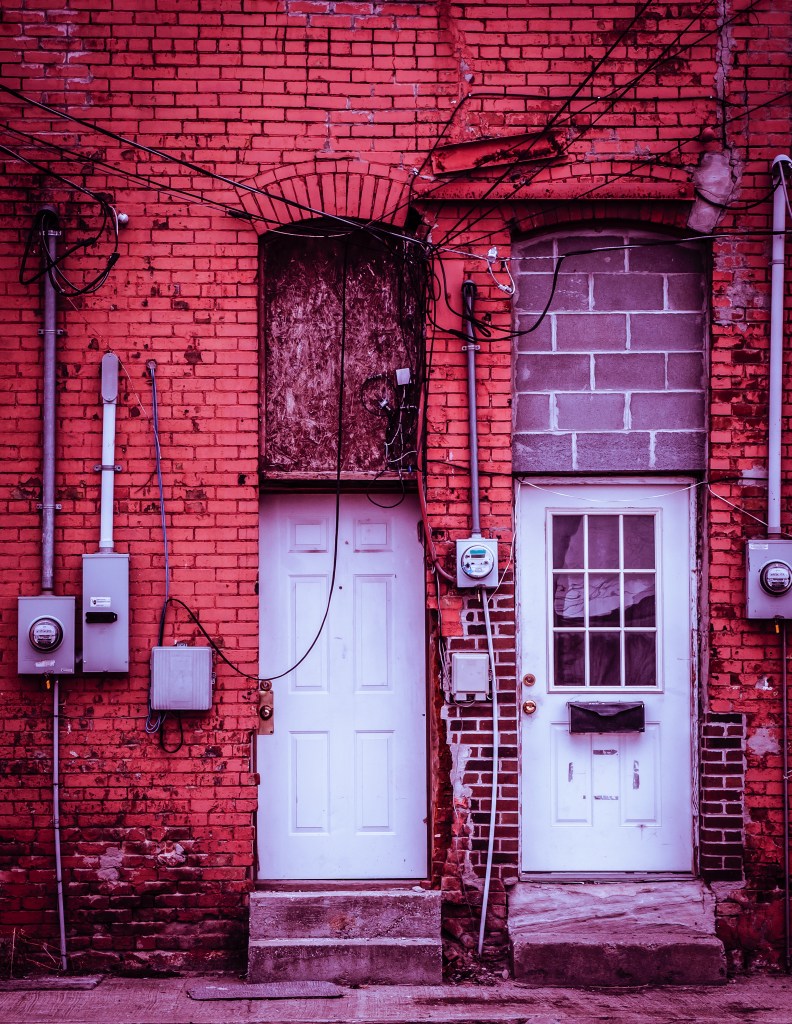
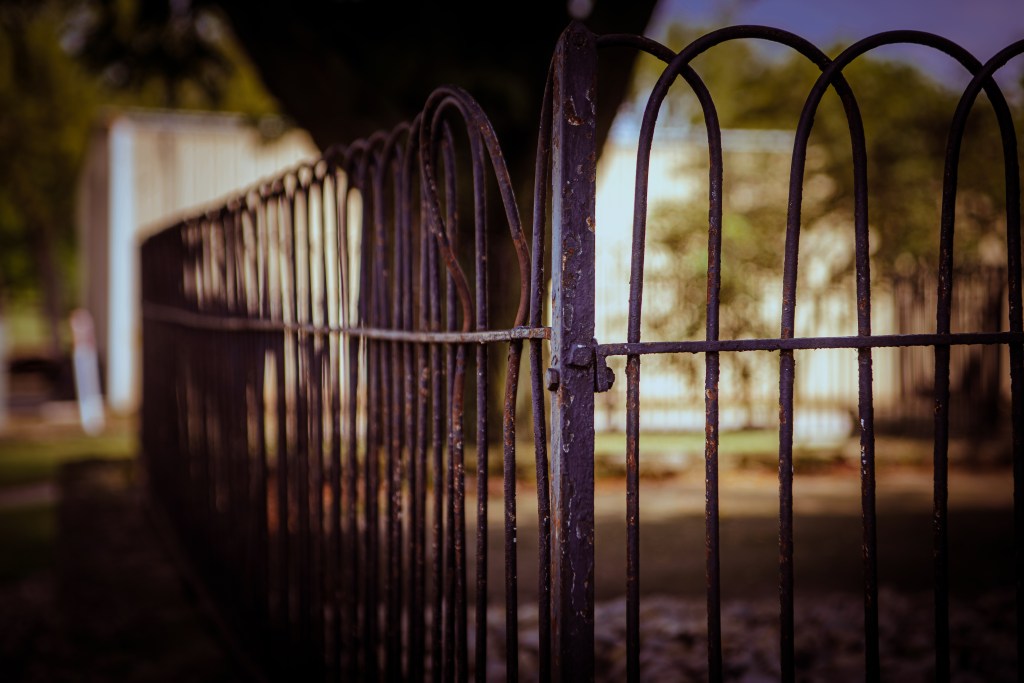
    The photograph above was near a location we decided to visit. I was walking down the street looking for something worthy, in my mind, and saw this old fence at the back of a building.

    How many of you have, like me, been heading to your destination of a photographic trip and drove past something and thought “someday I’ll stop here” or saw a scene that caught your eye but kept on going.

    As Wayne Gretzy said, “you miss 100% of the shots you don’t take”. Don’t wait to stop and get the shot, because as I have found sometimes that shot disappears forever.

  • Why photography?

    Why photography?

    Why did you get interested in photography? I wasn’t ever really interested in art in my youth. I really didn’t have any hobbies. I took art class in school because it was a requirment to graduate.

    For me, I was given a camera as a gift by mother in my mid twenties. I can’t even remember why she decided to give me a camera, a Canon AE-1. (I still have that camera by the way). After getting the camera which I knew nothing about I began to learn a bit. I even got to the point of developing my own black and white film. I somewhere along the line I lost interest in photography until 2005 when I bought a Nikon D50. By this time I was 47 years old. I had a somewhat stressful job and needed something to get away and relax.

    Once I got my shiny new digital SLR camera my whole view of photography changed. I studied everything I could find. I eventually even went to school and got a photography education.

    For me, photography is a bit about expressing my view of the world around me. It is about self-expression, even though I’m often reluctant to express my true self to others. I guess that is a bit of a concern that others may not like my work or think I’m weird. As I write this, I’m truly considering exploring that possibilty. Maybe art is more about expression of ourselves rather than what we think others want to see.

    I don’t live where I think “if I had only done things different”. The past is gone and it can’t be changed. I live saying, “I’m moving forward and see where this takes me”. I’m going to share my journey with the world, as best as I can, and express myself and my views in an honest way. For me that is why photography. Photography allows me the creative venue I have learned to use through cameras, lenses, lighting, and Photoshop manipulation. My challenge to you, is let’s do this together. Maybe we can start to change the world for the better, one image at a time.

  • Make art for yourself

    Make art for yourself

    I forget this often, make art for yourself. This is my new mantra. Back in the beginning of my photographic journey that was what I did, made art for myself. Then, I started to follow the words of others and would make art to please the review of others. I found that it wasn’t as much fun as making photographs and processing them to my satisfaction but rather what others thought to be good.

    I get it, if you’re in business to sell the art you have to produce art that sells, but isn’t it likely that if you make what you like you can find others who like it. We may have to market to a different audience but there is an audience for it. For me, if something sells fine, if it doesn’t sell that is also fine.

    As artists we need to express ourselves as we are and give the world a glimpse inside our minds eye. Let the world see the subjects of your art through your eye. Make art for yourself. Enjoy your art.

  • The greatest photography upgrade

    The greatest photography upgrade

    We often see articles on upgrading photogrpahically. We see loads of reviews on gear, We engage in conversations about new gear and upgrading gear. Each of these things is nice. We all love new stuff, but the absolute greatest upgrade you can make to your photography isn’t gear. The greatest upgrade to better photography is better knowledge and skill development!

    A bit of a story to help explain. I recently read a post on social media where a photographer experienced some issues while taking photographs. The post started something like this, “I’ve been a photographer for 45 years and I went to take photographs as an indoor basketball game. All the photographs have a color cast”. It went on to talk about a few things he had attempted, mostly by adjusting the white balance setting on the camera. The resulting comments were even more telling, so far as one suggestion was to just convert the images to black and white. My whole point is this, in all of the 45 years, this photographer hadn’t ever ran into a color cast before? Or any of those who were commenting? Yes, color casts can be difficult, but the photographer that made the post included photographs from the very venue that gave him the problems and none had a color cast.

    Some photogrpahers spend so much more time concerned about the technology and new gear than they do about learning and enhancing their skills. It has never been easier to learn. We can literally carry internet connected devices in our pockets that can access countless resources for learning. We have access in our pockets to both text based and audible books. There are countless tutorial, both video and text, on virtually any method/program to post-process our photographs. There is a multitude of schools teaching photographic techniques both remotely and in-person.

    Don’t just sit back and believe you can’t learn something new, refresh your knowledge, or enhance your skills. Take advantage of the availability of resources to learn and enhance your skills. Spend a bit of your photographic budget on learning. You’ll be surprised at the value of that upgrade.

  • Photographers are a tough crowd

    Photographers are a tough crowd

    Photographers are a tough crowd when it comes to viewing photographs, yet that is the group we cater to when we display our photographs. Photographers are seemingly always ready to give an opinion on the art piece with a “I would have”, even if it is silently thought. So why is it that are target audience is a group of other photographers, at least for the most part? Is it that we seek acceptance amongst our peers?

    I never really considerted this thought before yesterday, the one where we set our target audience to other photographers, but as I think about it, even the big deal photographers target other photographers.

    Maybe we should consider how to and where to market our works towards the general population. I know it would take a bit of work, finding a location to display the work, or setting up a website with good SEO to make it easily discovered by the general population, or do we just set up a Pintrest or Instagram account. How about Facebook but instead of posting our work to photography groups we post on our own page for everyone to find. Some things for me to consider, expanding my audience.

  • What makes a photographer good?

    What makes a photographer good?

    What makes a photographer good? Does making a good photograph from a beautiful subject make a photographer good or making a good photograph from a subject that is not beautiful?

    I spent the morning I wrote this looking at a popular photography website. The photographs listed as “popular” as voted by the visitors almost entirely consisted of landscapes at sunrise/sunset, beautiful women in various stages of dress and undress, exotic locations, and wildlife closeups. There were very rarely photographs of mundane everyday things.

    Years ago a person said to me, “Anyone can take a good photograph of a flower. It’s hard to make a flower look bad.” At the time I thought, “that’s not true” but think about it. You have to really work at making a flower look bad. Go and look at a bunch of landscape photographs and you will see lots and lots of photographs of landscaped at sunrise/sunset or otherwise great lighting. You will see oceans, moutains, lakes, waterfalls.

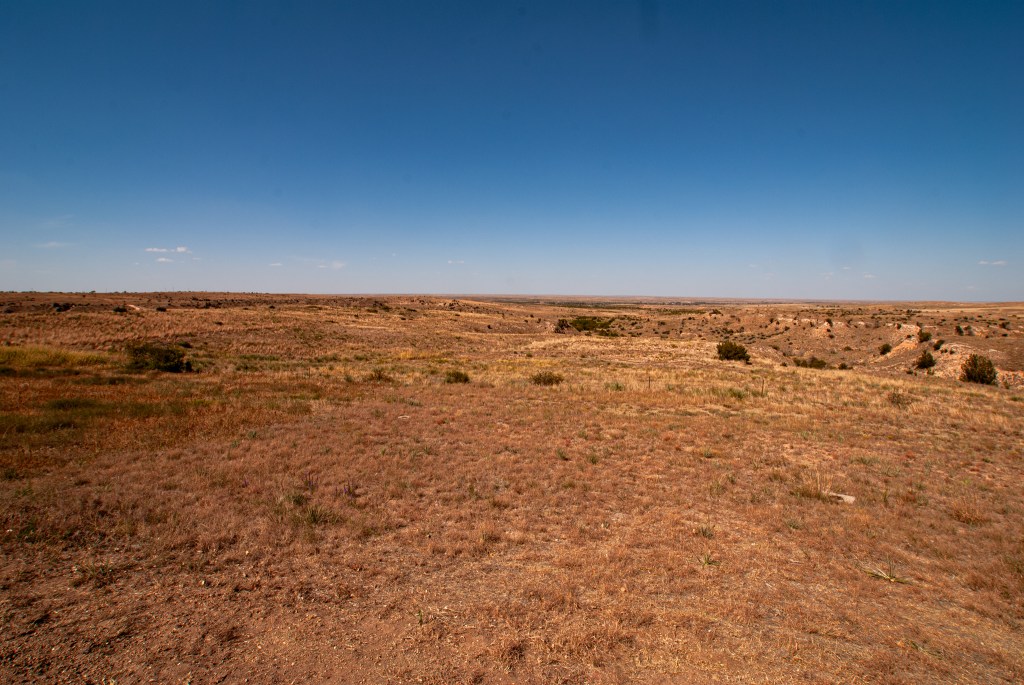
    Here is what you won’t see, or won’t see a lot of. You won’t see wide open spaces at midday. The photograph above I shot at 1:50 PM on a bright sunny day. Standing there looking at this scene in person I was in awe. I felt like I could see forever. Wide open country.

    A search of the keyword “plains” on this photography website brought about a very interesting return. Many of the photographs tagged as plains were not of plains. There were mountains, forests, and the desert. The images that were of the plains were African plains with elephans, lions, zebras, and other wildlife. There were truly only a handful of images I’d classify as plains.

    Yes, all the photographs I saw today were awesome but just like the person told me years ago about the flowers, you would have to really try to muck up the photographs of beautiful landscapes and beautiful people.

    Is it too hard to take good photographs of ordinary things and places? Do we just want to do what’s easy? My challenge to myself and hopefully others is to take make ordinary things and places look good. Let’s face it, so many of us live in ordinary places and are surrounded by ordinary things.

  • I’ve done photography the wrong way

    I’ve done photography the wrong way

    I’ve done photography the wrong way forever. I am a haphazard photographer. And even worse at organizing my photographs. I don’t mean I take bad photographs, I just don’t have a plan. I go out and hope for the best. I hope I find cool shit to photograph. Why is that wrong you may ask? There is no plan.

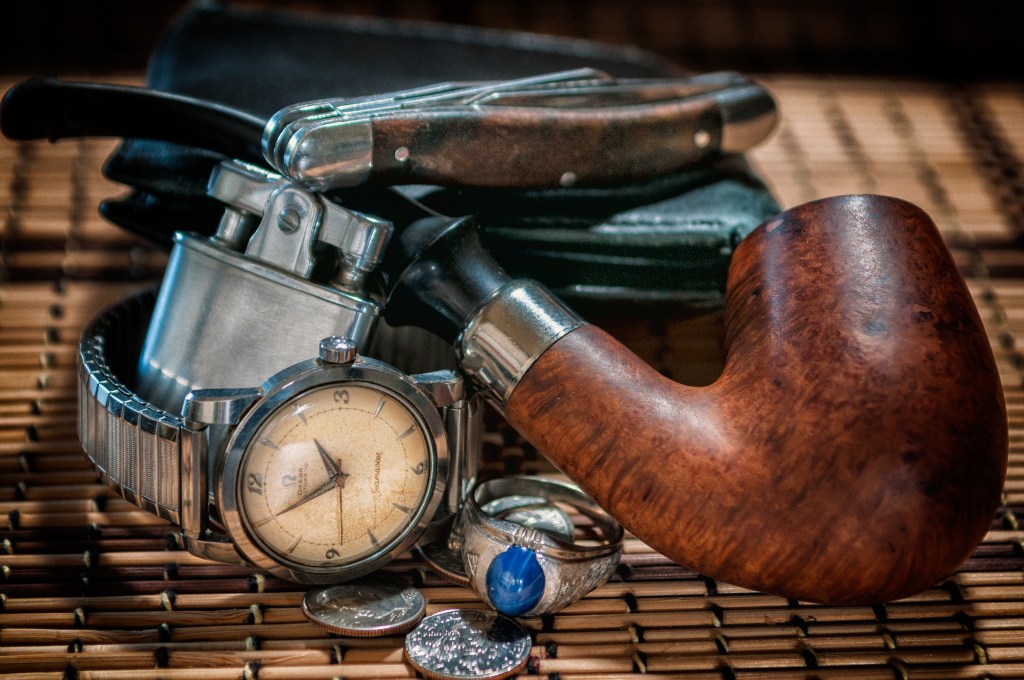
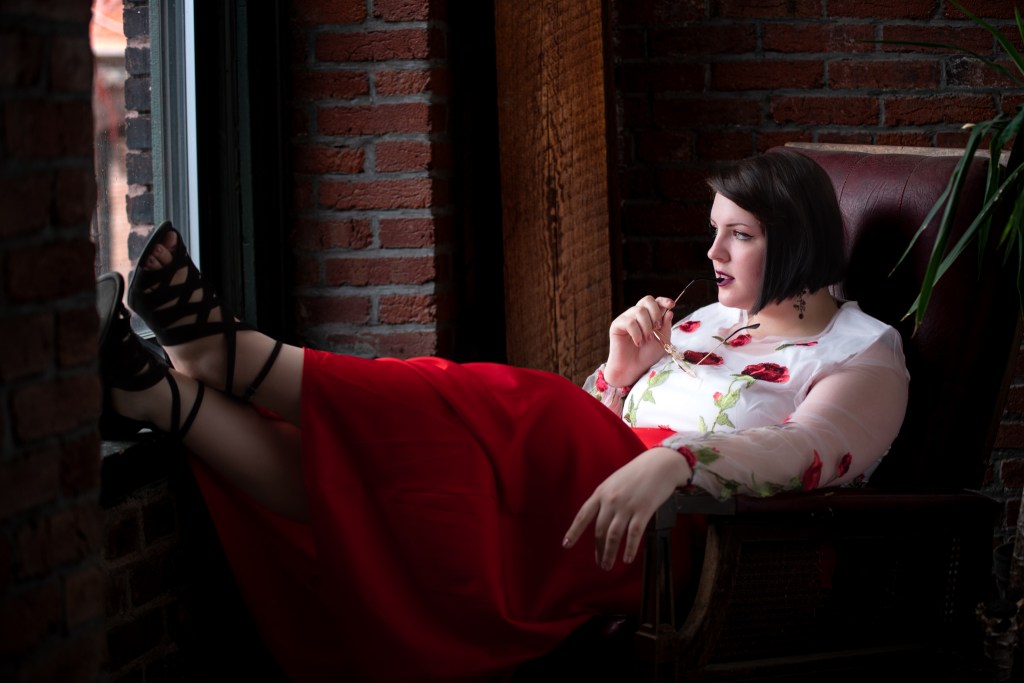
    I’ve done photography with a plan. The featured photograph I took almost six years ago. The concept was 1960s. The session was planned and it took months to find each element in the photo.

    We had a whole series of different settings.

    Most of the items, I still have available.

    This was one of the few where the entire session was a theme. Most of the time, I just get going and hope for the best. Even with models or portraits. I have decided, through careful review of my photographs that there is litte central theme to a session.

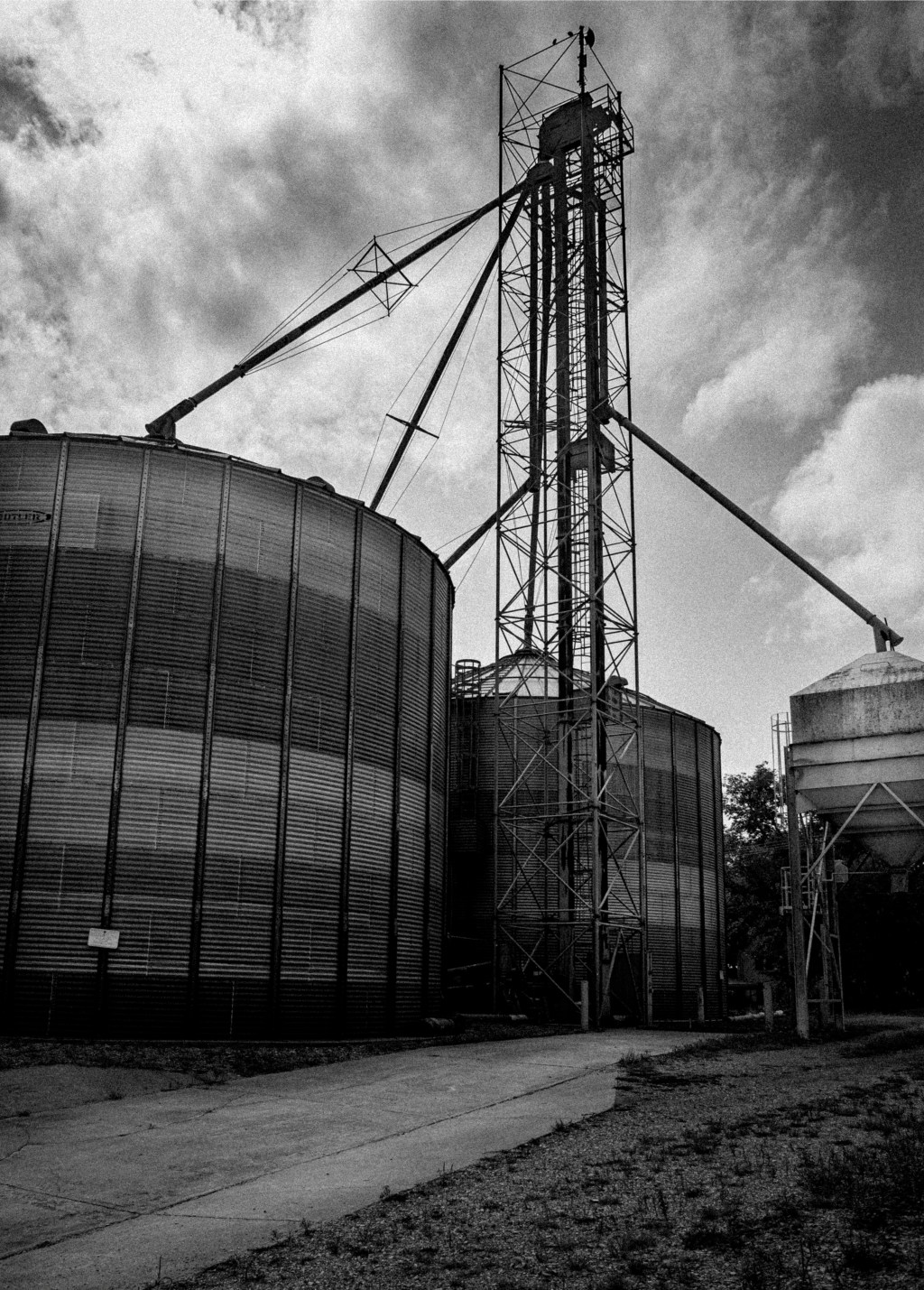
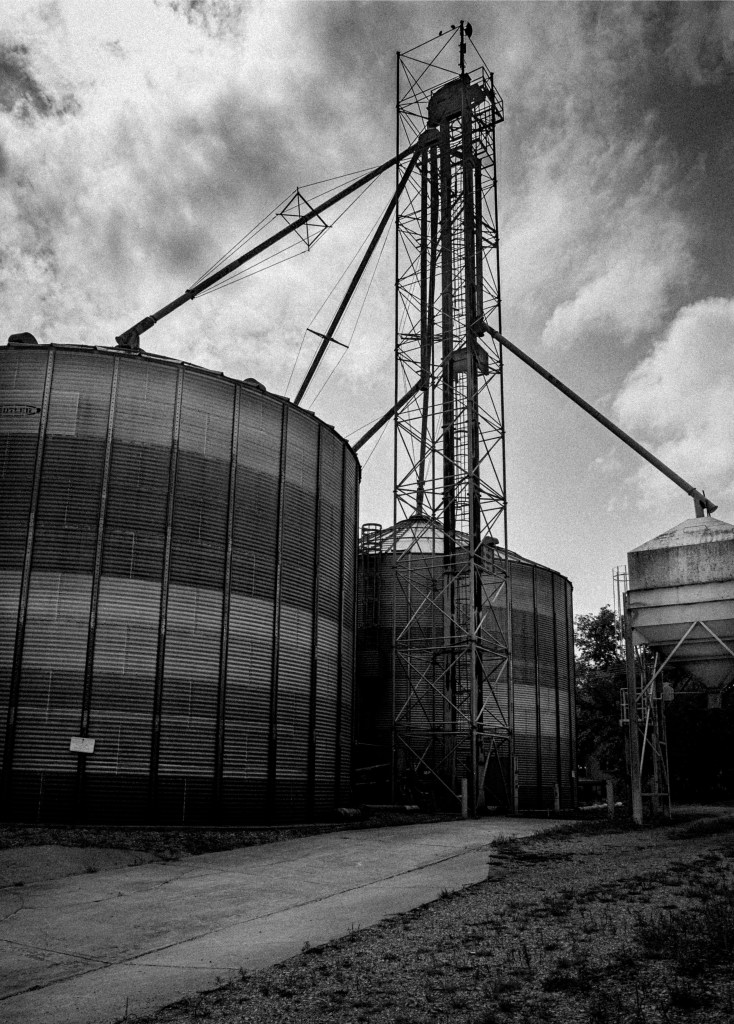
    A number of years ago I started a project on rural grain mills, feed stores, and elevators.

    The project is still ongoing but I have allowed it to cool so to speak.

    When it comes to organizing, yikes! My orgainization of my catalog is horrendous. I’ve improved on keywording but as far a collections and grouping. It’s no wonder I can’t put together a photo project to publish.

    Why am I confessing this to you all? I suspect I’m not alone. Keywording, building collections, planning projects and keeping track of them is boring and tedious. Once you have tens of thousands of photographs in this haphazard manner it is laborious to correct.

    Moving forward, start today to plan projects, collect assests to use in those projects, orgainze your assests to help put together your collections. I am, I’m starting today. I’m going to build my photo project list and stop shooting hapharzardly hoping to find that “perfect” image. I’ve decided that images standing alone may be nice, what makes photography best is projects and collections. As photographic artists we are in a much better position to tell stories and convey concepts through collections rather than merely invdividual pieces of work.

  • Does your fear of failure limit you?

    Does your fear of failure limit you?

    Does your fear of failure limit you in your creation of art? When I say failure it includes your work not being accepted or liked by others. We all have an inheirent desire to be liked and as artists we want our work to be liked and accepted, when our work isn’t liked we often can’t help feeling like we failed. But have we really failed?

    Let’s look at this a different way. What do Vincent Van Gogh, Johannes Vermeer, Oscar Wilde, and Franz Kafka all have in common? They didn’t become known for their work until after their deaths. Now, I’m not saying that you have to die to become recognized but if you don’t take chances and express yourself as you may like to try you’ll never know if people will like or accept your work. Get creative, put together what your mind envisions. Expand your horizons and don’t fear failure or let it hold you back on your creative mindset. With few exceptions, your work doesn’t have to represent reality. It doesn’t have to be like everyone else’s work. Go for it.

  • Are we stuck in the past in photography?

    Are we stuck in the past in photography?

    Are we stuck in the past in photography? Not just you, but we collectively as photographers. We have lots and lots of advances the technology and features of cameras, lenses, lighting, software, and all our other accessories such as lightning triggers, GPS tagging, Wifi capatiblies. But, our photographs look just like they did before. Are we really using the new improved technology?

    We have the capability to shoot photographs in extremely low light and high ISO ratings but I see so many photographs shot in low light with long exposures and lower ISO’s to “reduce” noise. Yes, 102,400 ISO can be a bit noisy but think about this for a moment. Remember the grain shoot of films like the Konica Centuria 1600 or Fuji 1600 film? Loads of grain. I know I know. I’ve heard it all before but, but the grain of film has a different look than digital noise. My opinion, so what!

    Here is another thing a few years ago there were a variety of styles of photography that were big. HDR, Orton, soft focus, double exposures, selective color, etc. Now, we have shallow depth of field. I love sites like 500px where you can find a lot of very good photography but a quick look of “popular photographs” the styles are all very similar. We may see the occasional black and white but the basic styles are all the same across all the genres.

    I’m starting to think maybe I just start to stand out and dare to be different. I may not appeal to everyone, I may not become famous or popular but I can be unique and different.

  • My greatest photographic challenge

    My greatest photographic challenge

    My greatest photographic challenge is to create something meaningful. When I first transitioned to digital photography I could snap off hundreds of photographs, most of which were pure garbage. A lot of that was a learning experience. What works, what doesn’t work. Nowadays, I can take a camera out, walk about and not take a single, or very few photographs. Once I get back and take a look at them on the computer screen I’m thoroughly unimpressed. Of course, I am probably my own worst critic. For example, after uploading the feature image above I noticed some stray strings ( or as a friend would say, ropes and one was a repelling rope). I admit it, I’m often a pixel peeper. There, I said it. Hi, my name is Clay and I’m a pixel peeper.

    Why is this my greatest challenge? I figure if my photograph doesn’t create something meaningful to me it is not likely to be meaningful to others. The whole purpose of creating photographs and photographic art is to share them with the world. While I don’t ever expect to be regarded as a household name in photography I don’t want to be a Vivian Maier either. I also understand that my photographs may not be everyone’s “cup of tea”.

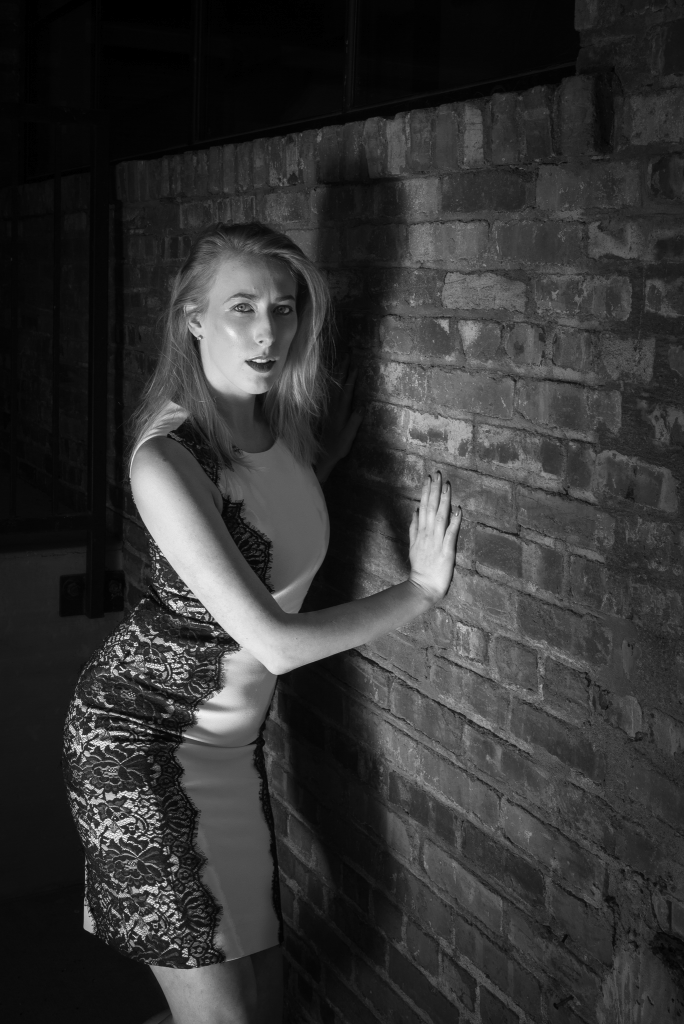
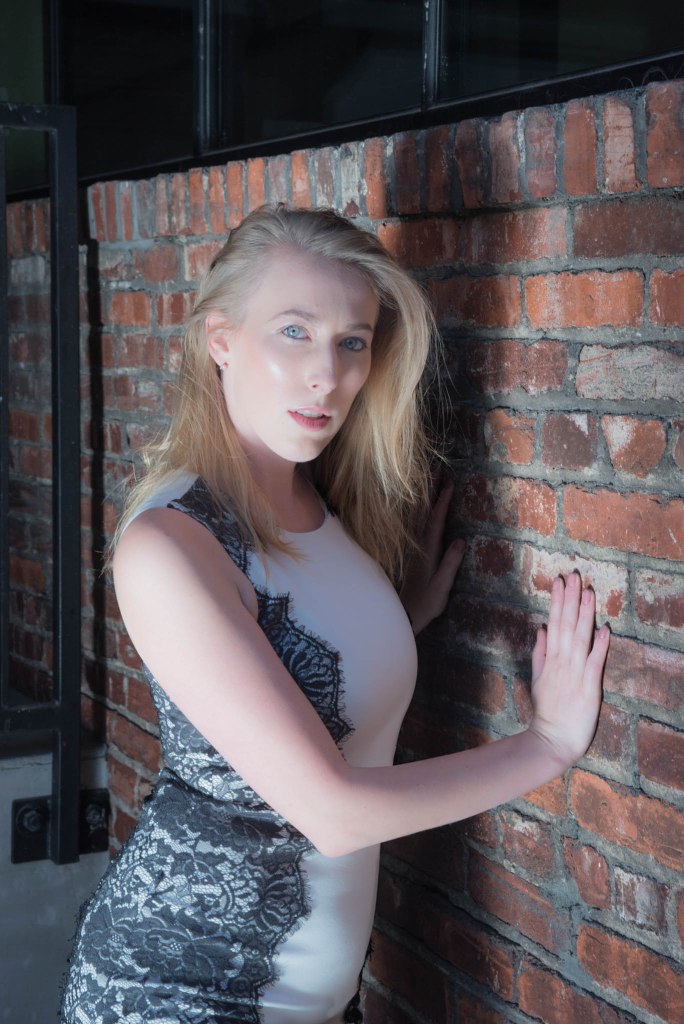
    When I did the photographic session where the featured photo was taken my intent was to photograph the dancer in locations where you typically wouldn’t think to find her. After this session, I photographed a model in an elegant evening gown in various locations such as an alleyway and fire escapes. To me, it was meaningful. The sessions were meant to get me and the viewers to look for the extraordinary in ordinary or unusual locations. This is what we want to do, at least in my mind. We photograph the ordinary and make it meaningful.