Tag: Photoshop

  • What kind of artist are you?

    What kind of artist are you?

    I don’t mean are you a painter, sketch artist, sculptor, photographer, etc. Are you a trailblazer, setting your own path, creating unique art, and using your vision, or are you a trail follower, creating art that is the current trend and similar work to others?

    I don’t think there is anything wrong with either type, just be honest with yourself and how you present yourself and your art to the work to the world. If you’re a trail follower don’t try to sell yourself and your art as unique and different than others. If you want to set yourself apart from others, truly set yourself apart and create your own unique look and style.

    Being a trailblazer can be scary. You’re going where few to none have gone before. You may come across obstacles, thorns, and other dangers along the way. You may find many don’t like the work and are critical because you’re not following along with what is popular. Being a trail follower you’re just one in a massive crowd. Sort of a “where’s Waldo”.
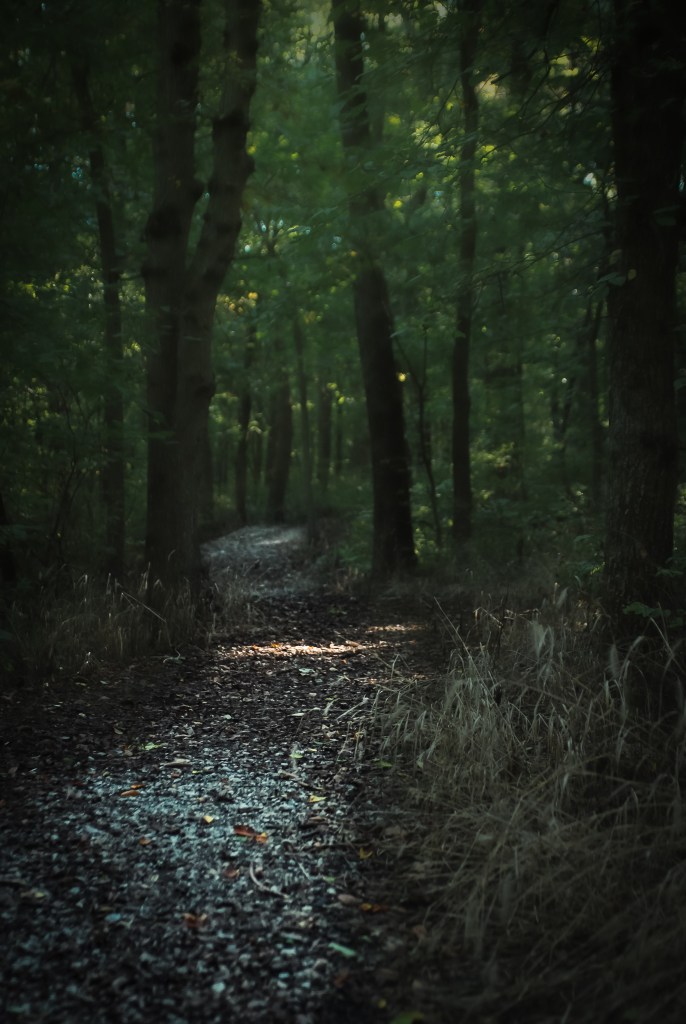
    I’m not sure which group I fall into right now, but my goal is to become a trailblazer. To stand alone and stand out. To create a path for others to follow. It isn’t that I want to become a legend but that I want to say that I was able to do this thing on my own. I want to create artwork that is truly mine.

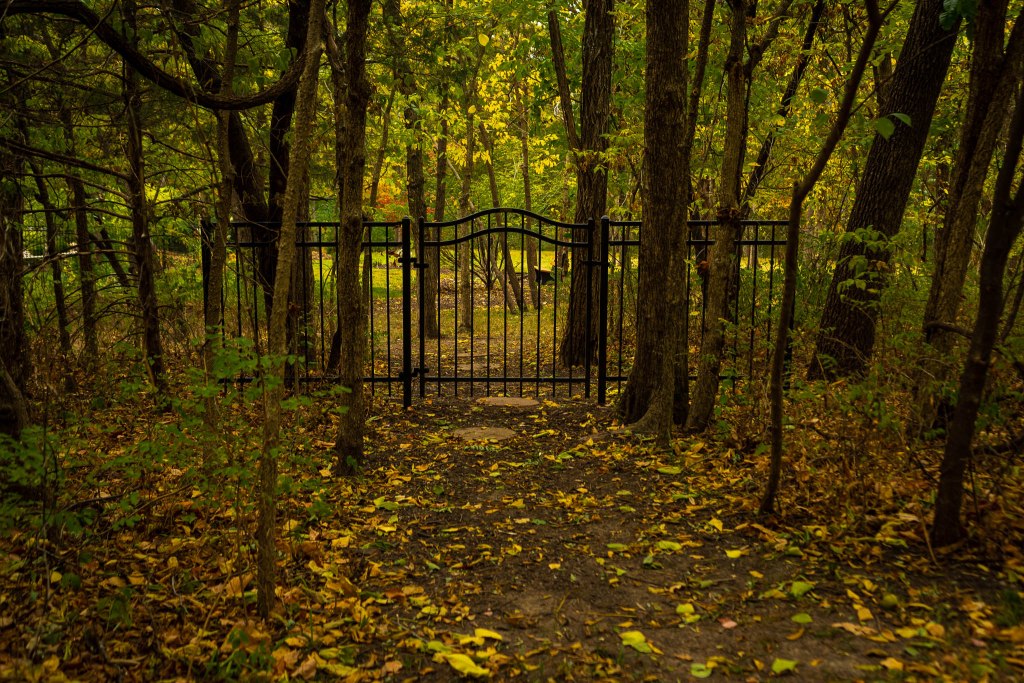
    I may have started out on the path but maybe it’s time to blaze through the heavy woods of creativity and see what is hidden in the forest of art.
  • Do I really need a photographic style?

    Do I really need a photographic style?

    Do I really need a photographic style? We often hear a lot about photographic styles and the need to establish your style, but what if my style is to have a variety of styles. The style I choose may work better with one subject or even one photograph versus another. I may use a different style throughout a photographic session. For me, having the ability to draw from multiple styles is an asset as an artist. Even if I were to run a business taking portraits, I believe it would be an asset to be able to adjust styles to better fit the need or desires of my clients.

    Finding a single style, to me, is self-limiting. It is, to me, like saying I only like hamburgers but only with American cheese, mustard, and ketchup. The greater sign of an artist is to be able to create and modify styles based on their vision.

    Use a single style, no, thank you. I like love the freedom of not having just one style.

  • The two most common mindsets of photographers

    The two most common mindsets of photographers

    Throughout my journey as a photographer and interacting with other photographers I have found the two most common mindsets of photographers are those who think they are better than they are and those who think they aren’t as good as they are. I have also found some that bounce between the two mindsets and I think I may be one that bounces between them.

    There are times when I go out and think, “I’ve got this!” and start shooting away snapping pictures like crazy then I get back to my digital darkroom and realize I bombed it. Other times I get out there and think, “I I’ll give it a go” and get back and look at the results and realize I killed it.

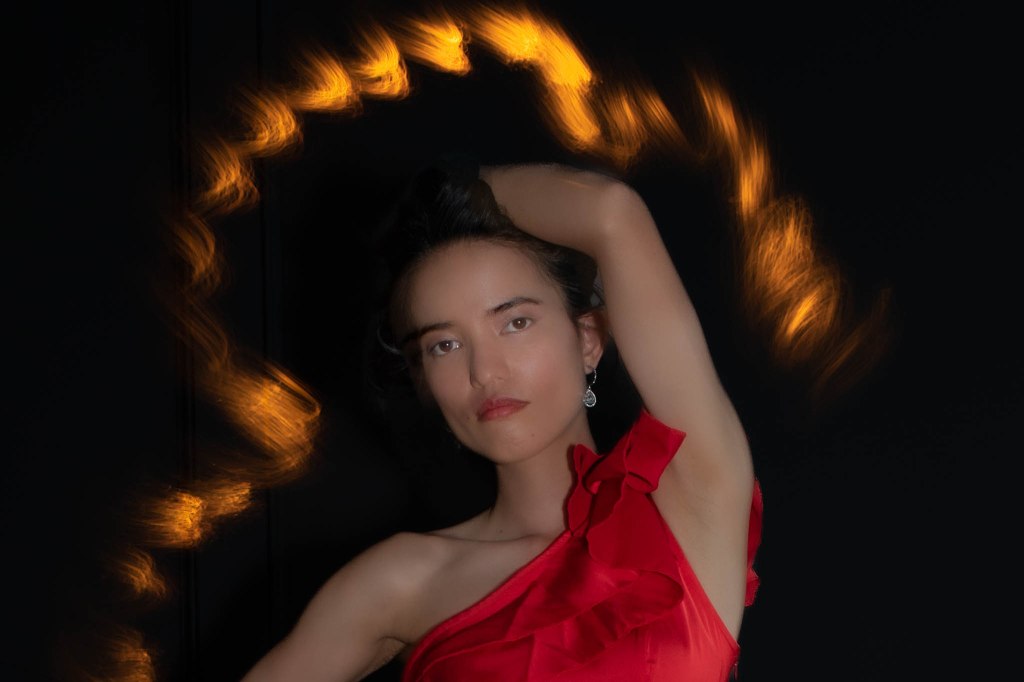
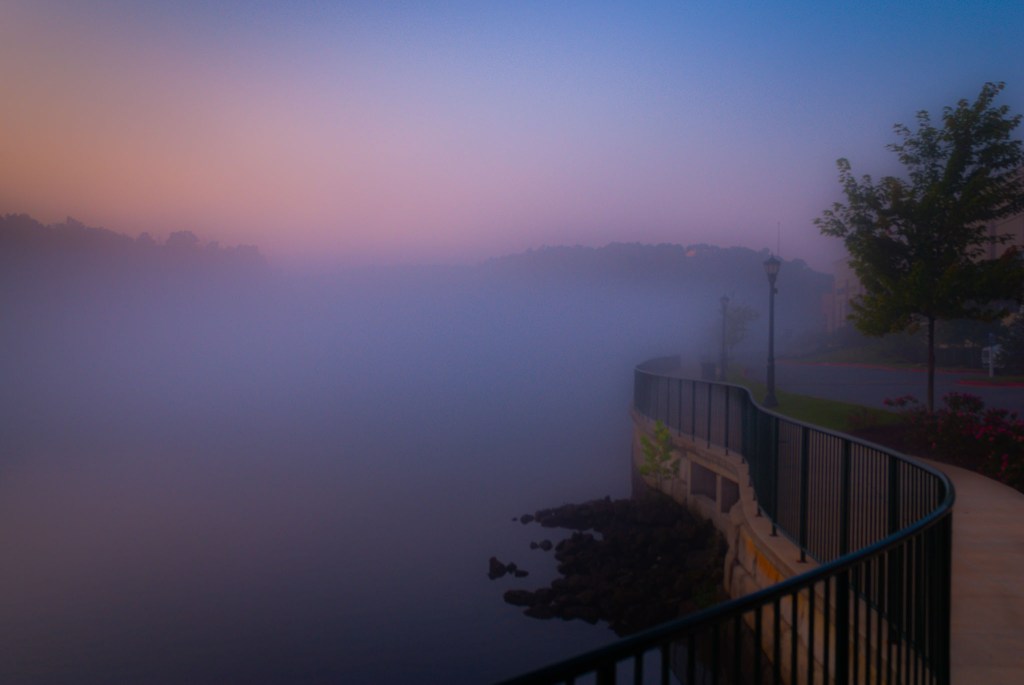
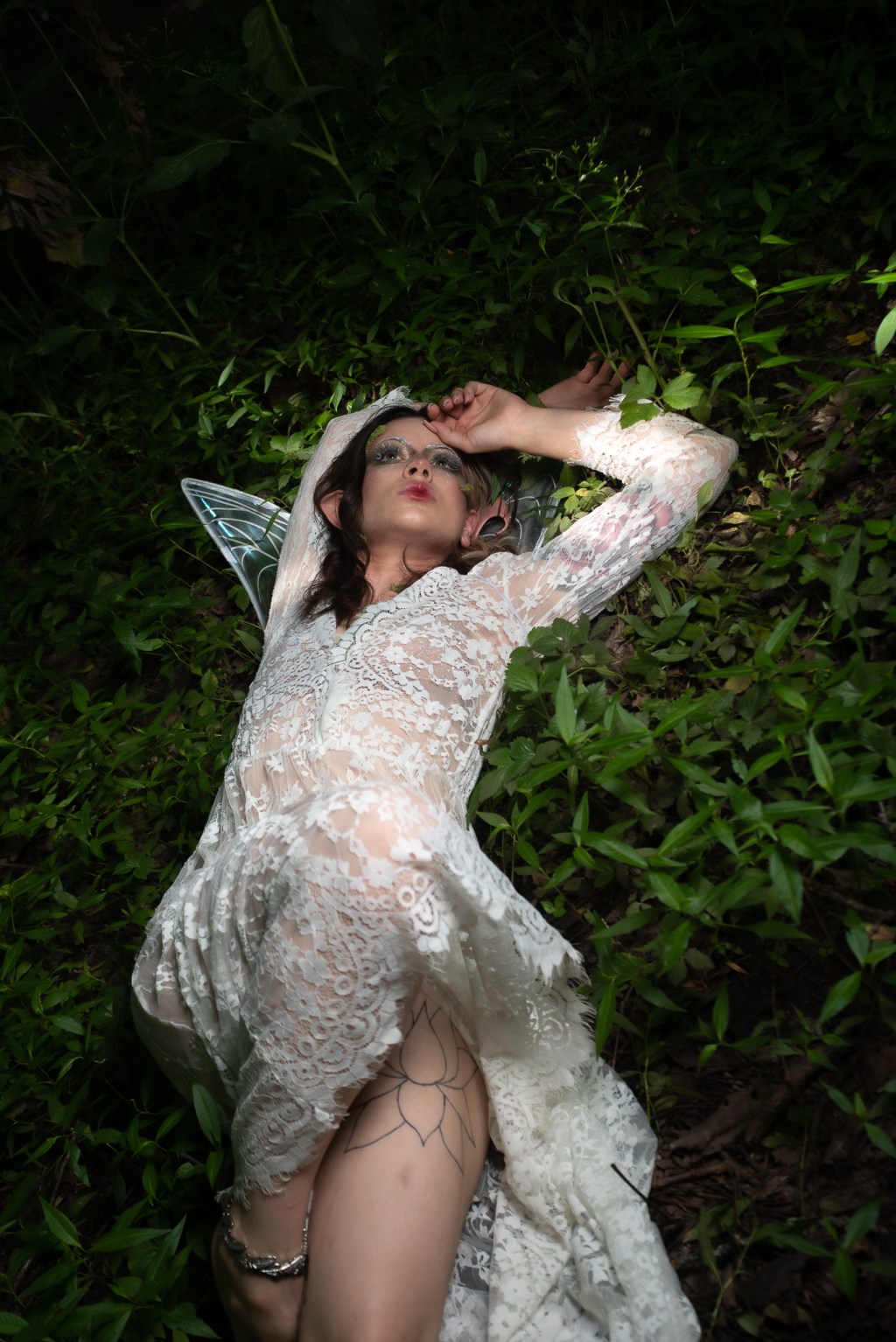
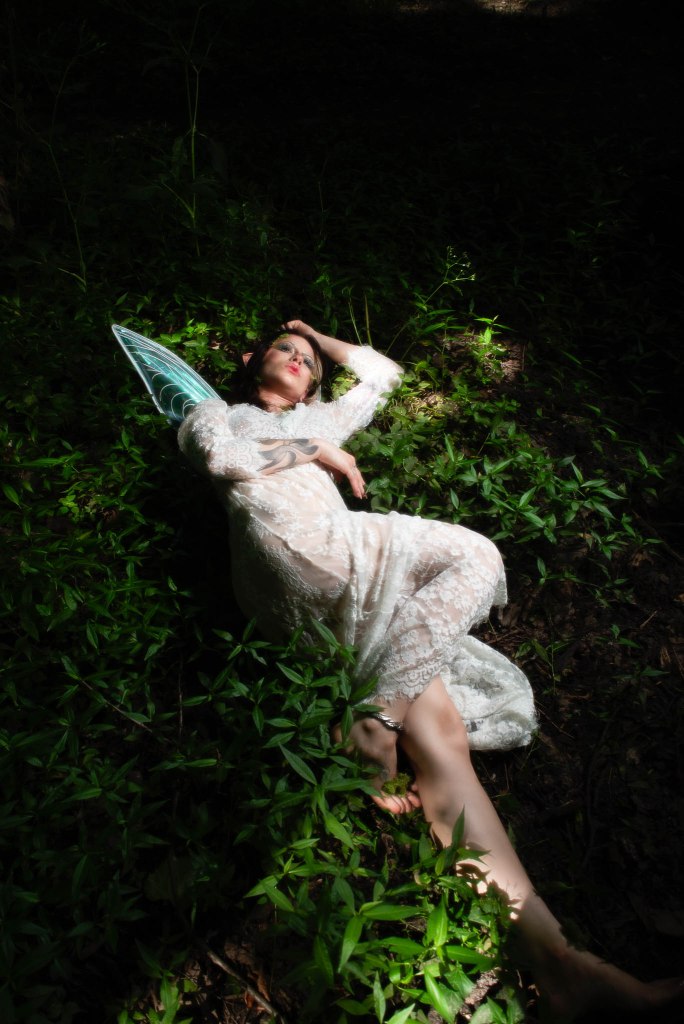
    The photograph I posted above was one of those times I thought “I’ve got this” but I have since become very disappointed with the results. I went unprepared. I went with a mindset of succeeding rather than learning and experimenting. You see, I had not done any of this type of photography before. I am a huge proponent of lighting and creative lighting techniques but this was new to me. Lesson learned. As the Captain said in the movie “Cool hand Luke”, You ain’t gonna need no third set, ’cause you gonna get your mind right. Working on a photography session, project, or even practice, you have to get your mind right. Confidence when called for, humility when needed, and student when necessary. The key is learning to recognize what mindset is appropriate at the time. Stay humble and it is easier to adjust that mindset to fit the moment.

  • Don’t be halfhearted as an artist

    Don’t be halfhearted as an artist

    Don’t be halfhearted as an artist or photographer, or as I like to call myself a photographic artist. Every piece of work we do, especially if we are going to “release it to the wild” should be done with full intensity to make the work a masterpiece. As the saying goes, go big or go home. You cannot make a good name for yourself by churning out incomplete, half-baked, halfhearted projects, work, or art. After all, you are what you create.

    Years ago, I was in a special operations unit. We trained for the “what-if”. When we trained we trained hard and with full intensity. What we discovered was if you trained halfhearted when the time came you were not prepared. While creating art and beautiful photographs may not be life-threatening or have life-and-death impacts the same concept applies. If a piece of work is released without your best effort it can, and often does, become the standard. Once the quality is sacrificed because “you don’t feel like it” you may find many other times when “you don’t feel like it” and release artwork to the world. Once it is out there, it is out there. You’ve let the proverbial “cat out of the bag”. This is especially true if we are producing work for others. Eventually, your clients or customers will see that this wasn’t your best effort and think why didn’t they give me the attention to detail others receive. It will reflect in your reputation.

    The way to becoming better is to work to be better than you were yesterday, last week, or last year. An artist should always create with full intensity and fullhearted effort. Go big or go home or as Yoda (I’m a Star Wars fan) said, “Try not, do or do not, there is no try”. If you truly want to be a photographer and more so if you want to be an artist, do or do not, there is no try.” Even practice with intensity so that you are ready for the big show when it comes because you never know when and suddenly the opportunity presents itself and if you haven’t trained, you won’t be ready.

  • Is it inspiration or theft?

    Is it inspiration or theft?

    I recently began thinking about the difference between using ideas as inspiration versus concept theft. How close to similar is too close? So where is the line? Is there a line? Does it get too close when we start to solicit the possible group that was interested in the first concept to the new similar work?

    First, let’s look at a common definition of intellectual theft; “Intellectual theft is stealing or using without permission someone else’s intellectual property. Intellectual property is any creative or commercial innovation, any new method that has economic value, or any distinctive mark which might include a name, symbol, or logo that’s used in commercial practices.” What if a creative concept has economic value but is put out there to help others? Now it appears it is more of a moral or ethical issue.

    In reality, there is probably little that is done today art-wise that hasn’t been done to some extent in the past. I’ve used works done previously as inspiration when I wanted to do a project and looked to work done by others in the past to build a mood board and examples. I have always thought I put my own spin on the final projects but did I really? For me, this is an interesting quagmire. Is there an answer? Does it matter? Does it make a difference if I know the person whose idea or concept I am wanting to use and ask, “Hey! Do you mind if I give your idea or concept a try?” What if I don’t know the person but the idea was put out there and I just stumbled across it?

    This is definitely something I am going to have to give more thought to.

  • Some days you’re just out of ideas

    There are some days when you just run out of ideas. Creativity is down and you just zone out. Today is one of those days and it’s okay.

    Occasionally, you just have to remind yourself it’s okay to slow down and take a break. This is especially true for me right now as I am rapidly approaching a major life event, retiring from working for employers and going to start working for myself creating art.

    I see lots of artists and photographers who push themselves nearly everyday to create and so many times in the past I’ve seen people just like them burn out and stop completely.

    It is okay to not push yourself too hard. Give yourself time for yourself. Take a day off, better yet take a week off and recharge.

  • Are Photography workshops really workshops

    Are Photography workshops really workshops

    Are photography workshops really workshops or are they becoming guided photography trips? Let us first look at the definition of a workshop;

    1. a room, group of rooms, or building in which work, especially mechanical work, is carried on.

    2. a seminar, discussion group, or the like, that emphasizes the exchange of ideas and the demonstration and application of techniques, skills, etc.:a theater workshop; an opera workshop.

    If that is the case then many times I have either attended a workshop or hosted a workshop when I gather with a group of fellow photographers and creatives to spend the day discussing, and exchanging ideas, and concepts, while creating photographs and art.

    I see so many advertisements for photography workshops that sound more like a guided photography trip yet they are billed as a workshop and cost a small fortune. Am I paying for the knowledge of where to go or are the hosts going to impart their knowledge to me? If it is the latter, are they also going to be taking photographs? Or is this all a way for the host(s) to make money and get their trip paid for by others?

    I often believe there are both types and we have to be careful to fully understand what we are paying for when we book the workshop. The only “workshop” I paid for I looked at it as a guided photography trip where the “hosts” didn’t teach me anything they just had scouted out the areas ahead of time.

    As I wrote about yesterday, everyone seemingly has something to sell us. Presets for photo editing programs, books, contests, and workshops all in the name of “making us better artists”. Do we really need these things or do we need to just create art and photographs? Maybe both?

  • Marketing to artists, are we easy targets?

    Marketing to artists, are we easy targets?

    Are we, artists and photographers, easy to sell to? I often believe we are easy for others to make money from. We buy chances to get published, offer free use of our photographs and art, and pay fees to get an opportunity to “win”.

    I’ve allowed “magazines” the privilege of using my photographs for free when the publisher made money from subscriptions just to say I was published but was I really published or was it the ability to use a free photograph the real selling point? Are we, photographers and artists so caught up in our own ego that we will pay to play?

    It often appears to me that everyone is willing to sell to us and we are willing to pay. Vanity contests, vanity magazines, vanity books, and vanity exhibitions.

    Marcel DuChamp in 1917 submitted “The Fountain” for exhibition in the Society of Independent Artists’ show at The Grand Central Palace in New York. It is said that the submission under the name “R. Mutt” was a protest because the society decided that anyone could be displayed simply by submitting a piece and paying a fee. Have we devolved what is art to anything is art and worthy of exhibition to simply “paying a fee”?

  • Go from average to glamour

    Go from average to glamour

    I have written often about the power of the digital darkroom and I use a variety of tools and software to get the final images I envision. In the past, we also used a variety of tools to achieve these glamorous looks. Soft focus filters, extensive lighting setups, and some advanced darkroom techniques. Despite what the anti-digital darkroom people say, it is always been done, it is just using different tools.

    While it may appear easier today it still requires good technique and a good starting point. Those of us who work extensively in the digital darkroom understand that it takes time and practice to “make it look easier”.

  • Models and the photographic artist

    Models and the photographic artist

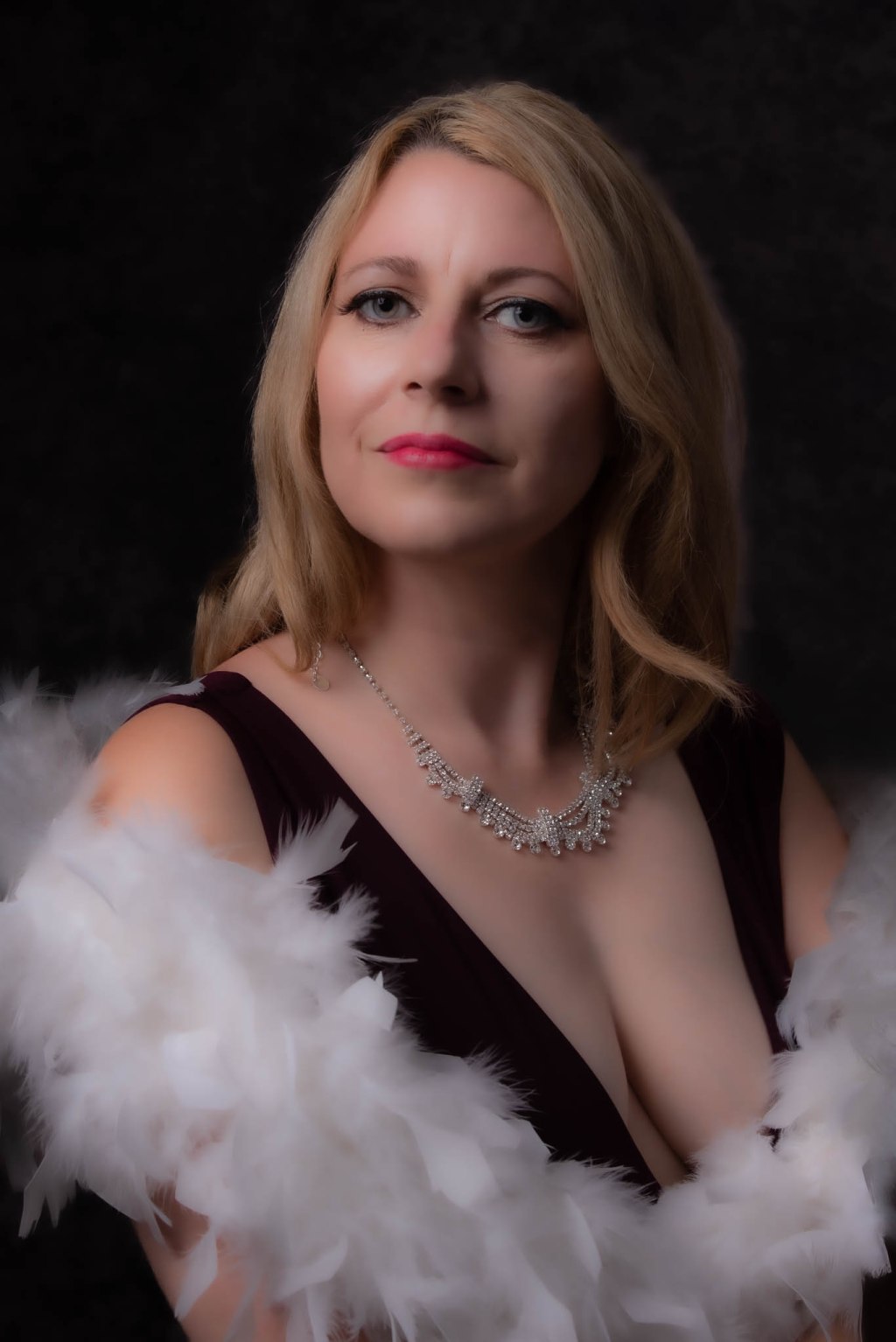
    As some of you who have followed this blog for a while may know I call myself a photographic artist. I work to create art with my photographs. The photograph I chose to include today is done so on purpose since it doesn’t represent any model I have worked with in the past because today I am writing about an issue that comes up far too often. Artists who are creepy or sexual predators use art to molest models.

    I’ve worked with models for nearly 10 years and this topic, unfortunately, arises many times a year in my area alone. We’ve read news stories about famous photographers and artists who have not only been accused of molesting models but convicted of their crimes. As a photographic artist, I always recommend a model bring a friend, at very least the first time we work together. I also let models know we will not do any posing or styles they are not comfortable with and I never touch a model. I’ve been instances when models have had wardrobe malfunctions and if that isn’t something that was planned I always let them know they may have a bit more showing than they want and allow them to fix their wardrobe.

    For me, it’s about art nothing more and I get totally appalled and angry at those who take advantage of models. If you are a model and work with photographers or artists who make you feel uncomfortable let others know. If you are a photographer or artist who works with models never push models to do anything they are not comfortable with and agreed upon BEFORE the session. Let’s work to keep everyone safe.