Tag: Photoshop

  • Editing as Interpretation: Translating Vision into Art

    Editing as Interpretation: Translating Vision into Art

    Embracing Editing as a Bold and Essential Creative Act

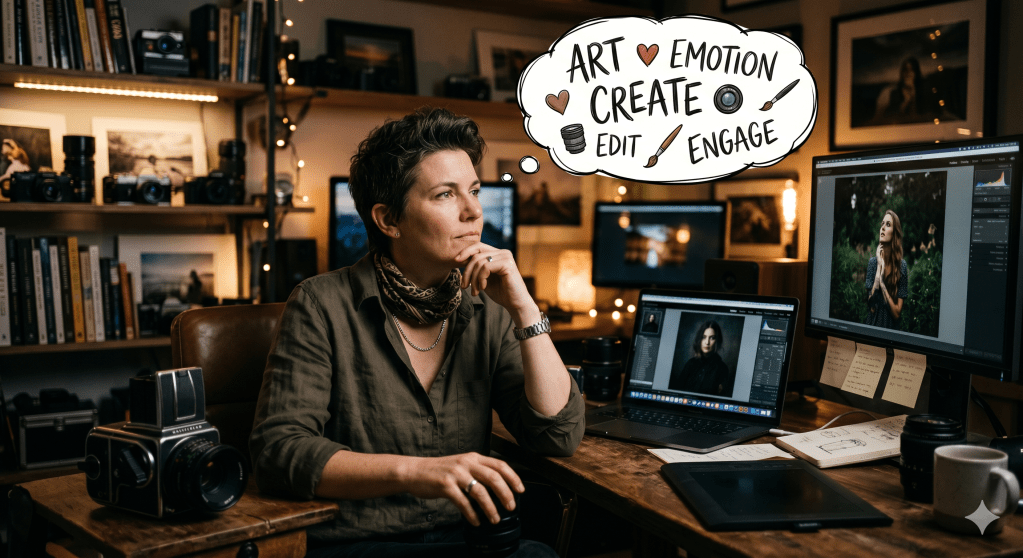
    In the world of photography, editing is often misunderstood and underestimated. Some might suggest that transforming images in post-production is taking the easy way out, but this couldn’t be further from the truth. Editing is not about covering up mistakes; it’s about courageously interpreting your vision. Much like a translator breathing new life into a story, editing empowers you to turn a simple capture into a piece of art that truly represents your creative spirit.

    Think of RAW files as the digital equivalent of film negatives: full of hidden potential, quietly awaiting your imagination and skill. Shooting in RAW gives you a canvas brimming with possibility, not just data. Each adjustment you make, whether refining color, balancing light, or perfecting detail, is a confident step toward realizing your unique point of view. The final image is a triumph of artistic intent over technical limitation, a testament to your voice as a creator.

    Every choice in the editing process, every tweak and transformation, serves to translate what you saw, felt, and envisioned into something powerful that others can experience. Editing isn’t about hiding behind software; it’s about bravely sharing your perspective, making each photograph honest, expressive, and unmistakably yours. It’s the difference between a forgotten draft and a masterpiece that inspires.

    So, whenever you sit down to edit your photos, remember: you are not cheating. You are seizing the opportunity to interpret, to translate the untold story within your RAW files into a visual language that belongs to you alone. Instead of just recording what was in front of the lens, you are creating something that reflects your artistry, your passion, and your vision. Editing is your superpower, wield it boldly, and let your art inspire the world!

  • Archives as Time Capsules

    Archives as Time Capsules

    Old photographic files are emotional archaeology. They remind me how I once saw the world, and how my seeing has changed.

    I open these folders the way one brushes dust from a buried wall—slowly, half-expecting something to collapse, half-hoping it won’t. Each image is a shard. Each filename a coordinate. Together they form a landscape I once walked through without knowing I was leaving tracks.

    Digital photographs pretend to be light, but they are heavy with looking. The moment they open, time bends inward. A window reappears. A street exhales. Someone I knew stands exactly where they once stood, suspended in the careless confidence of being unremembered. These images do not move, yet they advance toward me.

    In the earliest files, everything is crowded. The frame tries to hold too much sky, too many faces, too much proof. I wanted the world intact, uncut, unwilling to let anything fall outside the edges. I photographed as if loss were immediate, as if memory were already failing. The camera was my insurance policy against disappearance.

    What I see now is hunger. Not for beauty, but for certainty. I didn’t yet trust experience to stay with me unless I pinned it down with pixels. I needed evidence that I had been there, that the moment had weight, that it could be returned to later and still answer my name.

    As the years scroll forward, the images breathe. Space appears. Silence. The subject drifts to the margins. A shadow on a wall begins to matter more than the wall itself. I stop trying to gather the world and start listening to it. The photographs no longer ask to be believed; they ask to be felt.

    This is where the archaeology turns inward. The record is no longer of places, but of attention. What I framed tells me what I was ready to notice. What I left out tells me what I could not yet see. Certain colors repeat like a private language. Certain distances hold, again and again, as if I were measuring how close I dared to be.

    There are years filled with people, and years emptied of them. Years that lean toward motion, and others that kneel before stillness. At the time, none of this felt intentional. Now it reads like weather—patterns moving through me, shaping what the lens could hold.

    Some photographs remember more than I do. Others remember things I was sure were essential, but now barely recognize. The archive is honest in a way memory is not. It does not flatter. It does not edit for narrative. It simply keeps what I gave it.

    And yet, I feel tenderness toward every flawed frame. The awkward compositions. The overexposed skies. The moments that try too hard. They are sincere attempts to understand. You can’t fake attention, even when you don’t yet know what you’re paying it for.

    These files are not proof of improvement. They are proof of continuity. Each image is a layer, not a correction. Each way of seeing made the next one possible. Nothing here is wasted.

    Someday, the photographs I take now will become artifacts too. I will open them and wonder what I was reaching for, what I feared might vanish, what I thought mattered most. That is the quiet promise hidden in every image—not that it will preserve the past, but that it will teach the future how to look back gently.

  • The Beauty of Ordinary Things

    The Beauty of Ordinary Things

    Rediscovering the Ordinary: How Photography Turns the Mundane into Art

    Introduction

    Art has always been about seeing the world differently. While many rush past the everyday, artists pause, observe, and rediscover objects that most overlook: a bowl of fruit on a countertop, a forgotten keychain, a cracked tile in the kitchen, or a worn-out doorway. These seemingly trivial items become the raw material for creative expression, especially in photography, where the lens transforms the ordinary into something extraordinary.

    The Artist’s Eye: Noticing What Others Miss

    Artists possess a unique ability to notice the unnoticed. Where others see clutter or routine, artists see potential. A piece of fruit, for example, isn’t just a snack—it’s a study in color, texture, and light. A keychain isn’t merely a tool for organization; it’s a symbol of journeys, memories, and identity. Even a cracked tile, often dismissed as a flaw, can become a metaphor for imperfection and resilience.

    This heightened awareness is not accidental. It’s cultivated through curiosity, patience, and a willingness to look beyond surface appearances. Artists train themselves to ask: What stories hide in plain sight? What beauty lies in the overlooked?

    Photography: Elevating the Mundane

    Photography is uniquely suited to this rediscovery. The camera’s frame isolates objects from their context, inviting viewers to see them anew. Through careful composition, lighting, and focus, photographers elevate the mundane—fruit, keychains, tiles—into subjects worthy of contemplation.

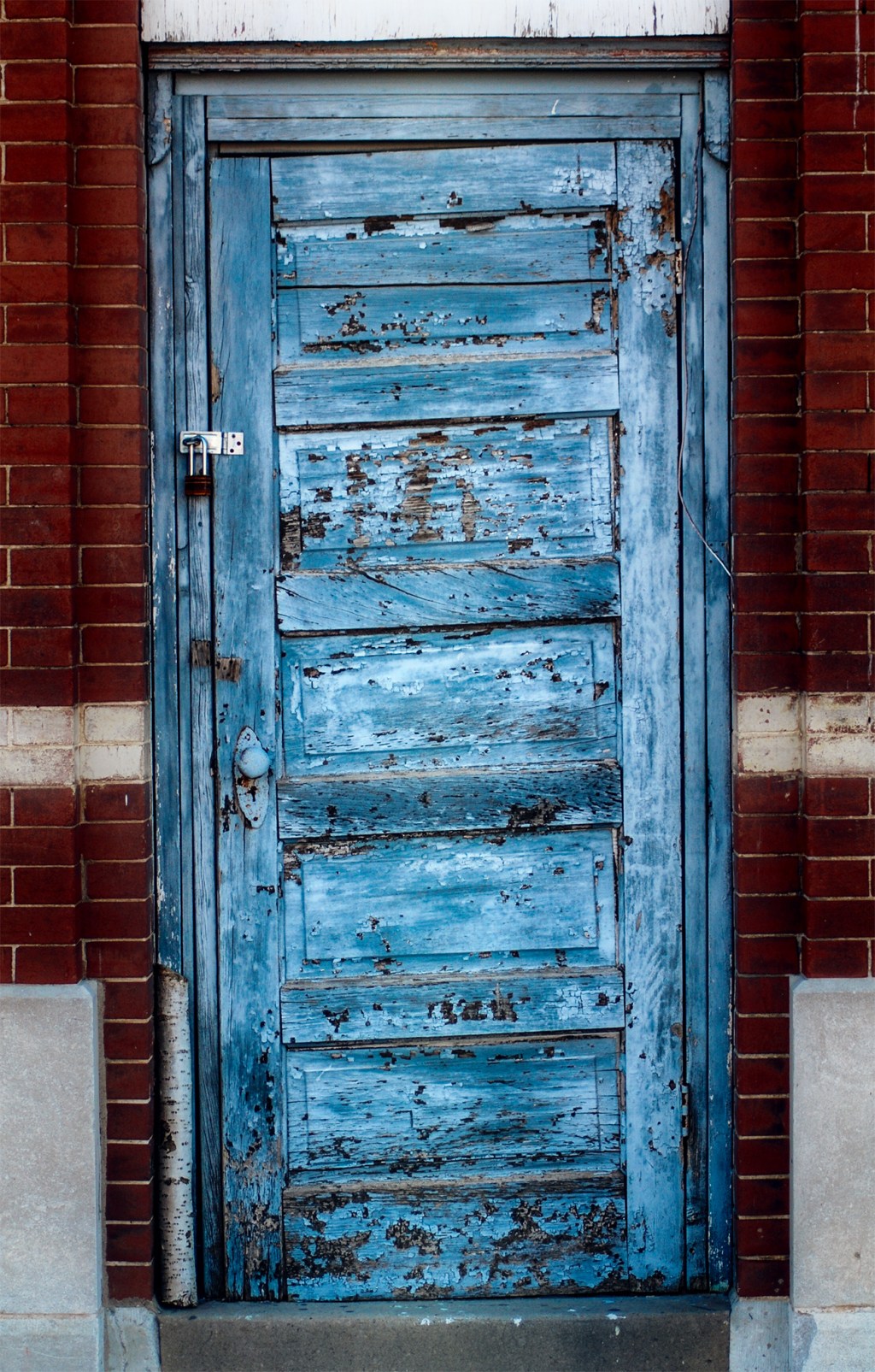
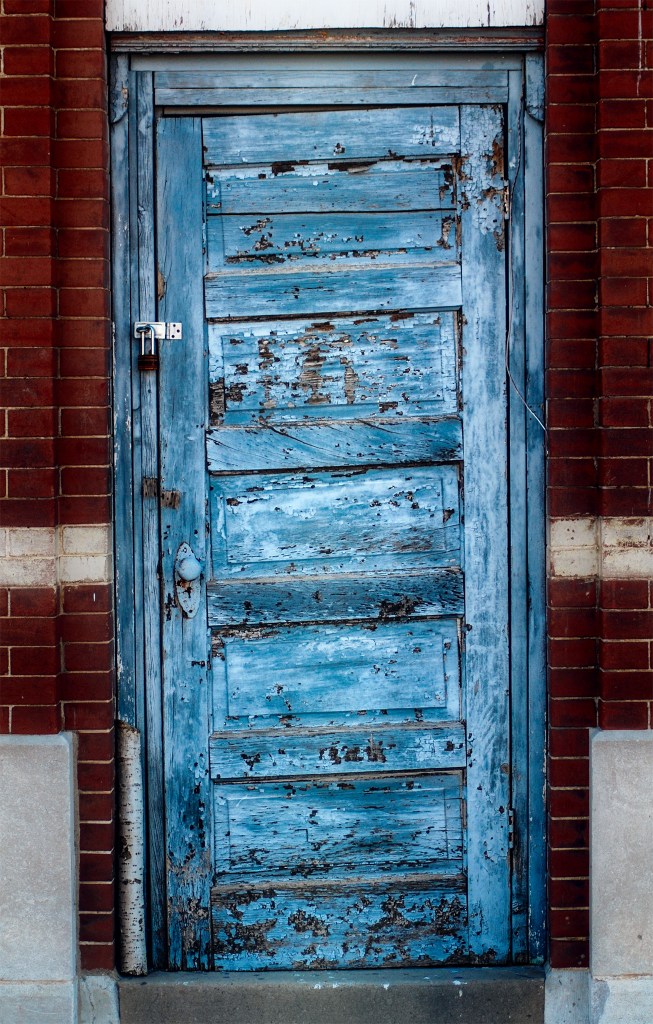
    Consider the work of still life photographers. Their images of fruit on a countertop are not just records of groceries; they are meditations on abundance, decay, and the passage of time. A close-up of a keychain can evoke nostalgia, hinting at the places it’s been and the hands that have held it. The cracked tile, captured in detail, becomes a testament to the history of a home, the passage of feet, and the inevitability of change. A worn-out doorway causes one to wonder about the things or people who have passed through on their journeys.

    Why the Mundane Matters

    By focusing on the ordinary, artists and photographers remind us that beauty is everywhere. The mundane is not boring—it’s the foundation of daily life, rich with meaning and possibility. When we learn to see as artists do, we discover that every object, no matter how humble, has a story to tell.

    This approach also democratizes art. You don’t need exotic locations or expensive materials to create something meaningful. Inspiration is as close as your kitchen counter or your pocket. The challenge—and the joy—is to notice, appreciate, and elevate what’s already around you.

  • Even as artists, we don’t know what we don’t know.

    Even as artists, we don’t know what we don’t know.

    I made a decision last night while I was enjoying a cognac sitting in my recliner, watching our newly adopted rescue dog sleeping next to my wife while we were watching a television show. That decision was to get back to doing what you do, which involves writing this blog, playing my video games, and my photographic art. This past year has been a wild ride that I won’t go into details about, except for learning you don’t know what you don’t know. I used to hate that expression!

    A couple of things have helped bring my understanding of the words: you don’t know what you don’t know. Firstly, I have learned so much about bringing my vision forward in creating the final image I imagined when I took a photo. My goal was to create something that would engage the viewer, even if that viewer is just myself.

    My deeper understanding of life has evolved through a series of events over the past year. I underwent radiation therapy for cancer, which was a significant challenge. During this time, I also learned more about creating photographic art than I ever imagined, thanks to the guidance of my mentor and the support of like-minded individuals and my family. Additionally, I adopted a rescue dog, which has brought unexpected joy and companionship into my life and also taught me that we don’t always know about the challenges and past that many people have experienced.

    It is with these insights in both my mind and heart that I will move forward to helping myself become more compassionate towards others and passionate about my art. Additionally, I will use those traits to help others with their journeys, understanding that I don’t always have to know their stories or history, but just to be there to support them as they ask.

    Through this blog and my art, I aim to achieve some of this through regular entries. These entries may not always focus on art or photography, but may also include life lessons I have learned or experienced.

  • The greatest challenge to photographers are themselves.

    The greatest challenge to photographers are themselves.

    There! I said the quiet part out loud. Yep, I’m putting the blame on ourselves. The problems vary, we think we know it all, we know nothing, we need better equipment, we need better subjects/locations, and on and on.

    What we really need is to always be open to learning, exploring, changing, and growing. We need to stay hungry to learn as we did when we first got started. We need to stop comparing ourselves to others and create for ourselves and to get in tune with our emotions, memories, experiences, and creativity. We need to get out of our shadowy mind lost in the fog.

    I believe I am on a path to that very goal. I’ve found, for me, a fantastic inspiration and as a result, found a wonderful group of like minded photographers, that push each other to move foward. I don’t even mind sharing the name of the inspiration, f64 Acadmeny Elite. The man behind this site is Blake Rudis and I have known him for years, however, I didn’t subscripe to his site until 15 months ago. In that time, I have learned more about myself as a photographic artist than I did in all the 30+ years prior, and I feel like I’m just getting started. As a result of this I have connections all across the United States and, in fact, the world. My skills have grown and yet I feel like I have so much more to learn.

    My challenge to photographers who want to take their photography to the highest level to search out what is holding you back. I also invite you to check out Blake’s YouTube channel f64 Academy . This will give you a taste of what he teaches, these videos are merely the tip of the iceberg in what you will learn as a subscriber to his site. I am sharing this with you all because this has truly helped me and I want to share what I found to get my passion back with others.

  • The problem with iconic locations for photographers

    The problem with iconic locations for photographers

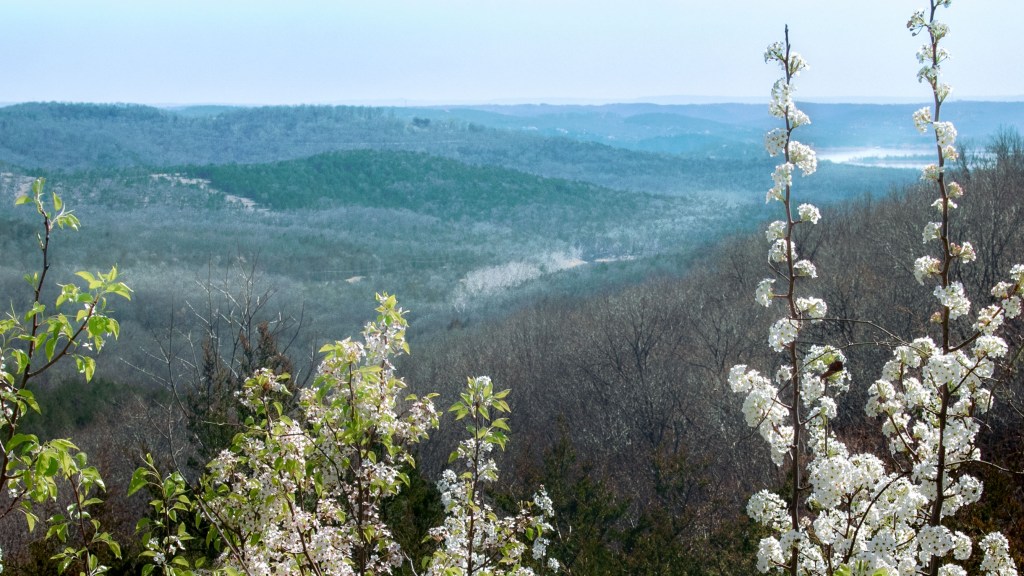
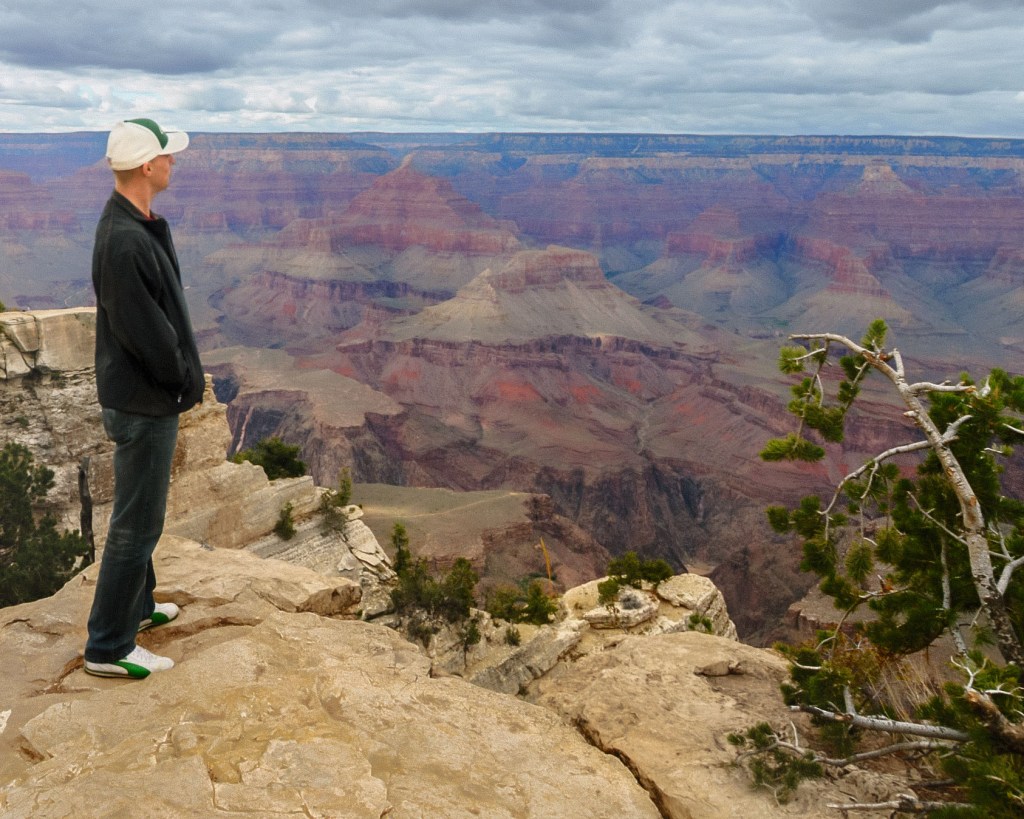
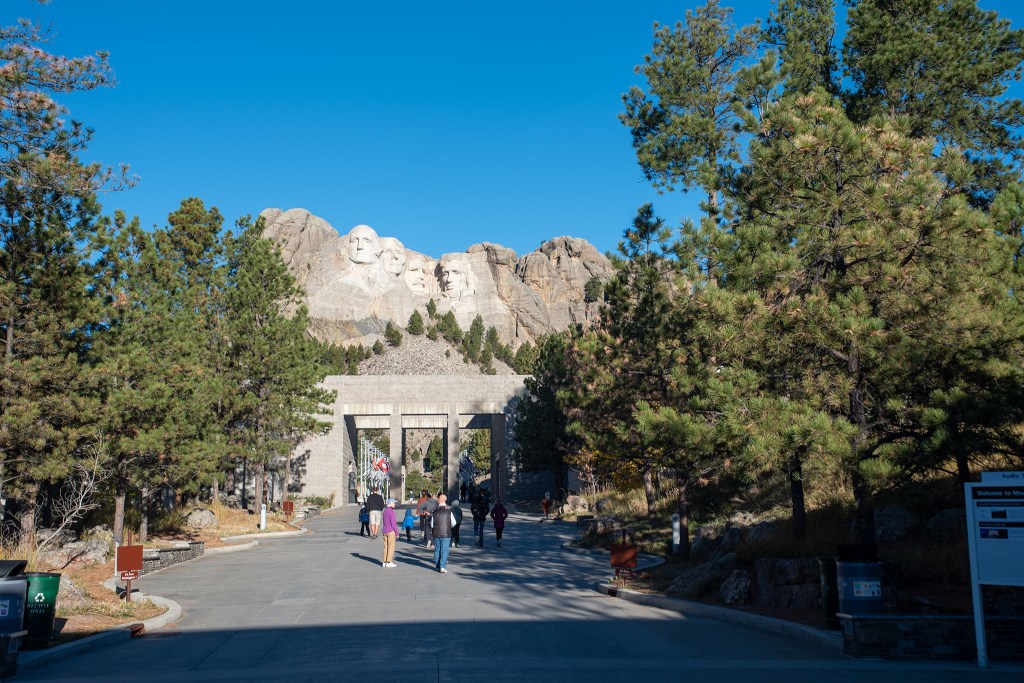
    We are absolutely enchanted by the opportunity to explore the iconic locations that surround us, those breathtaking, famous tourist destinations that ignite our wanderlust and fill our hearts with joy.

    There are some inherent problems with that. Lots of people and “everyone” have photographed the locations, often resulting in a lack of originality and unique perspectives. As a result, these images can become repetitive, making it challenging to convey the true essence of the places. Furthermore, with the saturation of similar photographs flooding social media platforms, it can be difficult for individuals to stand out and make a meaningful impact with their work. This overexposure can also lead to a sense of disconnection from the actual experience of visiting these locations, as the focus shifts from enjoying the moment to trying to capture the perfect shot for public approval.

    Of course, this won’t stop me from visiting and photographing them, as my passion for capturing their unique beauty and essence drives me to explore every corner of their existence. With each visit, I find myself increasingly inspired by the intricate details and ever-changing landscapes that surround them, revealing new stories and perspectives that I can’t wait to document through my lens. The thrill of discovering hidden gems and unique moments fuels my creativity, compelling me to return time and again in pursuit of the perfect shot.

    This very topic was part of a discussion with a group of my fellow photographers yesterday, where we dived deep into various aspects of our craft, sharing insights and experiences that resonated with each of us. We explored not only the technical elements of photography but also the emotional connections we form with our subjects and the stories we aim to tell through our lenses. Each viewpoint contributed to a rich tapestry of ideas, making the conversation both enlightening and inspiring, leaving us all eager to approach our future projects with fresh perspectives and renewed passion.

    Great subjects and iconic locations don’t necessarily create great photographs; instead, it is the unique artistic vision and compelling storytelling behind each image that truly elevates a photograph into something remarkable and memorable. A skilled photographer understands that merely pointing a camera at a beautiful scene is not enough; they must consciously choose angles, lighting, and composition to convey a deeper narrative and evoke emotions. By infusing their work with personal experiences and perspectives, they turn ordinary moments into extraordinary visual tales that resonate with viewers, captivating their imaginations and leaving a lasting impression. Ultimately, it is this blend of creativity and narrative depth that transforms a simple snapshot into a work of art.

  • Back to creativity!

    Back to creativity!

    This year has been a challenging one for me creatively, yet I have recognized that the obstacles I faced were merely perceptions. Instead of allowing these issues to stifle my inspiration, I have decided to see them as stepping stones to greater creativity.

    One of the powerful tactics I employ to reignite my creativity and inspiration is collaborating with a group of talented individuals who are equally committed to enhancing their artistic skills and growing as artists. Additionally, I have embraced the practice of identifying myself as an artist rather than just a photographer. While there is great merit in being a photographer, I find that the term “artist” empowers my mind, allowing me to unleash my creativity and express my emotions and imagination, all while maintaining a connection to reality, whatever that may entail.

    Believing in ourselves as artists is, without a doubt, the most empowering step we can take. Instead of waiting for others to recognize our artistic identity, we must assert it within our own minds first. Embracing our creativity and self-identity is what truly defines us as artists.

    I urge all of you aspiring to elevate beyond mere photography to embrace your identity as a photographic artist by believing in yourselves above all else.

  • Is art really subjective or are there certain conditions that should be met for a work to be classified as art

    Is art really subjective or are there certain conditions that should be met for a work to be classified as art

    I asked ChatGPT; Is art really subjective or are there certain conditions that should be met for a work to be classified as art, This is the response I got.

    The question of whether art is subjective or if there are certain conditions that should be met for a work to be classified as art is a long-standing debate in the philosophy of aesthetics

    . Many people instinctively lean towards subjectivity, viewing art as an individual’s unique response to a piece. However, this perspective also raises questions: if art is purely subjective, how can we have discussions about whether certain works are “good” or “bad”? Why are some pieces displayed in museums and celebrated for centuries, while others are disregarded? 

    The case for subjectivity

    • Personal Interpretation: Viewers bring their own experiences, emotions, and cultural backgrounds to their appreciation of art, leading to diverse interpretations.
    • Emotional Response: Art’s power often lies in its ability to evoke emotional responses, and these emotions are inherently personal.
    • Shifting Tastes: What one generation deems artistic may be seen differently by another, highlighting the dynamic nature of cultural trends and individual preferences. 

    Arguments for objective criteria

    • Skill and Technique: Creating art often involves technical proficiency, whether it’s mastering painting techniques, composing music, or crafting compelling narratives. These skills can be objectively evaluated.
    • Composition and Principles of Design: Art often adheres to established principles like balance, proportion, and rhythm, which can be analyzed and judged independently of individual taste. The Massachusetts College of Art and Design (MassArt) identifies seven elements of art and seven principles of art.
    • Artistic Context and Intent: Understanding the artist’s intentions, the historical context, and the artistic traditions surrounding a piece can provide a more informed basis for appreciation and analysis.
    • Enduring Value: The fact that certain works are consistently recognized and valued across cultures and generations suggests some degree of inherent merit beyond fleeting trends.
    • Artworld Institutions: Galleries, museums, critics, and art historians play a role in shaping and defining what counts as art through their selections, exhibitions, and discourse. 

    Hybrid perspectives

    Many thinkers now advocate for a more nuanced approach, recognizing both subjective and objective aspects of art. Art, at its core, involves a human creation intended to evoke a worthwhile experience, be it through emotional power, beauty, or the conveyance of complex meanings. While individual enjoyment is deeply personal, objective analysis of elements like technical skill, composition, and historical context can inform and enrich our appreciation, according to the website thewritingpost.com.

    This is, to me, the real meat and potatoes, so to speak.

    In conclusion, art is not solely subjective, nor is it entirely bound by rigid objective criteria. It exists in a dynamic interplay between the creator, the creation, and the audience, where personal interpretation meets with a framework of established artistic principles and traditions.

    If a work fails to ignite a vibrant interplay between the creator and the audience, it falls woefully short of its potential. Like many others, I have fervently battled with the art of creation, grappling with the complexities of expressing my vision, despite the countless hours I have devoted to studying art and photography. It wasn’t until the past 6 months or so that I came to realize this. Often, we fall in love with a creation of ours not because it is good but rather because we have a personal connection to it. The problem, I see, is whether the audience has a connection. This is often the failure. As artists, we must become aware of our emotions and then learn to communicate those emotions to our audience.

  • A complete change of artistic workflow

    A complete change of artistic workflow

    In the past month or so I have completed rethought my photographic workflow. What I discovered was that I was taking too many shortcuts and working too fast missing my vision for creating photographic art. In other words, I got lazy.

    In 2010 I began using Adobe Photoshop having switched over from Corel PaintShop Pro because I felt like the Corel product was holding me back. Two years later, I added Adobe Lightroom which served my purposes well, up until the past couple of years at which time I started to become complacent and lazy, as I recently discovered after having taken some Photoshop courses through f.64 Elite , which I would highly recommend if you are a photographer using Photoshop and want to create works of art.

    In my previous workflow only about 10% of my work ever went to Photoshop. Now, 100% goes into Photoshop, not because the photographs “need it” but because that is what I believe to be the best tool to achieve my vision.

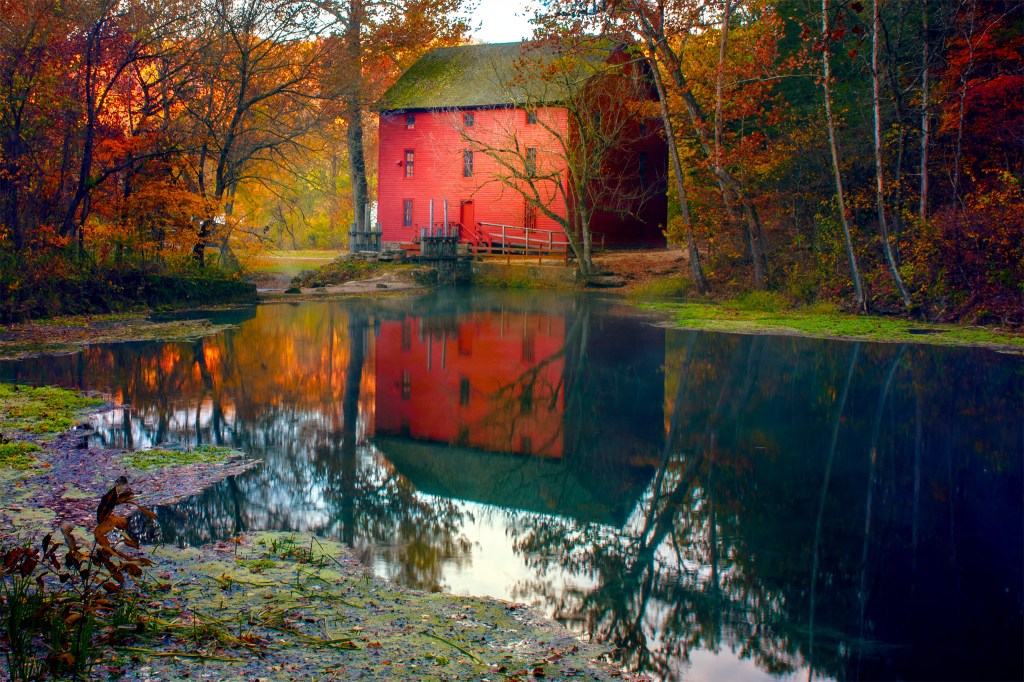
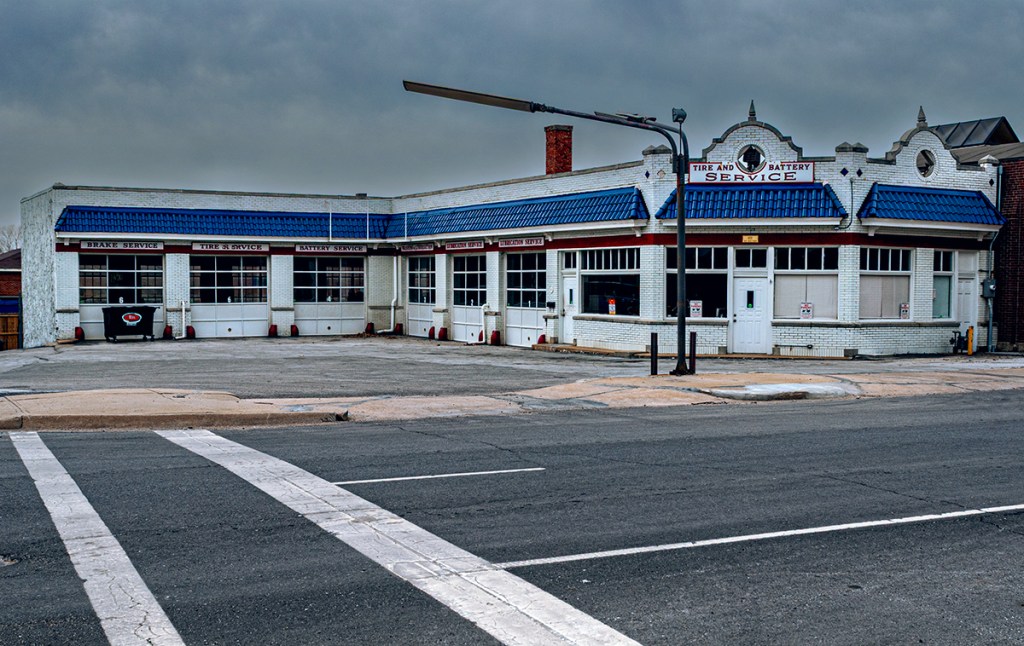
    Photographic art isn’t about merely technical capturing of a subject or scene but it is about creating an experience for the viewer. In the featured image, my goal was to give the viewer a sense of a brewing storm rising over a symbol of the past which I believe is what is happening with the current social climate, not just here in the United States but world-wide.

    Let’s create art today, we need it more than ever.

  • Converting from photographer to artist

    Converting from photographer to artist

    I am on an exhilarating journey, evolving from a mere photographer to a true artist. This path is often fraught with challenges, peppered with both fervent supporters and discerning critics. Every transformation brings with it its share of growing pains and struggles, but it is also a celebration of achievements and powerful growth. Embracing the identity of a photographic artist transcends the mere act of reconstructing reality—each of us experiences our own unique truths. Instead, it’s about conjuring a captivating mood, stirring emotion, and evoking profound feelings in the subject, all while forging a connection with the viewer. If we fail to spark that connection, the photograph or the piece of photographic art becomes a poignant reminder of a missed opportunity.

    During this exhilarating transformation process, I have wholeheartedly reimagined my workflow, discarding tools that once served me and embracing others that I had seldom, if ever, utilized. This reconfiguration of my workflow stands as the most impactful yet tantalizingly elusive step forward. My vision shimmers vividly in my mind, but the true challenge lies in harnessing the right tools and skills to breathe life into that vision and make it a reality.

    A profound lesson I’ve gleaned from this transformative journey is the exhilarating sense of growth and achievement. Engaging with fellow creatives who harbor a fiery passion for art—beyond just capturing a photograph—fuels my soul. The sheer joy of self-expression, combined with the relentless pursuit to craft something uniquely different, allows me to connect with my viewers on a deeper level, inviting them to experience the world through my eyes and feel the essence of each scene I portray.