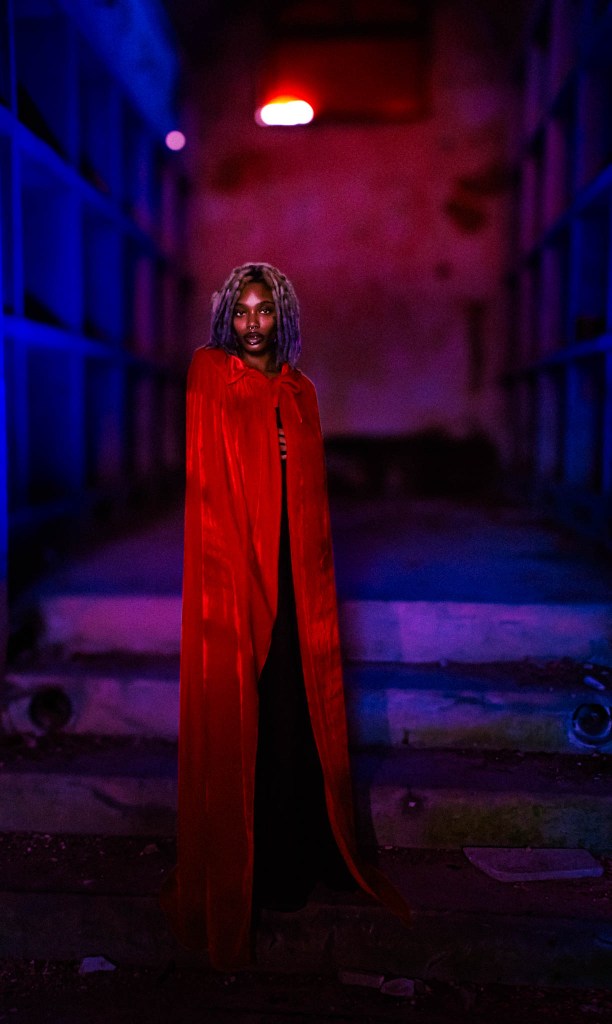

Tag: Photoshop

  • The Essence of Photography: Capturing Moments, Crafting Memories

    The Essence of Photography: Capturing Moments, Crafting Memories

    Photography is more than just a click of a button; it’s an art form that transcends time, emotion, and perspective. At its core, photography is the practice of capturing light, but in reality, it captures so much more. It encapsulates moments, memories, and emotions, preserving them for eternity. Let’s delve into the essence of photography and explore what makes this medium so profoundly impactful.

    The Art of Seeing

    Photography begins with seeing—really seeing. It’s about noticing the play of light and shadow, the harmony of colors, the intricacies of textures, and the expressions of life. A photographer’s eye is attuned to the details that others might overlook. This heightened awareness allows photographers to find beauty in the mundane and the extraordinary alike.

    Capturing Moments

    Life is a series of fleeting moments, each unique and unrepeatable. Photography has the power to freeze these moments, allowing us to revisit them long after they’ve passed. Whether it’s the joyous smile of a child, the serene beauty of a sunset, or the raw emotion of a street scene, photographs hold the essence of these experiences. They serve as time capsules, preserving the emotions and stories behind each frame.

    Storytelling Through Images

    A single photograph can tell a thousand stories. It can convey complex narratives, evoke deep emotions, and provoke thoughtful reflection. Photographers are storytellers, using their cameras as tools to communicate their vision of the world. Through composition, lighting, and subject matter, they create images that speak volumes without uttering a single word.

    The Intersection of Art and Technology

    Photography resides at the crossroads of art and technology. It demands technical proficiency with cameras and editing software, yet it also requires a creative vision and an artistic touch. The best photographers seamlessly blend these elements, using technology to enhance their artistic expression. From the early days of film to the digital revolution, photography continues to evolve, pushing the boundaries of what’s possible.

    The Emotional Connection

    Great photographs resonate on an emotional level. They connect with viewers, stirring feelings of nostalgia, joy, sadness, or wonder. This emotional connection is what makes photography so powerful. It’s not just about what we see in the image, but what we feel. A photograph can transport us to another time and place, evoking memories and emotions that are deeply personal.

    The Universality of Photography

    Photography is a universal language. It transcends cultural and linguistic barriers, allowing people from different backgrounds to connect and communicate. A powerful image can be understood and appreciated by anyone, regardless of where they come from. This universality makes photography a potent tool for social change, as it can highlight issues, raise awareness, and inspire action.

    Crafting Memories

    In the end, photography is about crafting memories. It’s about documenting the journey of life, capturing the milestones, and cherishing the small moments. Family photos, travel snapshots, candid shots of friends—these images become cherished keepsakes, telling the story of our lives. They remind us of where we’ve been, who we’ve loved, and what we’ve experienced.

    Conclusion

    The essence of photography lies in its ability to capture and convey the human experience. It’s an art form that blends technical skill with creative vision, creating images that resonate emotionally and transcend time. Whether you’re a professional photographer or an enthusiastic amateur, the magic of photography is within your grasp. So pick up your camera, open your eyes to the world around you, and start capturing the beauty, the moments, and the memories that define our lives.


  • Capturing Moments: The Art and Joy of Photography

    Capturing Moments: The Art and Joy of Photography

    Photography is more than just a hobby or profession; it’s a medium that allows us to freeze time and preserve moments that might otherwise be forgotten. Whether you’re a seasoned photographer or a novice just starting, the journey of capturing images is filled with endless opportunities for creativity and expression.

    The Essence of Photography

    At its core, photography is about storytelling. A single image can convey emotions, tell a story, or evoke memories. It’s about seeing the world through a unique lens and sharing your perspective with others. From the quiet beauty of a sunrise to the bustling energy of a city street, photographs can capture the essence of any scene.

    The Joy of Learning

    For beginners, photography might seem daunting with all its technical aspects—shutter speed, aperture, ISO, and composition. However, learning these elements is part of the joy. Experimenting with different settings and styles can be incredibly rewarding. Don’t be afraid to make mistakes; every click of the shutter is a step towards improving your craft.

    The Tools of the Trade

    While having a high-quality camera can enhance your photography, it’s not a necessity. Some of the most stunning images have been captured with smartphones. The key is to understand your equipment and how to use it to its full potential. Invest time in learning about lighting, angles, and framing your shots. Accessories like tripods, filters, and external flashes can also elevate your work.

    Finding Inspiration

    Inspiration for photography can come from anywhere. Nature, architecture, people, and even everyday objects can become subjects for your next photograph. Explore different genres such as portrait, landscape, macro, or street photography to find what resonates with you. Joining photography groups or online communities can also provide inspiration and feedback on your work.

    The Power of Post-Processing

    Post-processing is an integral part of modern photography. Tools like Adobe Lightroom and Photoshop allow photographers to enhance their images and bring their creative vision to life. Adjusting brightness, contrast, and color balance can transform a good photo into a great one. However, it’s essential to maintain a balance and avoid over-editing, which can detract from the natural beauty of the image.

    Conclusion

    Photography is a journey of continuous learning and exploration. It encourages us to see the world differently and appreciate the beauty in everyday moments. Whether you’re capturing the smile of a loved one, the grandeur of a landscape, or the vibrancy of city life, each photograph tells a story. So, grab your camera, venture out, and start capturing the world one frame at a time.

  • Photography and technology

    Photography and technology

    Photography and Technology: A Perfect Blend

    Photography has undergone a revolutionary transformation with the integration of cutting-edge technology. From the days of bulky cameras and film rolls to the era of digital marvels, the impact of technology on photography cannot be overstated.

    The marriage of photography and technology has opened up a world of possibilities for capturing breathtaking images. Whether it’s the advent of high-resolution cameras, advanced image stabilization techniques, or the convenience of cloud storage, every aspect of photography has been touched by technological innovation.

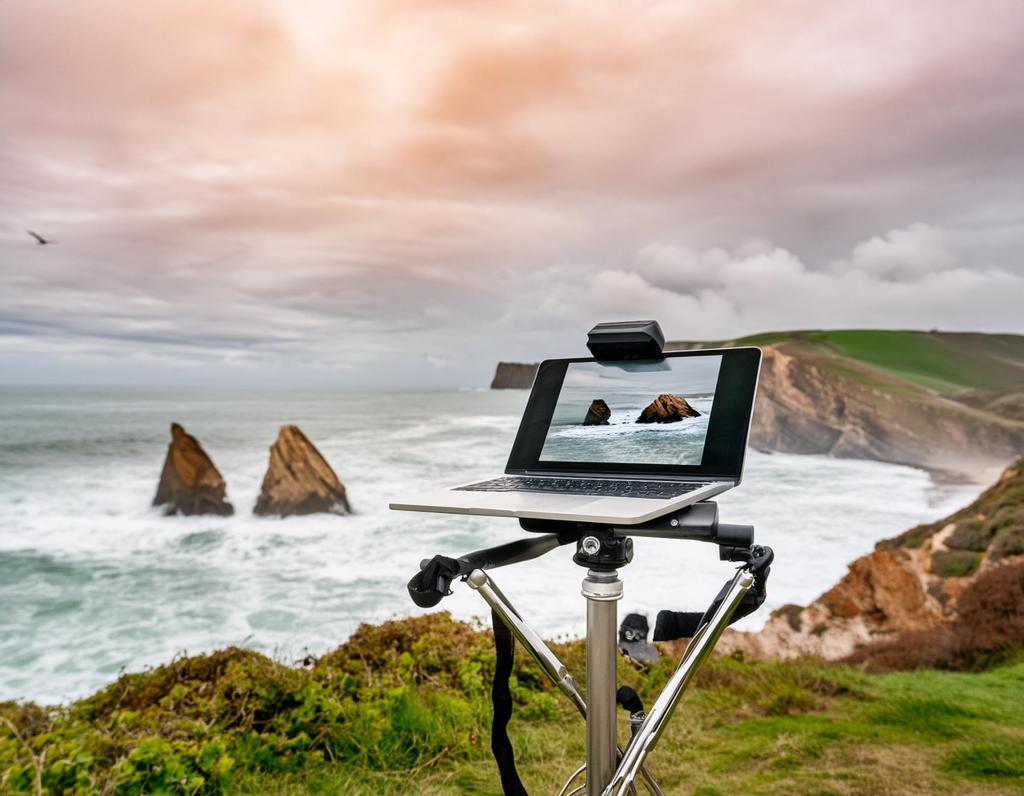
    One profound example is the fusion of photography with the latest advancements in laptops and equipment. Today, photographers can seamlessly edit, store, and share their work using state-of-the-art laptops and software. This integration not only enhances the creative process but also streamlines the workflow, allowing for efficient post-production work.

    Furthermore, the realm of photography has expanded with the use of drones, which leverage technology to capture stunning aerial shots. The advancements in drone technology have redefined photography, offering unique perspectives and pushing the boundaries of creativity.

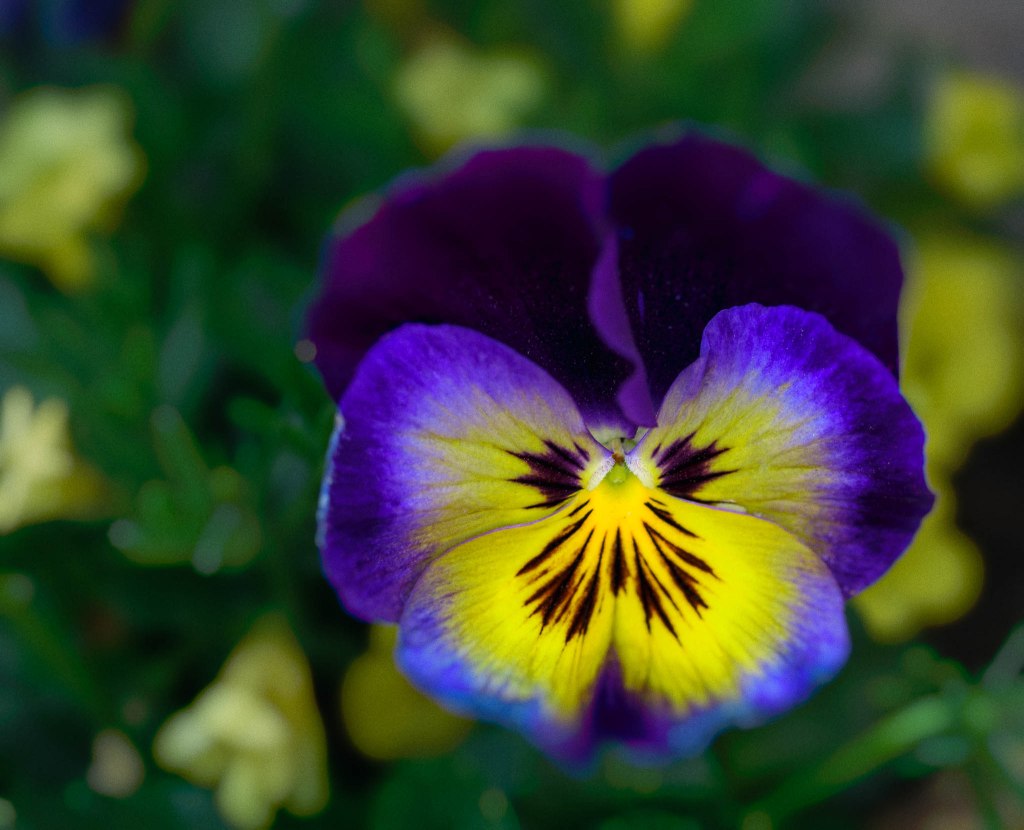
    The image referenced below encapsulates the harmonious relationship between photography and technology, portraying the mesmerizing beauty of nature captured with the aid of sophisticated equipment and expertise.

    (c)CSwatzell 2023

    In essence, the synergy between photography and technology has reshaped the art form, empowering photographers to push the limits of visual storytelling. As we embrace the advancements yet to come, one thing remains certain – the bond between photography and technology will continue to flourish, shaping the future of visual expression.

  • Photography is about vision. It’s an inspiration to see the world through your own unique perspective.

    Photography is about vision. It’s an inspiration to see the world through your own unique perspective.

    I’ve touched on this before, but it bears repeating: photography, to me, is about vision and the inspiration to view the world from my unique perspective. I think other photographers share this sentiment. It’s simple to see the world as it objectively exists—as the camera lens captures it—but is that the way our minds truly interpret a scene or subject?

    Our smartphones, with their cameras, enable us to apply filters or effects to highlight and communicate with the viewer, even if we are that viewer. I urge photographers, regardless of your level of engagement, to present the world as you envision it in your mind, not just as the camera records it.

  • Art or Not? Exploring the Boundaries of Creativity

    Art or Not? Exploring the Boundaries of Creativity

    I have set a goal to talk and think more about creating art using my photography. I understand that many photographers spend more time discussing technique and equipment than contemplating art. It’s easier to discuss equipment and technique, while art is much less clearly defined.

    As I mentioned yesterday, I often aim to infuse my photography with more artistic expression, but I frequently fall short of my intended mark. While I may grasp the message I sought to convey through a photograph, if the audience does not resonate with it, then it falls short of its intended impact. I hesitate to label it as a failure, as I believe that in art, there are no true failures but rather lessons for future works of art.

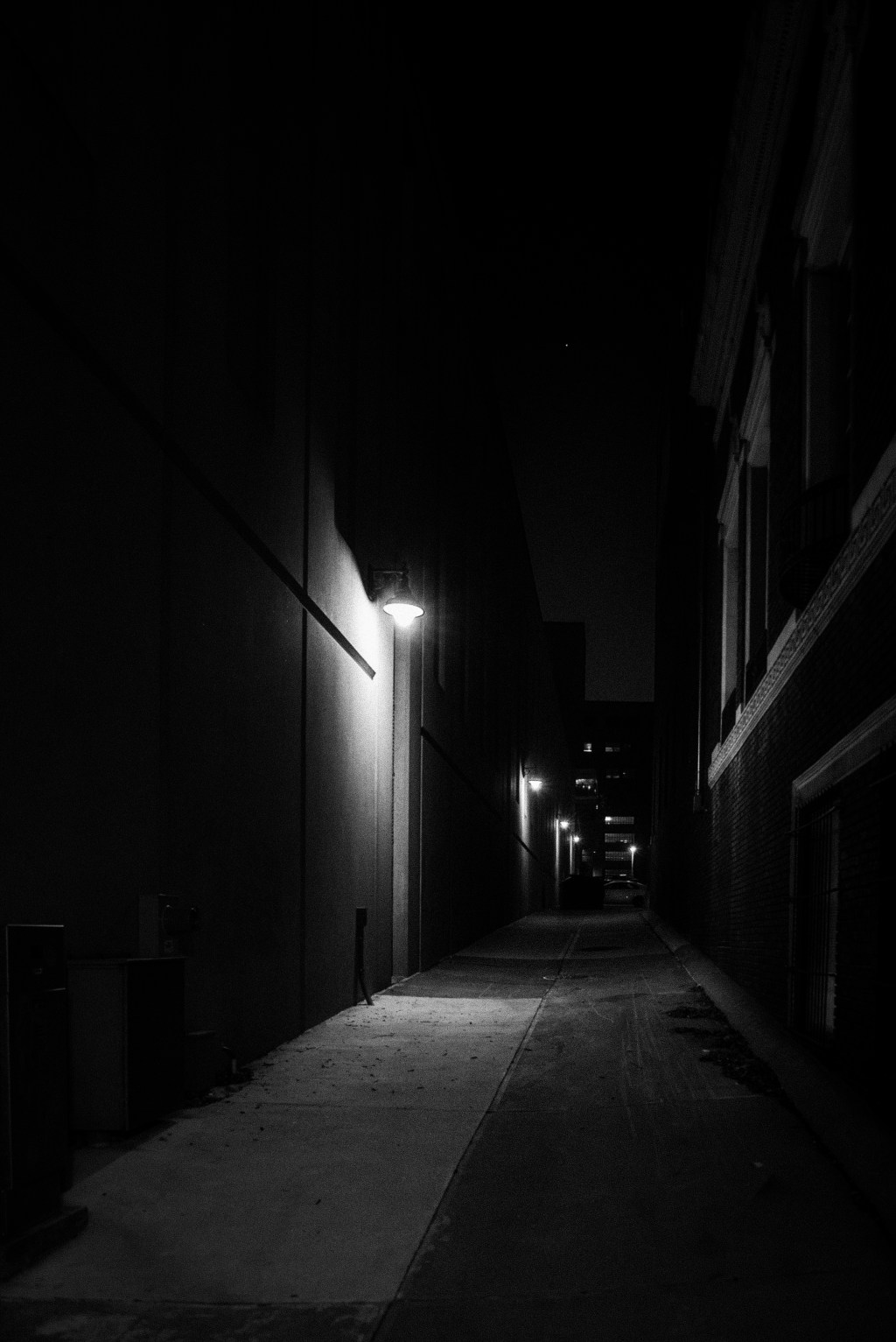
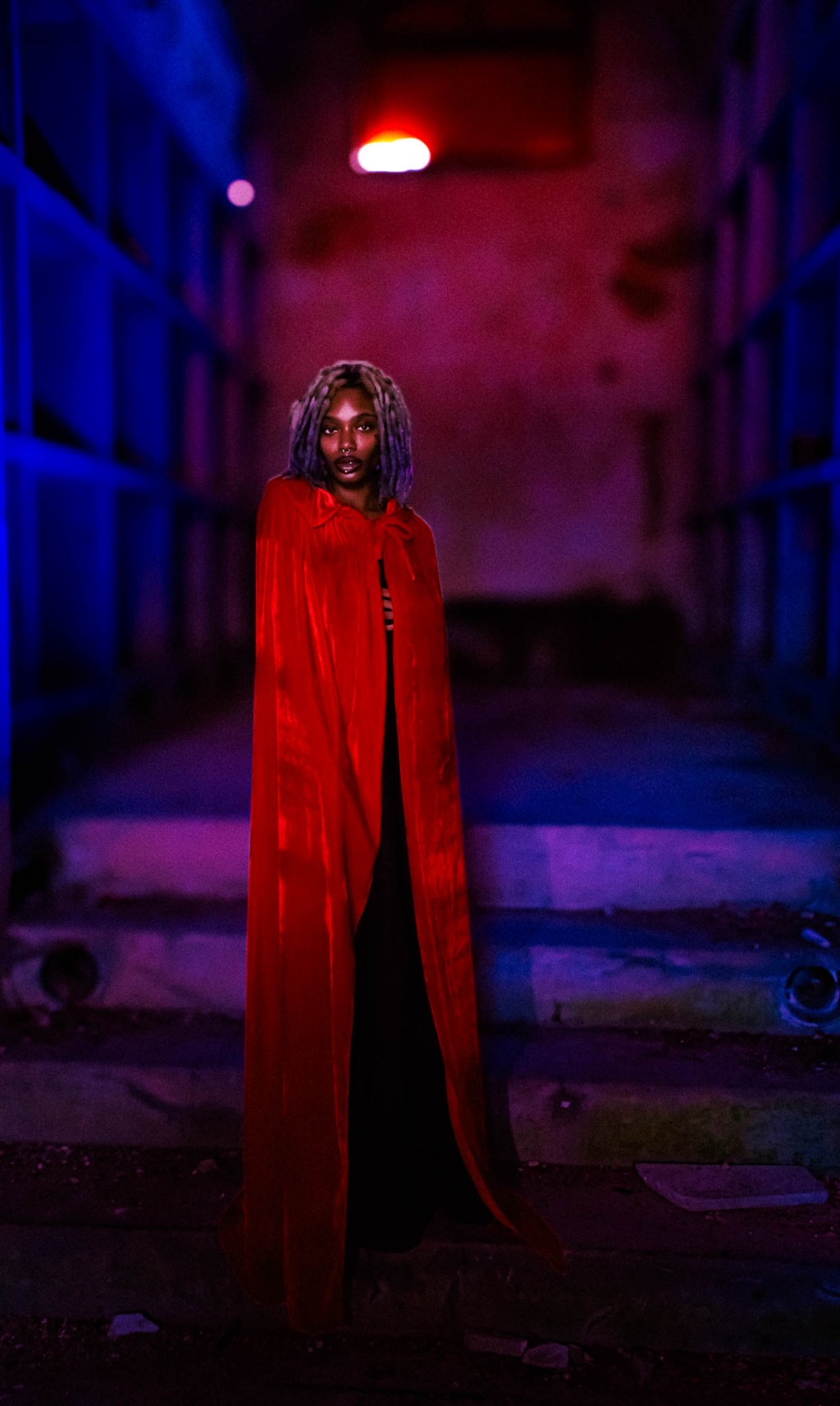
    While working with a model to create film noir looks, we were walking down an alleyway when I noticed the “star” (which I believe was the planet Venus) in the sky. This made me think about the metaphorical dark alleys we sometimes have to navigate in life, with potential dangers lurking in the shadows, to reach our goals. It may not resonate with everyone, but it left a strong impression on me at the time. What do you think about this perspective?

  • Challenges and Passion in Crafting Artful Photography

    Challenges and Passion in Crafting Artful Photography

    In the early days of photography, a photograph was scoffed at by the art world and denied the status of art. It’s hard to believe, but it wasn’t until around 1940, a whole century later, that the art world finally came to acknowledge photography’s undeniable artistry and beauty. A century of resistance couldn’t diminish the profound impact that photography would have on the art world. Not every photograph deserves to be called art, regardless of popular belief. Crafting art requires more than just capturing an image with a click.

    I often encounter challenges as I strive to create art with my photographs. Despite the frustrations that may arise, my love for photography drives me to persist. Embracing these obstacles is an integral part of my journey, and I am determined to overcome them with passion and dedication. I often face various challenges and obstacles that sometimes hinder my creative process. However, I strive to overcome these hurdles and continue creating regularly. In the past, there were very few weeks where I didn’t acquire new images to work on and create from.

    If you, like me, are facing challenges and obstacles that hold you back, remember that you are not alone. Let’s continue to inspire each other to create more art through our photography.

  • The wonder of new tools in Photography

    The wonder of new tools in Photography

    Yesterday, I discussed photographers’ grievances regarding the shift to subscription-based software, particularly Adobe products like Photoshop and Lightroom, which are part of my regular toolkit. Contrary to some opinions, there have been significant improvements in both existing tools and the addition of new ones, many powered by artificial intelligence.

    I understand that not everyone engages in the extensive processing that I apply to my photographs, and therefore, might not need the robust capabilities of programs like Photoshop or Lightroom. My aim is not merely to document but to craft art, with photography serving as my canvas.

    The featured photograph of the day was captured in 2006 with my initial digital SLR camera, the Nikon D50. At the time of taking the photo, my knowledge of post-processing digital images was rudimentary yet adventurous. Moreover, I was utilizing some quite basic software and did not transition to Photoshop until 2010. A key factor in my switch to Photoshop was its advanced features like layers and masking, which were considered powerful at the time and not widely available in other programs. This justified the steep initial cost of $800, equivalent to just over $1,100 in 2024 when adjusted for inflation. At the time, I enjoyed today’s featured photograph, but it just never really felt like it justified my memory of the scene as I perceived it.

    With the modern tools available in the latest versions of Photoshop and Lightroom, I can make adjustments more effectively and quickly than ever before. Tasks that would have taken hours using software from 2006 can now be accomplished in minutes. While change may not always be welcome, it is inevitable, occurring with or without our consent. Personally, I choose to embrace and adapt to change. The advancements in computers, software, and camera equipment grant me greater freedom as a photographic artist.

  • Words I loath in photography

    Words I loath in photography

    The specific words for me are – “pics,” “bokeh,” “tog,” and the phrase “fix in [insert name of program]” – hold different meanings and connotations for different individuals. Understandably, certain terms within the photography community can evoke strong feelings or interpretations. For instance, “bokeh” refers to the aesthetic quality of the blur produced in the out-of-focus parts of an image. While it’s a technical term, it’s also become somewhat of a buzzword in photography discussions.

    Similarly, the abbreviation “tog” for a photographer and the casual term “pics” might come across as overly informal to some. In contrast, others may see them as part of the ever-evolving language of the digital age. Additionally, the phrase “fix in [insert name of program]” could be a shorthand way of referring to the post-processing stage of photography, where editing software is used to refine and enhance images.

    It’s intriguing how language and terminology can shape our perceptions, and it’s not uncommon for certain words or expressions to carry various associations for different people. It’s clear that, for me, these particular words may either appear as a lack of understanding or as diminishing the skill and artistry of photographers. My perspective, hopefully, sheds light on the complexities of language and how it intersects with my passions and interests.

  • Reclaiming motivation

    Reclaiming motivation

    The road to reclaiming your motivation to create can be long and arduous. In September of 2023, we moved from where we had lived for 7 years. Our previous home, with its familiar surroundings and comfortable spaces, held countless memories and moments of inspiration. The decision to move was not easy and adjusting to a new environment proved challenging. As the days passed, the longing for the familiar creativity-inducing atmosphere grew stronger, but the unfamiliarity seemed to stifle the creative flow. However, amidst the struggles, small sparks of motivation began to appear. Exploring the new neighborhood, discovering local art, and meeting creative individuals slowly reignited the passion for creating. It was a gradual process, but with patience and perseverance, the joy and inspiration for creating was rediscovered. The journey was indeed long and challenging, but it ultimately led to a newfound appreciation for the creative process and the resilience to overcome obstacles.

    The return of spring and the upcoming summer season infuse me with renewed inspiration. The warmer weather and longer days are awakening my creative spirit, beckoning me to venture outdoors and reconnect with the world around me. As the world outside bursts into vibrant color and life, I feel drawn to capture these moments and translate them into creative expressions. This transition into a new season ignites a sense of rejuvenation within me, allowing my creativity to flourish once more.

  • The value of post-processing

    The value of post-processing

    It appears to me that the discussion of post-processing images is never-ending. It also appears to me that those who are against the use of tools such as Photoshop/Lightroom, or similar programs, are because of their lack of skills and ability. Post-processing isn’t always about “fixing” a photograph. It isn’t about a photographer not planning or utilizing the camera and equipment properly. The camera, cannot see as I see. 

    Post-production has existed as long, or nearly as long, as photography itself. In the past, we selected films based on how we wanted to render color, contrast, and tones. If we were good we also learned how to further enhance those qualities in our chemical darkroom using dodging and burning, unsharp masks, development times and chemicals, the selection of papers, and more development. Today’s tools take us even further without exposure to chemicals and smells. As nostalgic as those things may be. 

    To become a good or great photographer it is necessary, in my mind, to understand and utilize ALL THE TOOLS which include how to post-process the images.