Tag: Photoshop

  • No matter how far you think you have come keeping learning!

    No matter how far you think you have come keeping learning!

    I’ve used Photoshop since February 2010 and have done photography since the early 1980s. One would think that with all that experience and knowledge I would know “it all”. How far from the truth that really is.

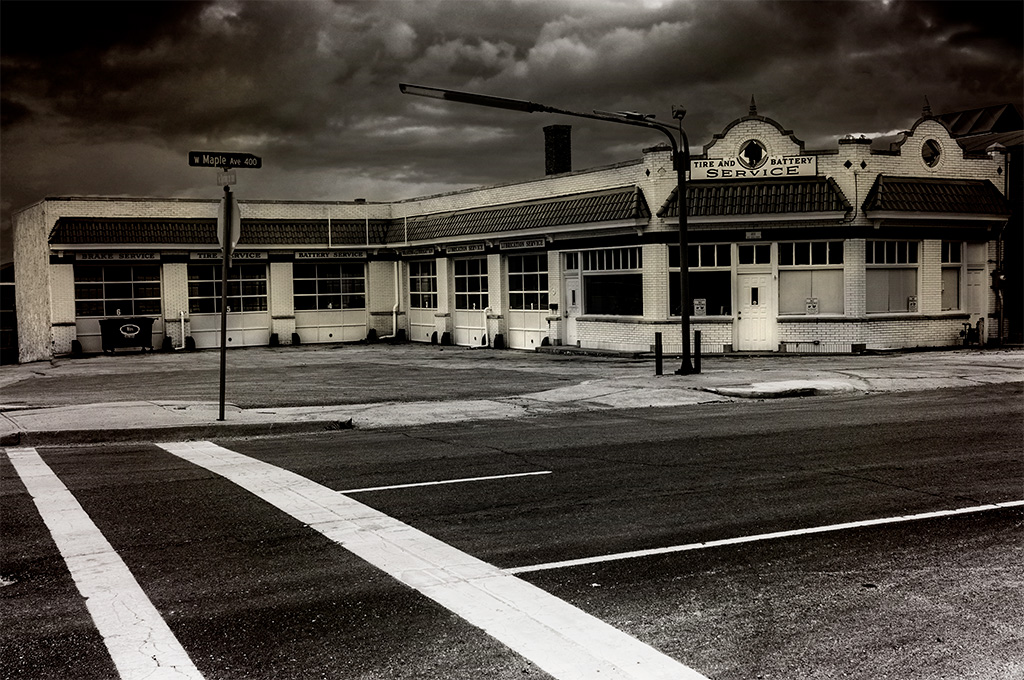
    The image above is the original edit from 2018 when the photograph was taken. Below is the 2025 version.

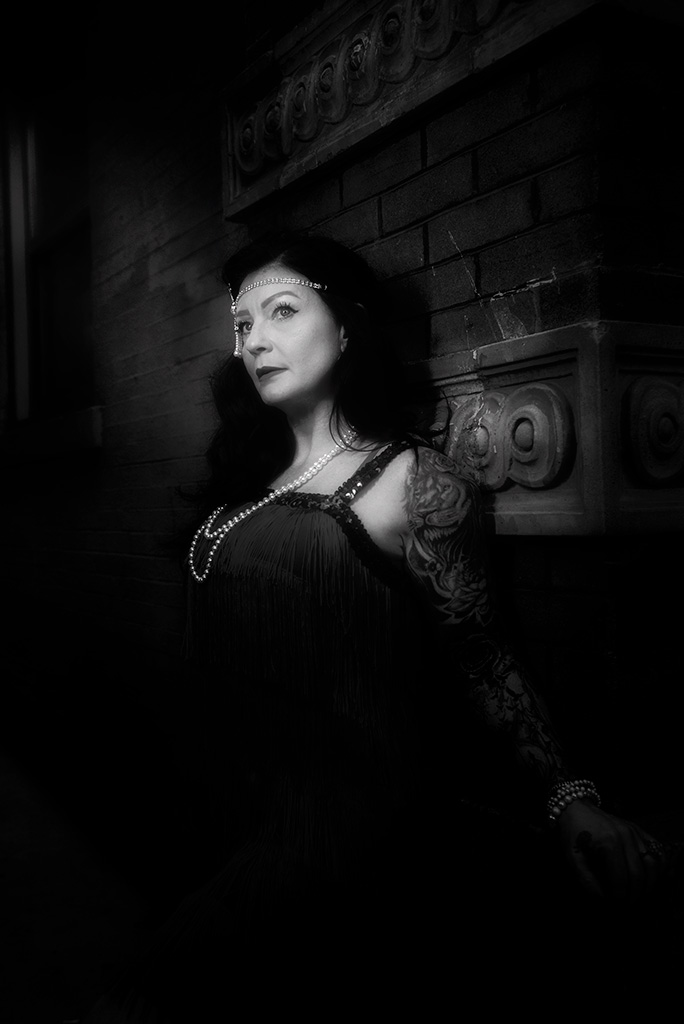
    The session was in mid-April, and it was a bit cool, with a gentle breeze cutting through the air, adding a layer of crispness to the atmosphere. It was shot in an industrial area filled with vibrant graffiti and winding alleyways that seemed to tell tales of their own. While I wasn’t taking meticulous notes of the precise emotions, feelings, and overall mood at the time, I vividly recall my desire to capture and convey a sense of cool, moody environment that was both captivating and slightly haunting. Fast forward seven years later, and through countless photography and Photoshop courses, along with a wealth of practice and inspiration from various artists, I think I may have actually learned how to convey what I had envisioned all those years ago, blending technique and artistry to bring that initial vision to life in a way I had only dreamed of at that time.

    My challenge to all artists, regardless of how long they have been creating their art or how much they believe they have learned, is to keep learning, growing, and challenging yourself to constantly expand your knowledge and skill set. Embrace the process of exploration, as each new experience provides an opportunity to refine your techniques and discover new perspectives. Engage with fellow creatives, share insights, and seek constructive feedback, for collaboration can often ignite inspiration and fuel innovation. Whether you are diving into a new medium, experimenting with different styles, or studying the works of masters, remember that the journey of artistic development is endless. By nurturing your curiosity and pushing your boundaries, you not only enhance your craft but also enrich your personal expression, ultimately leading to a more fulfilling artistic journey.

  • Photographers and artists that stop learning are failing

    Photographers and artists that stop learning are failing

    A bold statement from an old photographer that has decided to continue to learn and grow in order to become more creative and artistic. I suspect many will disagree with this statement but I’m not sure that it is something I’m going to worry about, but I encourage all to think about.

    One of the reasons I bring this up is because I haven’t written in a couple of weeks. I’ve been busy between a short trip, some out of town guests, working with an upgraded tool in Photoshop and taking a Photoshop course.

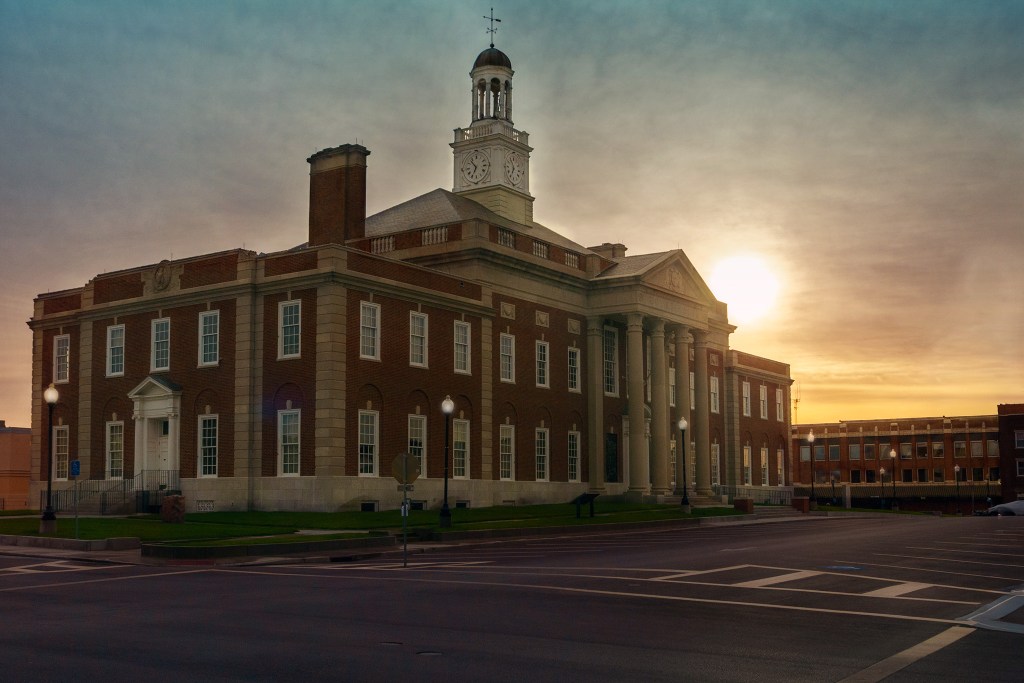
    The photograph that I have included in this post was taken a year ago while I was driving back from the Pacific Northwest. I pulled off the highway at a scenic overlook of the Columbia River. In this part of Washington State there had been some wildfires resulting in smoke in the air. This scene also had some faint clouds in the air. According to the in-camera light meter the exposure was within the acceptable range, however, when I viewed the photograph, the smoke was barely visible, and the clouds were practically invisible. When I incorporated the training and through the use of a upgraded tool those elements were as visible as they were to my eyes.

    What is unfortunate is that there are those who believe that some of the techniques I utilized render my photograph-altered artwork is not worthy of being called a photograph. Typically, this isn’t an issue that overly concerns me. What concerns is the lack of understanding and the lack of motivation by others to learn and grow. The lack of motivation to understand and learn concerns me because I believe it stagnates the progression of art and photography. Please, don’t stop learning, experimenting, pushing the boundaries of your art and photography.

  • Learn to fail before you learn to succeed

    Learn to fail before you learn to succeed

    Failure is not the opposite of art—it is its canvas.

    For every breathtaking image captured through the lens, there are countless missed shots, blurry frames, and moments of frustration. Photography, like any craft, is a journey where failure plays a pivotal role in shaping success. Here’s why you should embrace failure as a photographer and use it as your stepping stone to greatness.

    The Lessons Hidden in Failure

    Each “mistake” in photography is a lesson waiting to be learned:

    1. Out of Focus, but Full of Potential The first time you try to capture a subject in motion, you may end up with an unintentional blur. Instead of seeing it as a failure, look closer—does the motion blur tell a story? Failure often nudges you toward creative possibilities you hadn’t considered.
    2. Bad Light, Good Insight Shooting in harsh sunlight or dim interiors can result in overexposed or grainy images. These challenges push you to experiment with lighting techniques, from golden hour shooting to creative use of reflectors and strobes.
    3. Missed Composition, Nailed Vision A poorly framed shot feels disheartening, but it forces you to think about perspective, leading lines, and balance. Over time, failures refine your instinct for what makes a frame compelling.

    Why Failure is Essential in Photography

    1. It Builds Your Skillset Every misstep leads you to explore manual settings, understand the technicalities of your gear, and master the art of post-processing.
    2. It Sharpens Your Eye The more “bad” photos you take, the better your eye becomes at spotting the extraordinary in the ordinary. Failure teaches you to see what you previously overlooked.
    3. It Fosters Resilience Photography isn’t just about capturing a perfect moment—it’s about perseverance. Nature photographers might wait hours for the right light or moment. Portrait photographers often adjust endlessly for expression and mood. Each failure strengthens your resolve to keep clicking.

    Famous Photographers Who Failed First

    • Ansel Adams didn’t always capture landscapes with the precision we associate with him today. Early in his career, Adams struggled with balancing light in black-and-white photography, which led him to invent the Zone System, a revolutionary method for managing tonal range.
    • Dorothea Lange faced criticism for her emotional documentary work during the Great Depression. Yet her so-called “failures” reshaped photojournalism by placing human vulnerability at its heart.

    Tips to Embrace Failure as a Photographer

    1. Experiment Boldly Try new techniques, angles, and settings, even if they might not work. Innovation often arises from risk.
    2. Review Your Work Don’t delete your “bad” shots immediately. Analyze them. What went wrong? What went right?
    3. Welcome Feedback Join photography communities, share your work, and listen to constructive criticism. Every critique is a chance to grow.
    4. Keep Shooting Progress is in the practice. Every shot, good or bad, contributes to your growth.

    Fear of Photoshop and editing.

    I see lots of photographs every day from a wide variety of photographers, some professional and some amateurs. What I see far too often are photographs that look like every other photographer. A photograph of a beautiful colorful bird that looks like everyone else’s photogCraph of the same beautiful colorful bird.

    We often fear standing out to be different either by use of creative techniques, creative processes, or creative post processing.

    1. Creative techniques Experiment with new or different (at least to you) camera techniques. Things like shallow depth of field, deep depth of field, break the so-called “rules” of composition.
    2. Photoshop and editing When I say Photoshop I mean actual Photoshop or Photoshop like programs. I see so many photographers that just do very basic or no post-processing, often stating something similar to “real photographers don’t need that, get it right in camera”. My thoughts is “what is right”.
    3. Guide your viewer Painters create art by guiding the viewer through the painting. Similarly, as a photographer we should guide our viewers through the image and allow our subject matter to stand out.

    Failure in photography is not a barrier—it’s a rite of passage. Each misstep teaches you more about your craft, your vision, and even yourself. So, the next time you review your memory card and find more misses than hits, remember this: every failure brings you closer to capturing the image you’ve always dreamed of.

    What lessons have your photographic “failures” taught you lately? Keep clicking—you’re on your way to success. 📸

  • Photography My Way – A Journey of Expression and Discovery

    Photography My Way – A Journey of Expression and Discovery

    Photography My Way: A Journey of Expression and Discovery

    Photography is a powerful medium of expression that allows us to capture moments, emotions, and the world around us. It’s a personal journey that can be both exhilarating and daunting. As photographers, we often find ourselves in a tug-of-war between our creative vision and the vulnerability of exposing our inner thoughts through our work.

    For many, photography is not just about taking pictures; it’s a form of self-expression that conveys our unique perspective on life. It’s a silent language that speaks volumes about who we are, what we value, and how we see the world. The reluctance to share our photography can stem from a fear of judgment or criticism, or perhaps it’s the intimate connection we feel with our creations that makes them feel so personal.

    Embracing the personal aspect of photography can lead to a deeper understanding of ourselves and our craft. It’s about recognizing that each photo we take is a reflection of our emotions, experiences, and growth as artists. Whether it’s the play of light in a landscape or the candid moment of a street scene, our photographs tell a story that is uniquely ours.

    So, if you find yourself hesitant to express your feelings about your photography, remember that it’s a natural part of the creative process. It’s okay to be protective of your work, but also consider the possibility that sharing it could open doors to new perspectives, constructive feedback, and a shared experience with others who appreciate the art of photography.

    In the end, photography is a journey of discovery, not just of the world we aim to capture, but also of ourselves. It’s a continuous learning experience where each shot can teach us something new. So, take a deep breath, embrace your hesitations, and let your photography speak for itself. Who knows? You might just inspire someone else to embark on their own photographic adventure.

  • As an artist don’t let others take your color and creativity away!

    As an artist don’t let others take your color and creativity away!

    Artistic creativity is a unique and personal attribute that defines the essence of an artist’s work. It’s the spark that ignites the imagination, leading to the creation of something truly original and impactful. Whether it’s through photography, painting, writing, music, or any other form of expression, it’s important to hold onto that creative spirit. It’s what sets one apart in a world of repetition and imitation. So, cherish your artistic vision, nurture it, and let it flourish, for it’s your contribution to the tapestry of human expression. Remember, true creativity lies within and should never be overshadowed by the influence of others. We so often see others attempting to impose their artistic style upon us rather than offering inspiration and insight into their interpretation of art. It’s the individual’s perspective and interpretation that make art so diverse and extraordinary.

  • It’s not just about getting it right in camera.

    The Art Beyond the Camera

    Photography is an art form that transcends the mere act of capturing an image with a camera. It’s a process that involves a deep understanding of composition, lighting, subject matter, and the message the photographer wishes to convey. The phrase “It’s not just about getting it right in the camera” speaks volumes about the philosophy behind photography as an expressive medium.

    In the digital age, the camera is just the beginning. Post-processing plays a significant role in the creation of a photograph. Tools like Photoshop and Lightroom allow photographers to refine their images, adjust exposure, tweak colors, and even composite multiple images into a single piece of art. This process can be as simple as cropping a photo to improve its composition, or as complex as creating an entirely new world that challenges the viewer’s perception of reality.

    Moreover, the intent behind a photograph is what gives it depth. A picture might be technically perfect but lacks the emotional impact that turns a good photo into a great one. Photographers often talk about ‘capturing the moment,’ but what they are truly seeking to capture is the feeling of that moment. The context, the environment, and the photographer’s unique perspective all contribute to this.

    The art of photography also involves the physical presentation of the work. The choice of paper, the printing process, and the framing all affect how the final image is perceived. A glossy print might bring out vibrant colors, while a matte print could enhance the texture and depth of a black-and-white image.

    In essence, photography is a multifaceted art form that combines technology, creativity, and vision. It’s about using the camera as a tool to create something that resonates on a deeper level, something that stirs emotions, provokes thoughts, or tells a story. It’s about the photographer’s ability to see the extraordinary in the ordinary and share that vision with the world. It’s not just about getting it right in the camera; it’s about getting it right in the heart and mind of the beholder. Photography, therefore, is as much about the journey after the shutter is pressed as it is about the preparation leading up to that decisive moment.

  • It’s all about the art!

    It’s all about the art!

    Photography has changed for me and for the better. Photography has become more about the art rather than the technical. The technical aspects are important but with the best techniques, the camera still cannot capture what I envision. It is about the artist in the photographer to bring out something that engages the viewer, even if the viewer is just the photographer. How did this change come about? I began to listen and experiment based on one of the finest photographers I know.

    I started using Photoshop 14 years ago and actually believed I had a decent understanding of the program. Then you’re reminded of the old adage, “you don’t know what you don’t know”. The re-awaking has reminded me, don’t stop pushing yourself, don’t stop learning, don’t stop trying new things.

  • The Essence of Photography: Capturing Moments, Crafting Memories

    The Essence of Photography: Capturing Moments, Crafting Memories

    Photography is more than just a click of a button; it’s an art form that transcends time, emotion, and perspective. At its core, photography is the practice of capturing light, but in reality, it captures so much more. It encapsulates moments, memories, and emotions, preserving them for eternity. Let’s delve into the essence of photography and explore what makes this medium so profoundly impactful.

    The Art of Seeing

    Photography begins with seeing—really seeing. It’s about noticing the play of light and shadow, the harmony of colors, the intricacies of textures, and the expressions of life. A photographer’s eye is attuned to the details that others might overlook. This heightened awareness allows photographers to find beauty in the mundane and the extraordinary alike.

    Capturing Moments

    Life is a series of fleeting moments, each unique and unrepeatable. Photography has the power to freeze these moments, allowing us to revisit them long after they’ve passed. Whether it’s the joyous smile of a child, the serene beauty of a sunset, or the raw emotion of a street scene, photographs hold the essence of these experiences. They serve as time capsules, preserving the emotions and stories behind each frame.

    Storytelling Through Images

    A single photograph can tell a thousand stories. It can convey complex narratives, evoke deep emotions, and provoke thoughtful reflection. Photographers are storytellers, using their cameras as tools to communicate their vision of the world. Through composition, lighting, and subject matter, they create images that speak volumes without uttering a single word.

    The Intersection of Art and Technology

    Photography resides at the crossroads of art and technology. It demands technical proficiency with cameras and editing software, yet it also requires a creative vision and an artistic touch. The best photographers seamlessly blend these elements, using technology to enhance their artistic expression. From the early days of film to the digital revolution, photography continues to evolve, pushing the boundaries of what’s possible.

    The Emotional Connection

    Great photographs resonate on an emotional level. They connect with viewers, stirring feelings of nostalgia, joy, sadness, or wonder. This emotional connection is what makes photography so powerful. It’s not just about what we see in the image, but what we feel. A photograph can transport us to another time and place, evoking memories and emotions that are deeply personal.

    The Universality of Photography

    Photography is a universal language. It transcends cultural and linguistic barriers, allowing people from different backgrounds to connect and communicate. A powerful image can be understood and appreciated by anyone, regardless of where they come from. This universality makes photography a potent tool for social change, as it can highlight issues, raise awareness, and inspire action.

    Crafting Memories

    In the end, photography is about crafting memories. It’s about documenting the journey of life, capturing the milestones, and cherishing the small moments. Family photos, travel snapshots, candid shots of friends—these images become cherished keepsakes, telling the story of our lives. They remind us of where we’ve been, who we’ve loved, and what we’ve experienced.

    Conclusion

    The essence of photography lies in its ability to capture and convey the human experience. It’s an art form that blends technical skill with creative vision, creating images that resonate emotionally and transcend time. Whether you’re a professional photographer or an enthusiastic amateur, the magic of photography is within your grasp. So pick up your camera, open your eyes to the world around you, and start capturing the beauty, the moments, and the memories that define our lives.

  • Capturing Moments: The Art and Joy of Photography

    Capturing Moments: The Art and Joy of Photography

    Photography is more than just a hobby or profession; it’s a medium that allows us to freeze time and preserve moments that might otherwise be forgotten. Whether you’re a seasoned photographer or a novice just starting, the journey of capturing images is filled with endless opportunities for creativity and expression.

    The Essence of Photography

    At its core, photography is about storytelling. A single image can convey emotions, tell a story, or evoke memories. It’s about seeing the world through a unique lens and sharing your perspective with others. From the quiet beauty of a sunrise to the bustling energy of a city street, photographs can capture the essence of any scene.

    The Joy of Learning

    For beginners, photography might seem daunting with all its technical aspects—shutter speed, aperture, ISO, and composition. However, learning these elements is part of the joy. Experimenting with different settings and styles can be incredibly rewarding. Don’t be afraid to make mistakes; every click of the shutter is a step towards improving your craft.

    The Tools of the Trade

    While having a high-quality camera can enhance your photography, it’s not a necessity. Some of the most stunning images have been captured with smartphones. The key is to understand your equipment and how to use it to its full potential. Invest time in learning about lighting, angles, and framing your shots. Accessories like tripods, filters, and external flashes can also elevate your work.

    Finding Inspiration

    Inspiration for photography can come from anywhere. Nature, architecture, people, and even everyday objects can become subjects for your next photograph. Explore different genres such as portrait, landscape, macro, or street photography to find what resonates with you. Joining photography groups or online communities can also provide inspiration and feedback on your work.

    The Power of Post-Processing

    Post-processing is an integral part of modern photography. Tools like Adobe Lightroom and Photoshop allow photographers to enhance their images and bring their creative vision to life. Adjusting brightness, contrast, and color balance can transform a good photo into a great one. However, it’s essential to maintain a balance and avoid over-editing, which can detract from the natural beauty of the image.

    Conclusion

    Photography is a journey of continuous learning and exploration. It encourages us to see the world differently and appreciate the beauty in everyday moments. Whether you’re capturing the smile of a loved one, the grandeur of a landscape, or the vibrancy of city life, each photograph tells a story. So, grab your camera, venture out, and start capturing the world one frame at a time.

  • Photography and technology

    Photography and technology

    Photography and Technology: A Perfect Blend

    Photography has undergone a revolutionary transformation with the integration of cutting-edge technology. From the days of bulky cameras and film rolls to the era of digital marvels, the impact of technology on photography cannot be overstated.

    The marriage of photography and technology has opened up a world of possibilities for capturing breathtaking images. Whether it’s the advent of high-resolution cameras, advanced image stabilization techniques, or the convenience of cloud storage, every aspect of photography has been touched by technological innovation.

    One profound example is the fusion of photography with the latest advancements in laptops and equipment. Today, photographers can seamlessly edit, store, and share their work using state-of-the-art laptops and software. This integration not only enhances the creative process but also streamlines the workflow, allowing for efficient post-production work.

    Furthermore, the realm of photography has expanded with the use of drones, which leverage technology to capture stunning aerial shots. The advancements in drone technology have redefined photography, offering unique perspectives and pushing the boundaries of creativity.

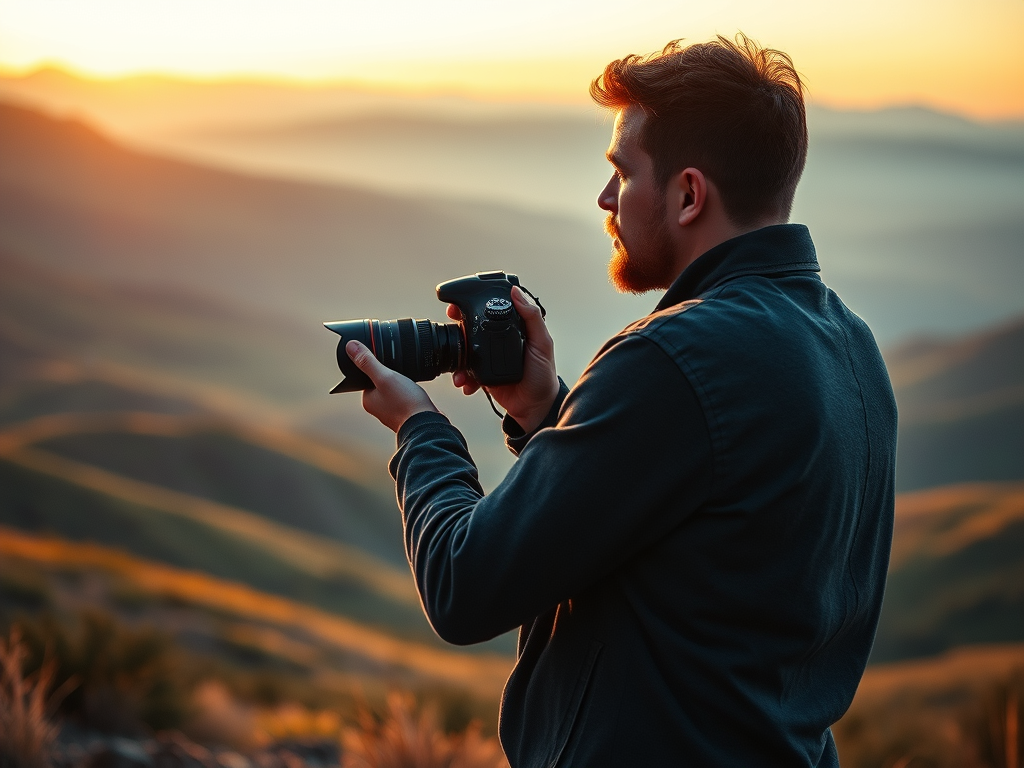
    The image referenced below encapsulates the harmonious relationship between photography and technology, portraying the mesmerizing beauty of nature captured with the aid of sophisticated equipment and expertise.

    (c)CSwatzell 2023

    In essence, the synergy between photography and technology has reshaped the art form, empowering photographers to push the limits of visual storytelling. As we embrace the advancements yet to come, one thing remains certain – the bond between photography and technology will continue to flourish, shaping the future of visual expression.