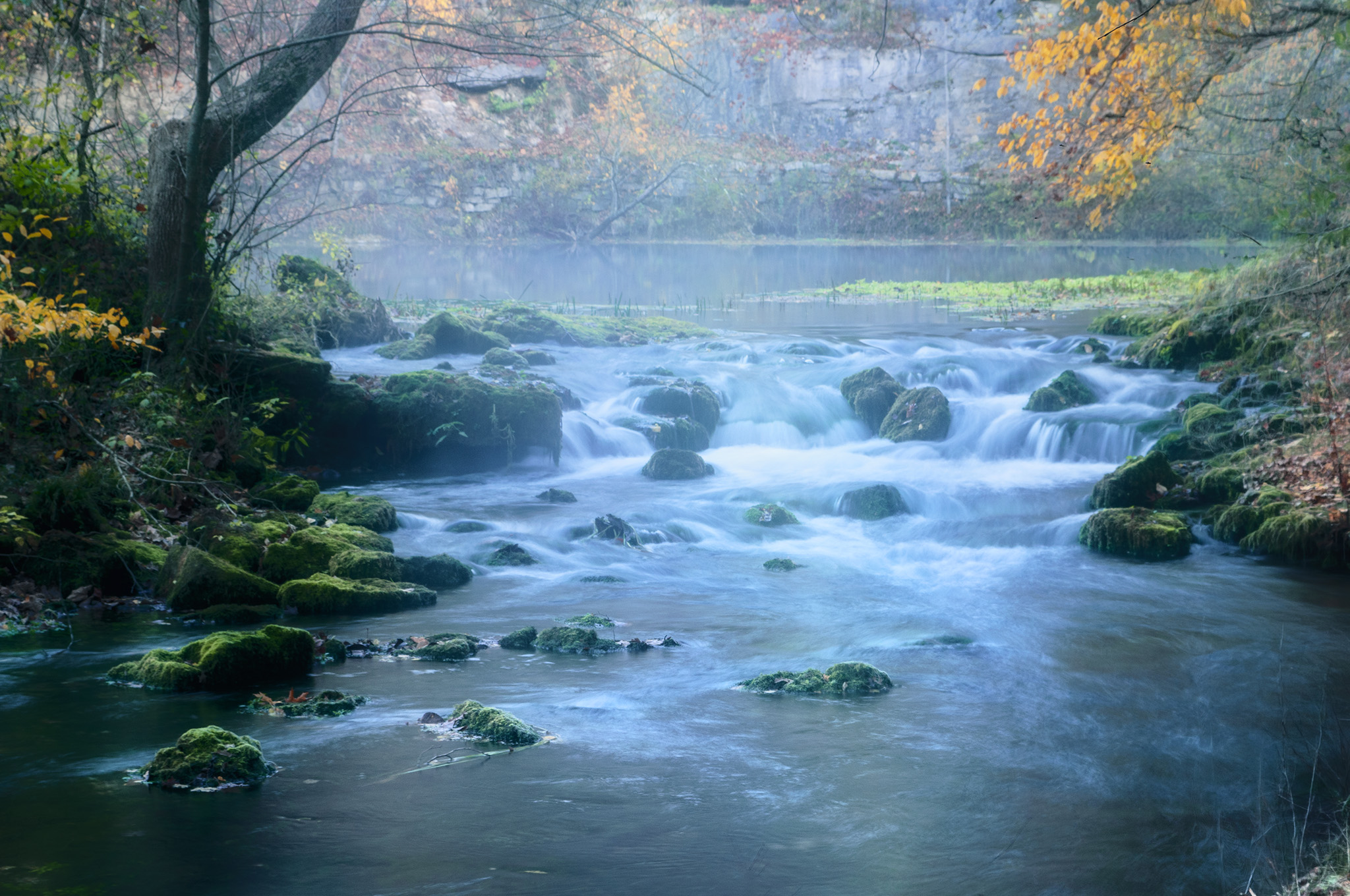

The Introduction: A Shift in Perspective
True artistic evolution rarely hinges on a single, lightning-bolt photograph. For me, the profound shift in perspective came from rooting myself in a community of dedicated creators and finding a guiding voice. That journey began when I connected with my mentor, Blake Rudis of f.64 Elite. Despite having navigated Photoshop for over a decade, his guidance exposed a humbling truth: I had only been scratching the surface of my digital darkroom. Infinite scrolling through bite-sized video tutorials can teach you quick tricks, but it cannot cultivate your voice or give you a true framework for your art. The real paradigm shift—the moment the blinders came off—ignited during the Discovering Your Vision course. It was there that I stopped merely operating software and finally began to see the boundless potential of my own work.
A camera doesn’t make art; the person holding it does. Today’s post is about a massive paradigm shift in my creative life. I’m pulling back the curtain on how I evolved from being a photographer who captures scenes into an artist who uses a camera to deliberately build and craft my art.
My journey didn’t start yesterday. It began in 1982 with the mechanical click of a 35mm film camera. I spent years steeped in the slow magic of the darkroom before boldly leaping into the digital frontier in 2005. For over four decades, I have relentlessly pursued technical mastery—internalizing the nuances of shutter speeds, dialing in exact apertures, and studying the rigid rules of composition. But those 40 years of rigorous study weren’t just about learning the mechanics of a machine; they were about building an unshakeable foundation so I could finally set my artistry free.
The Transition
Immersed in the Discovering Your Vision coursework and fueled by the insights of my mentor and a close-knit group of fellow artists, I experienced a true paradigm shift. The revelation was striking: the conventional rules I had relied on for decades were simply too vague. They lacked the deliberate, structural intention needed to truly anchor a viewer’s attention. I recognized that to elevate my work into fine art, I had to abandon abstract guidelines. Instead, I needed to become the architect of the image—intentionally directing the viewer’s gaze to the exact moments of light, shadow, and emotion I wanted them to experience.
The coursework at f.64 Elite ignited a crucial shift in my approach: I stopped chasing quantity and started demanding intentionality. I realized that making impactful art requires stepping out with a deliberate, yet adaptable, plan. It is about so much more than what the lens sees. It is about actively tuning into your own inner landscape—recording your mindset, honoring your emotions, and absorbing the symphony of sounds and smells around you, so you can weave those rich, sensory memories directly into the fabric of your final piece.
Becoming a Fine-Art Photographic Artist
I have come to realize that ascending to the level of a fine-art photographic artist requires pouring your very soul and vision into the work. It is no longer about merely “fixing” technical flaws in post-production; it is about translating the raw emotion of a landscape and extending a profound invitation to the viewer. I want them to stand where I stood, to feel the atmosphere, and to experience the awe of that exact moment. The digital file we capture is nothing more than a modern-day negative—a starting point. Transforming that raw data into a finished masterpiece requires a deliberate plan for the emotional journey you want your audience to take. Ultimately, the greatest transformation happens within: it is the empowering, mental shift of shedding the title of “photographer” and bravely stepping into your true identity as an artist.
The journey ahead and your call to action
As my artistic voice has matured, I find myself drawn back to projects I began years ago. These past works were never abandoned; they were simply waiting for me to catch up to my own aspirations. Now equipped with the ability to truly tap into my vision—to weave my raw emotions into the frame and connect deeply with the viewer—I can finally transform those early captures into the art I always knew they could be. This newfound clarity is the compass for both my reimagined past and my unwritten future.
I invite you to walk this path with me. Follow my journey here and on my upcoming podcast, but more importantly, let this be the moment you step into your own potential. Join me, awaken the artist within, unleash your untapped talent, and boldly create the art you have always dreamed of.


Leave a Reply