Why Vision Matters More Than Location
One of the most common misconceptions in photography is that great photographs come from great places. We chase iconic overlooks, famous waterfalls, dramatic coastlines, and mountain peaks, believing that standing where another photographer stood will somehow allow us to make the same photograph.
It never does.
The location may be identical. The light may even be similar. Yet two photographers can stand shoulder to shoulder, look in exactly the same direction, and come away with entirely different images. Neither photograph is necessarily better. They are simply evidence that no two people ever truly see the same landscape.
This realization changed the way I think about photography.
For years I believed that seeing was mostly about observation. Learn composition. Understand light. Practice enough, and eventually your eye becomes trained. While those things certainly matter, they are only part of the story. What ultimately shapes a photograph is not just what enters your eyes, but everything that already exists within you.
Every photograph begins long before the camera is raised.
Our experiences quietly influence what attracts our attention. Childhood memories, places we’ve lived, books we’ve read, people we’ve loved, hardships we’ve endured, even the music we listen to all become part of our visual vocabulary. They influence what feels significant and what fades unnoticed into the background.
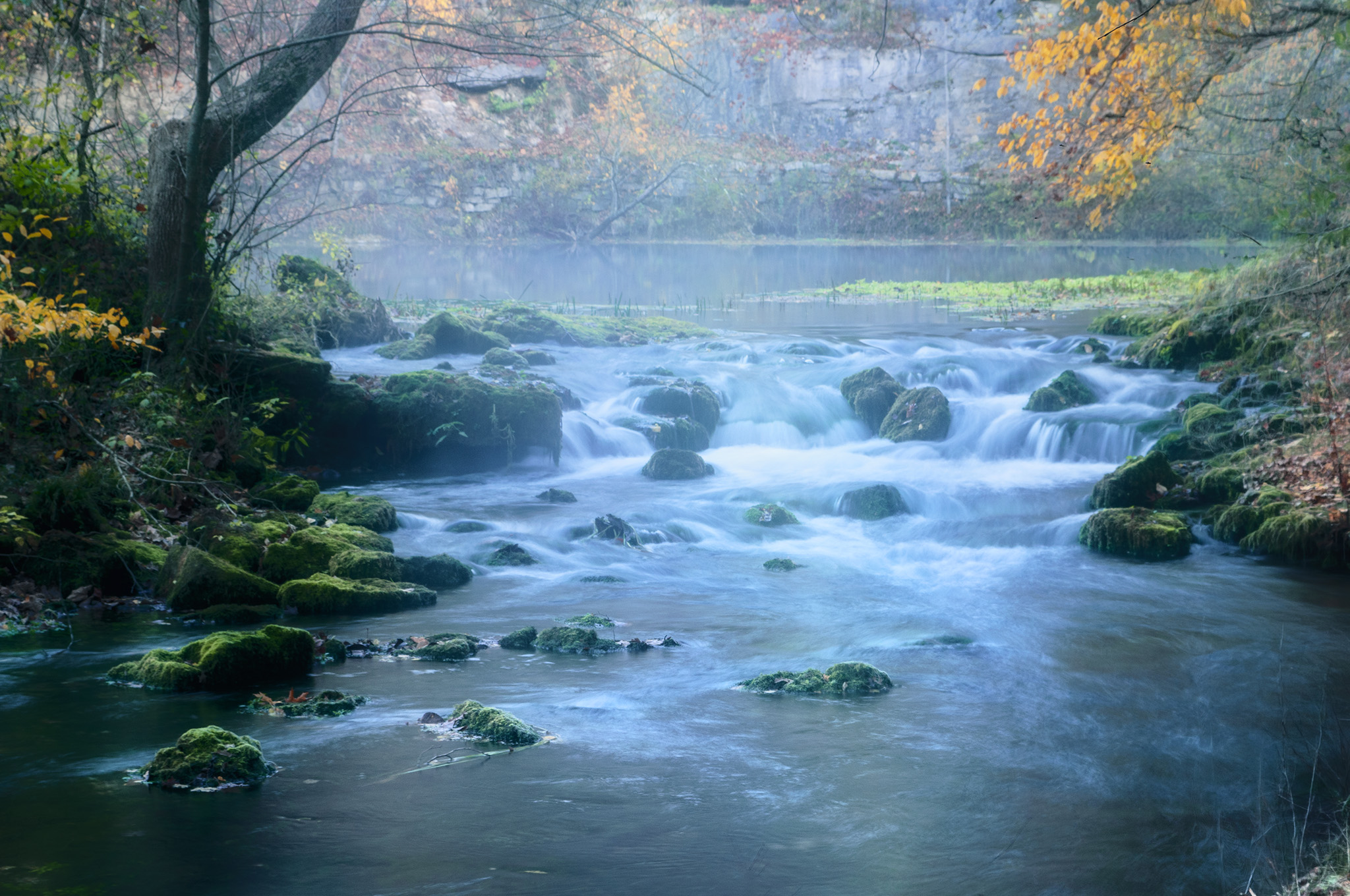
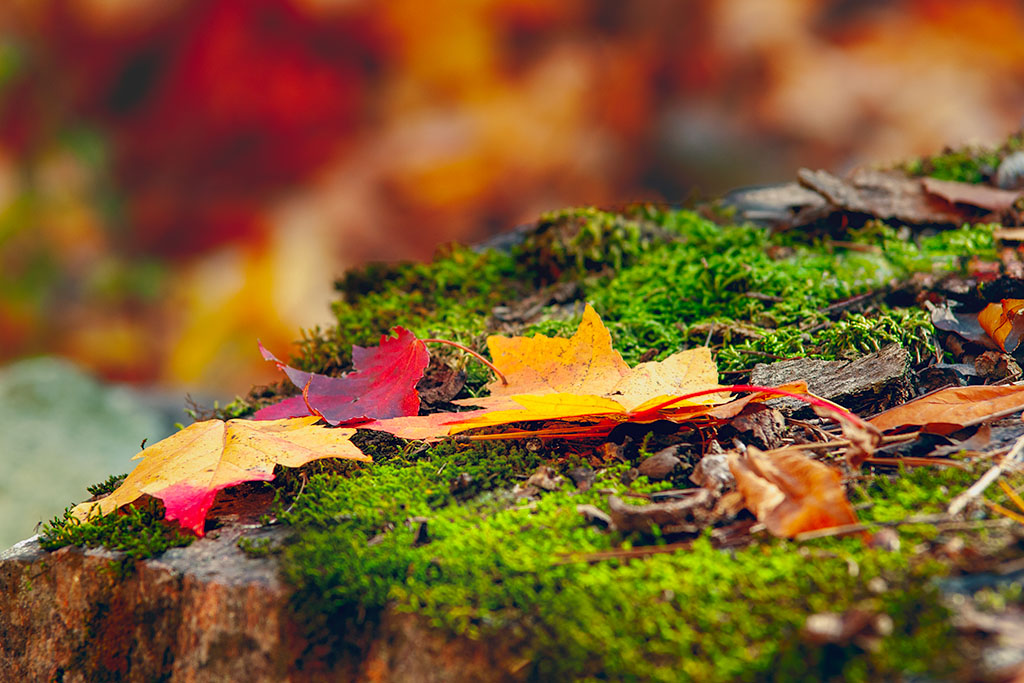
When I walk through a forest, I am not simply seeing trees. I am seeing years of wandering quiet trails, mornings spent watching light move across leaves, moments of reflection that have become attached to these places. Another photographer may notice the grandeur of towering trunks while I become fascinated by the delicate way moss catches the morning light. We occupy the same space, yet inhabit entirely different landscapes.
The camera records only what stands before it.
The photographer records what stands within them.
This is one reason imitation rarely produces meaningful work. We can copy another photographer’s composition, replicate their editing style, and even visit the exact location under nearly identical conditions. Yet something remains missing because we are borrowing someone else’s way of seeing rather than expressing our own.
Style can be imitated.
Vision cannot.
The Lakota philosophy of Mitákuye Oyás’iŋ—all my relations—offers another way to understand this. Interconnectedness is not limited to the relationships within the landscape itself. It also includes the relationship between the landscape and the observer. We are not detached witnesses looking at nature from the outside. We arrive carrying our own history, emotions, and understanding of the world. The photograph becomes the meeting place where those two realities intersect.
The landscape speaks.
The photographer answers.
Neither exists independently of the other.
This perspective also explains why our photographs change over time even when we revisit familiar places. The oak tree we photographed ten years ago has changed, but so have we. New experiences alter the questions we ask and the things we notice. A place that once inspired us through dramatic light may later captivate us through quiet textures or subtle patterns. The landscape has evolved, but so has the person standing before it.
Looking back through old photographs often reveals more about the photographer than the subject.
They become visual journals documenting not only where we traveled, but who we were.
For me, this realization removes much of the pressure to create something unique. Originality is often treated as though it requires inventing something no one has ever seen before. In reality, originality comes from seeing honestly. Since no one has lived your life, no one else possesses your exact collection of memories, experiences, and relationships. If you photograph from that authentic place, your work will naturally become personal.
The goal is not to see differently for the sake of being different.
The goal is to see truthfully.
When photographers ask how to develop their artistic voice, they often expect answers involving editing techniques, specialized lenses, or creative exercises. Those things may help refine expression, but they cannot create vision. Vision grows through paying attention—not only to the world around us, but also to the experiences that shape how we respond to it.
The more deeply we understand ourselves, the more honestly we can understand the landscape.
And perhaps that is the quiet gift photography offers us.
Every walk becomes both an exploration of the world and an exploration of ourselves.
The photograph is where those two journeys meet.
Featured Photograph

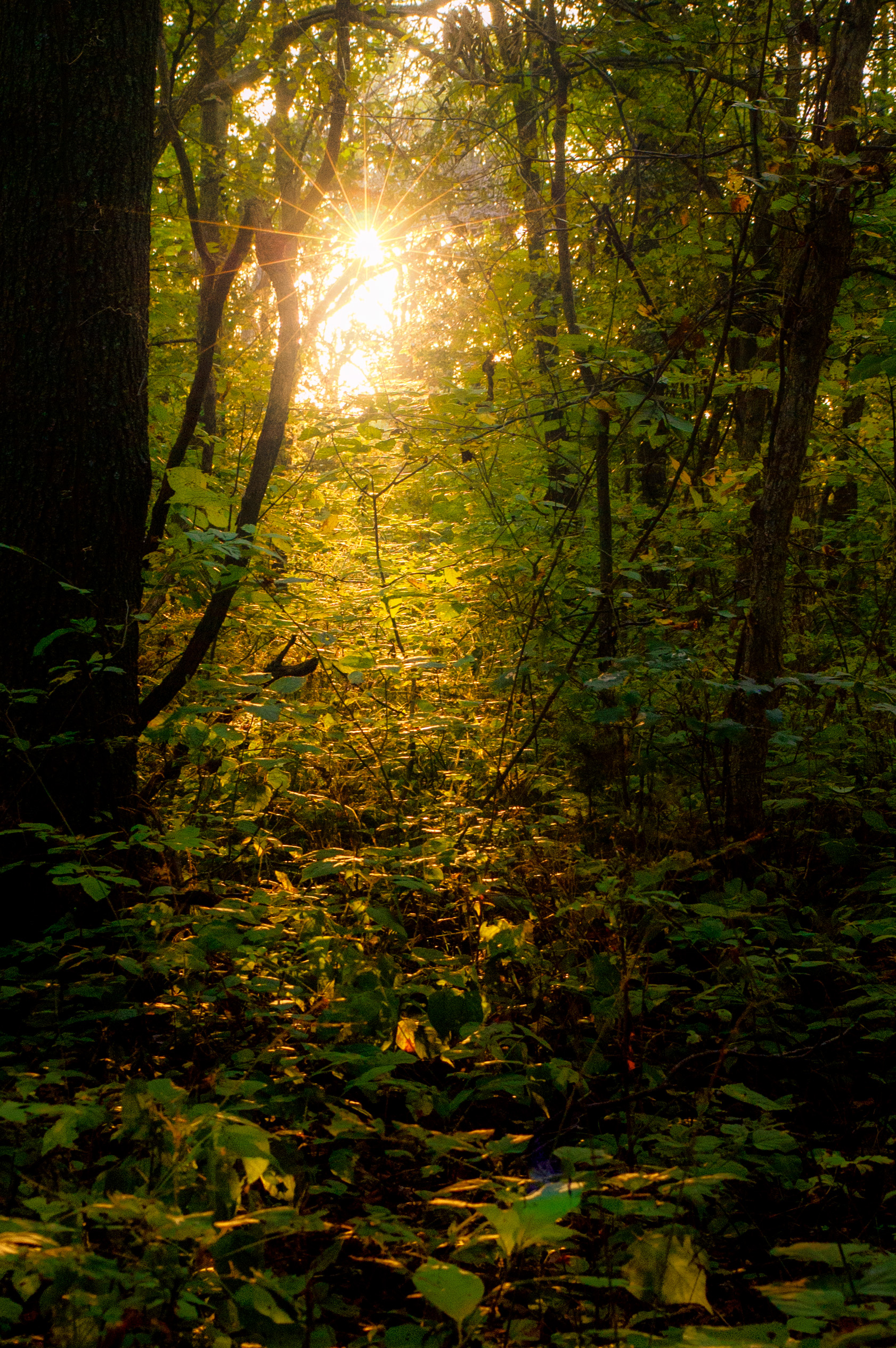
A shaft of morning sunlight filters through an ordinary woodland. Nothing in the scene is inherently spectacular, yet the interaction of light, shadow, and layered vegetation transforms a common place into a personal experience. The image reminds us that what distinguishes one photographer from another is not where they stand, but what they are prepared to notice.