Tag: Photoshop

  • We don’t have to accept the standard in art

    We don’t have to accept the standard in art

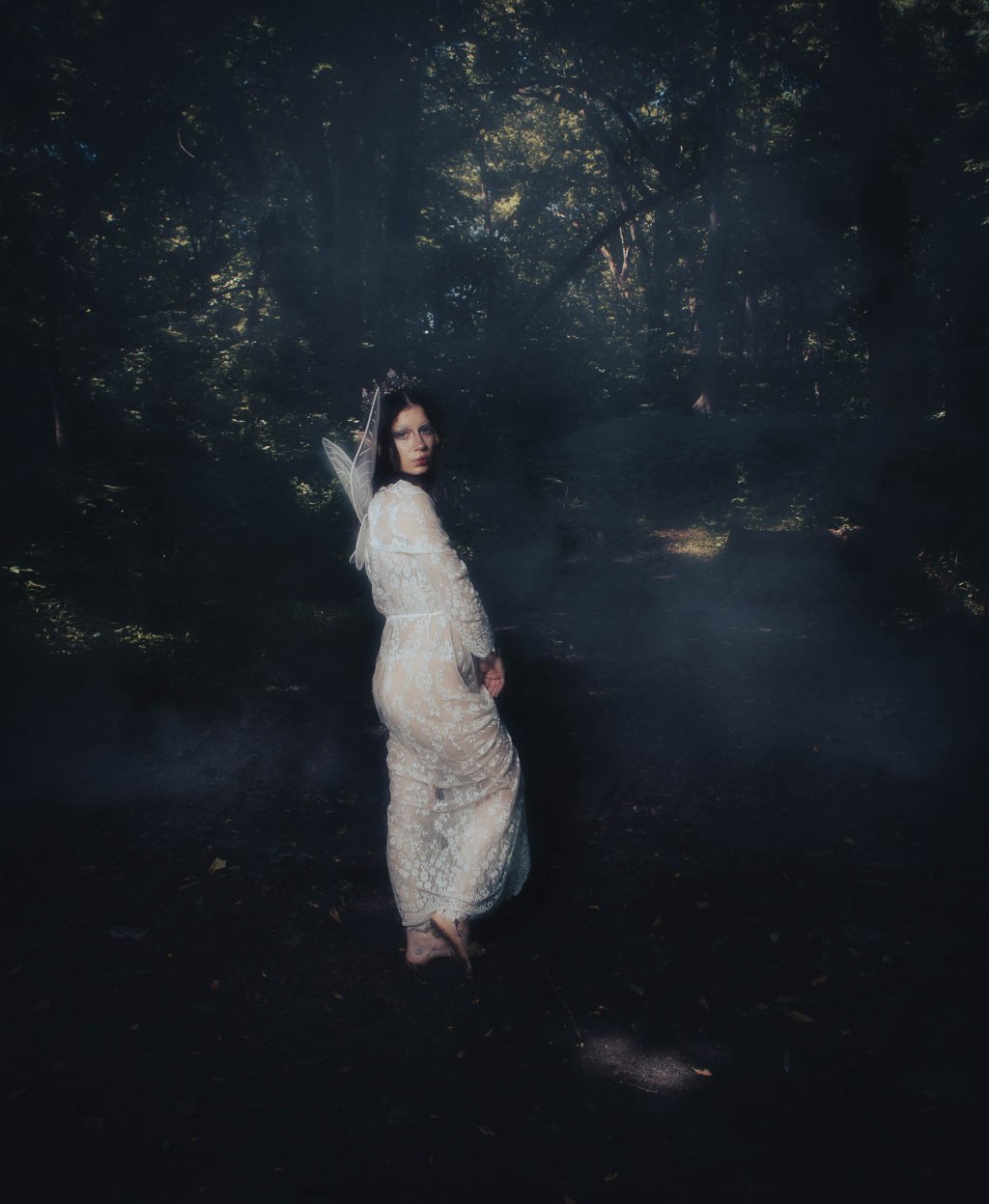
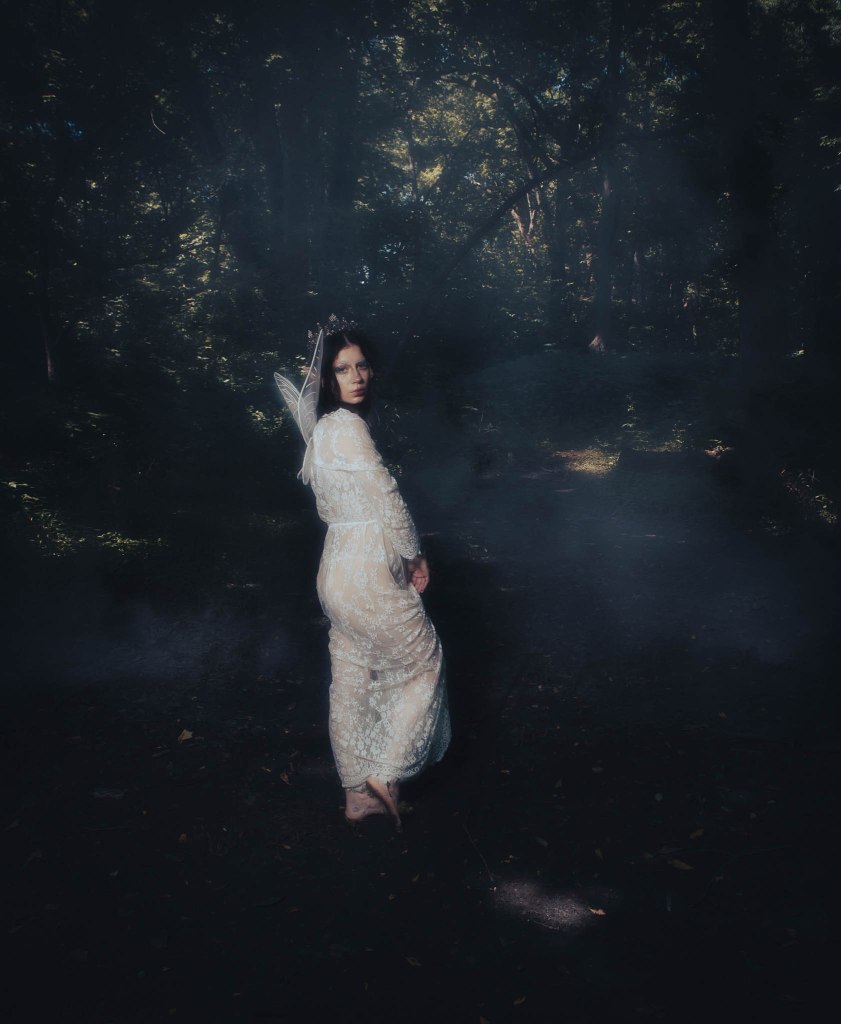
    One of the best things I like about working to create art with my photography is that I don’t have to accept the standard rendering of my photography. Standard can work for some things but sometimes you see an object or scene and think that could be interesting given the proper development and “rendering”.
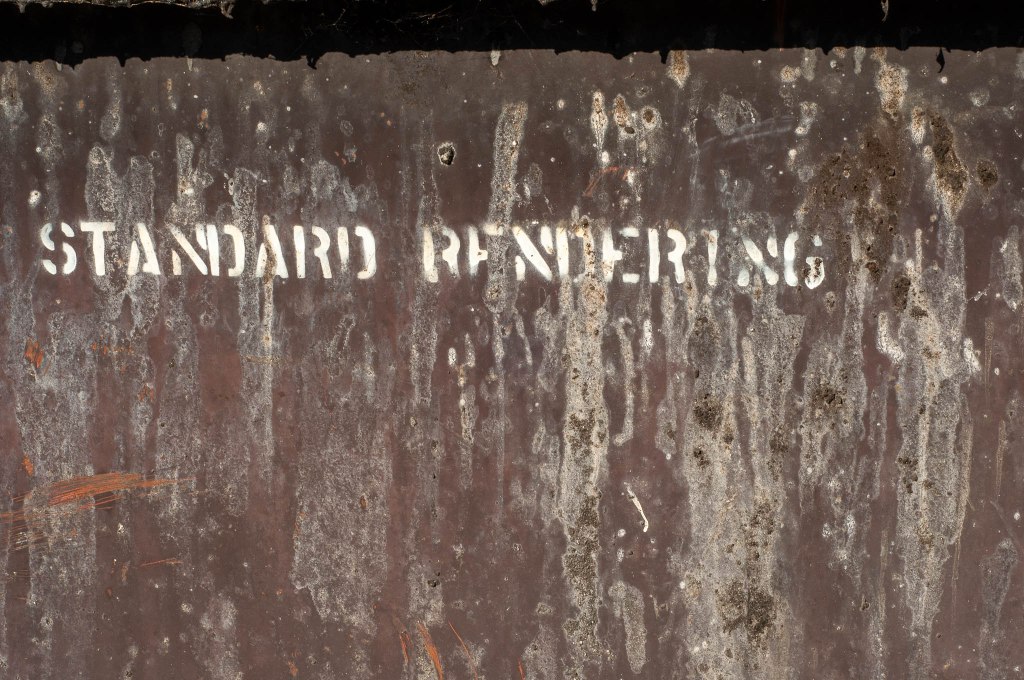
    I was wandering the back alleys a couple of years ago when I happened upon a grease dumpster behind a restaurant. When I saw it I was captivated by the textures and the lettering. The subject itself, as you can see from the original, “standard rendering”, is well quite unappealing.

    Give the same image a bit of development and render it differently it becomes almost abstract. I have found this to be so with many subjects.
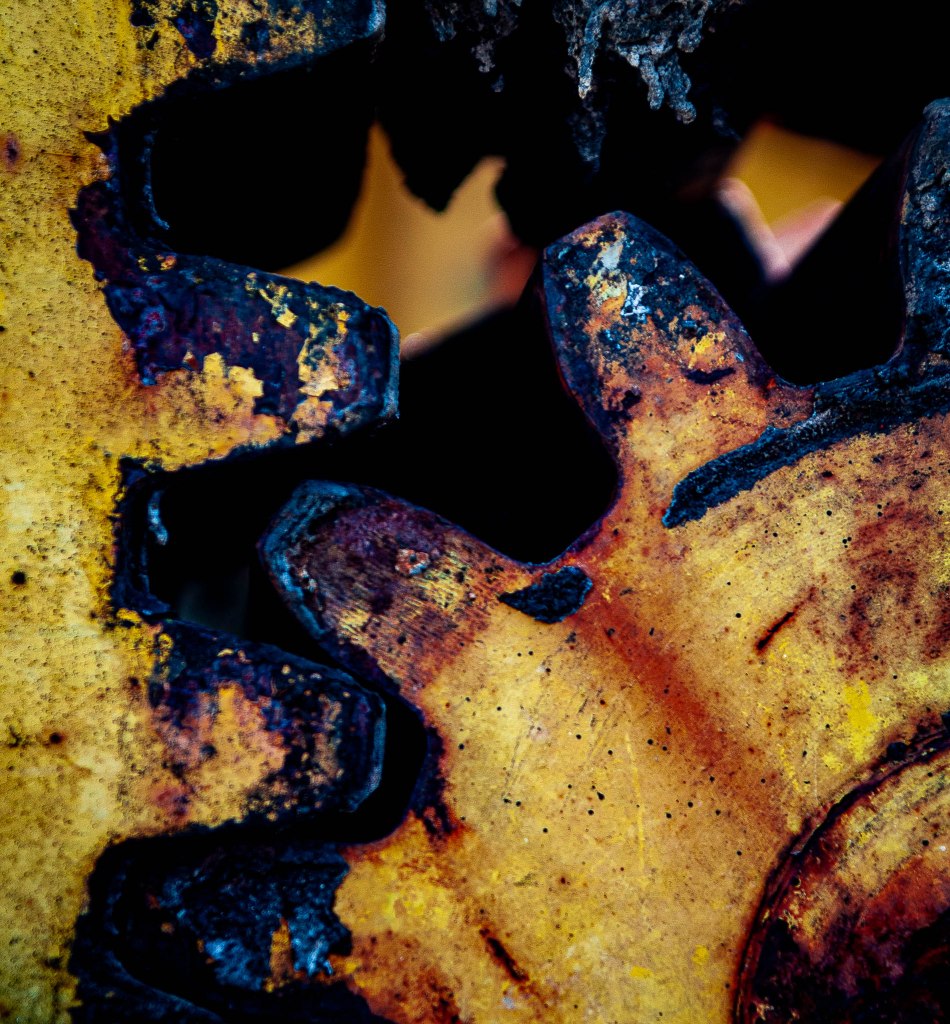
    This goes back to what I have said many times in the past, don’t let the mainstream overly influence your art. Play with your image development, experiment with compositions, look for details most miss, and step outside the box of the standard renderings.

    Art is about self-expression. Art is about showing the world things they don’t normally see or in a manner to get them to see the world through a different lens. Send a message or a feeling through your art. Show the ugly in a way to see the beauty. Once you can find beauty in what is typically standard renderings or the unattractive you can find anything that can be the subject of great art.
  • Forgotten potential

    Forgotten potential

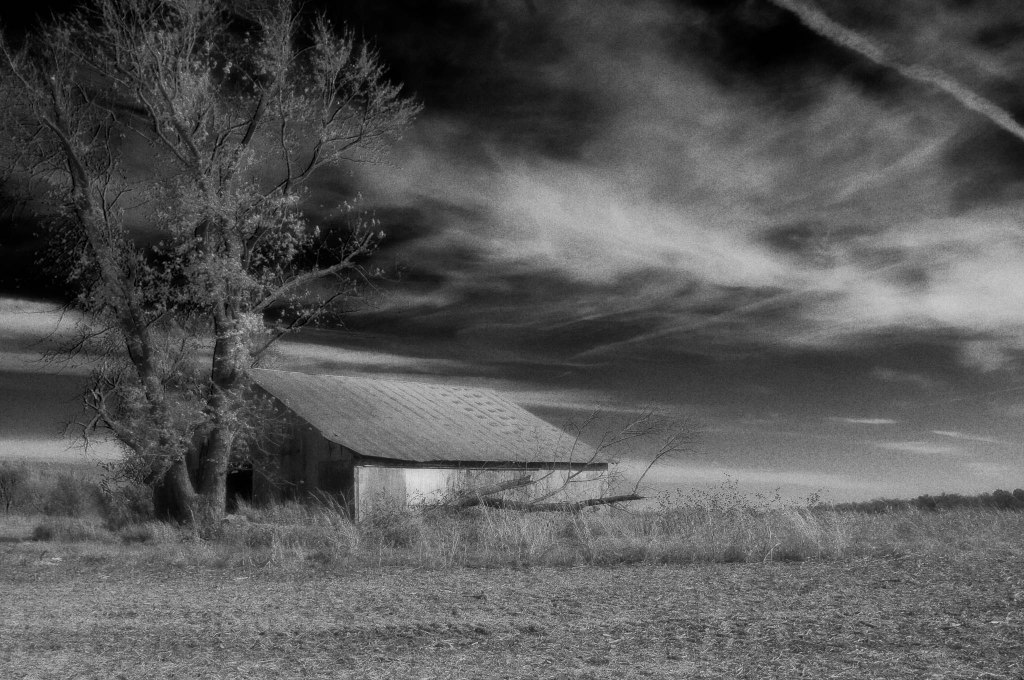
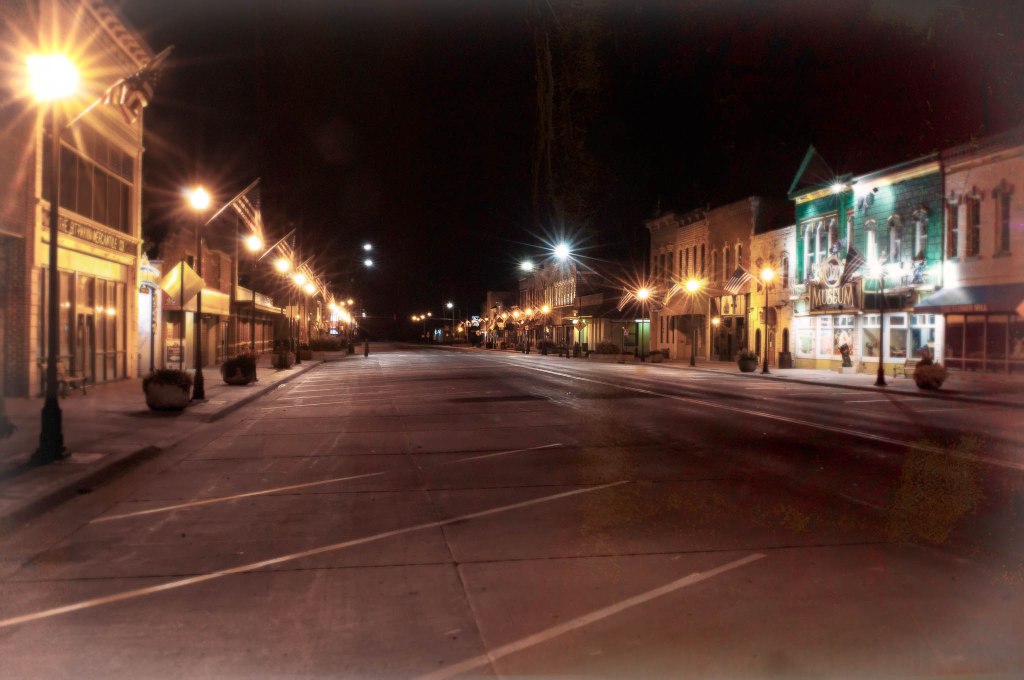
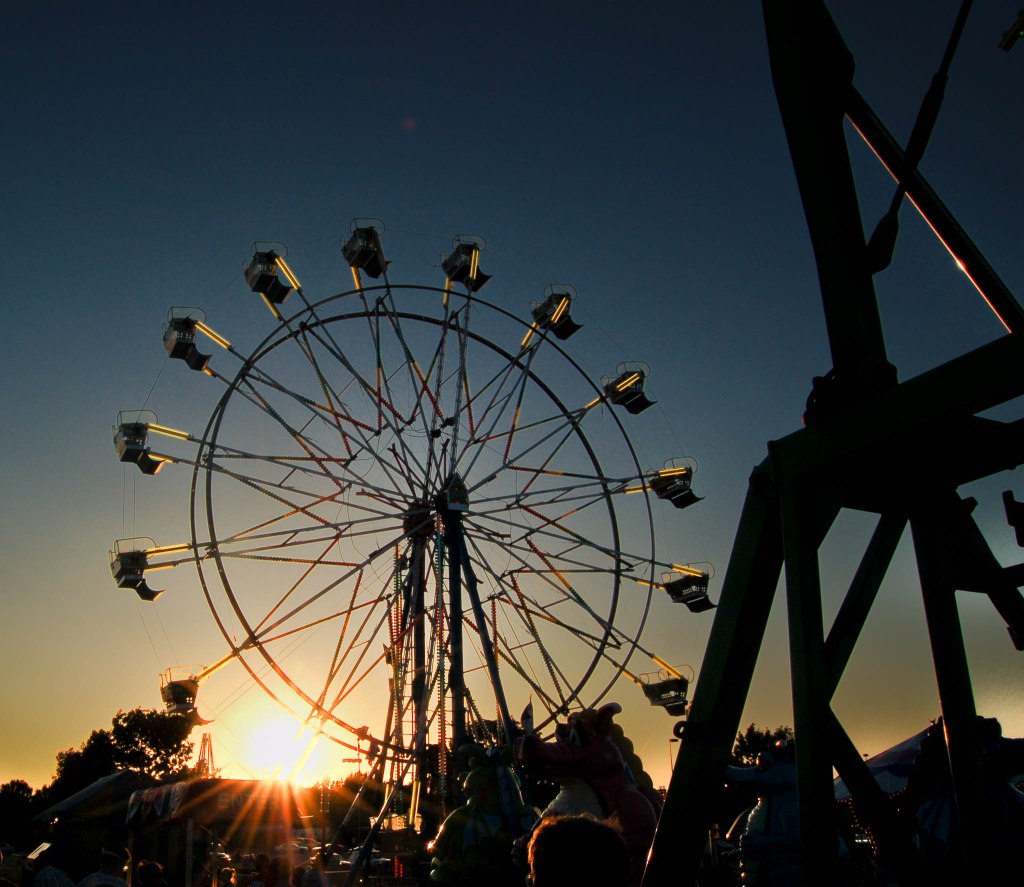
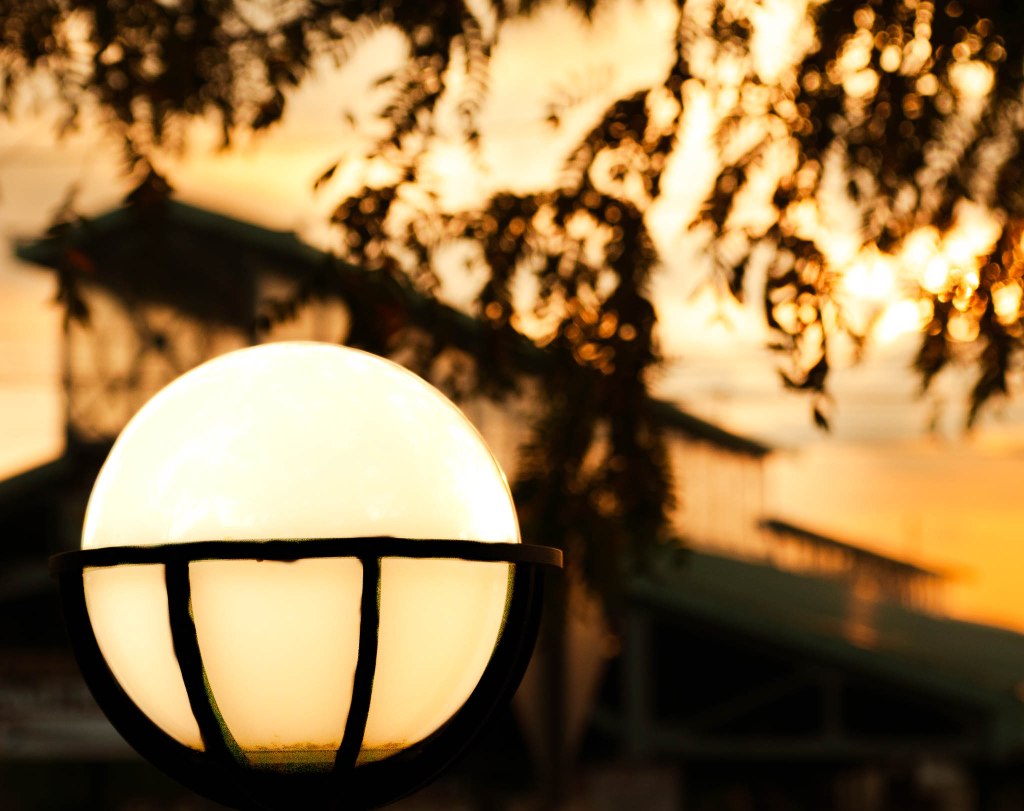
    Each morning I browse my catalog of photographs and from time to time I find something that has sat for months or years without ever having been created into a piece of artwork I share and display. The photograph above was taken almost 8 years ago, on August 29, 2014.

    While I probably haven’t reviewed it in quite a while I found it today while looking for inspiration for my daily thought. The first thing I did was to check the news headlines, I don’t watch television news. I was so dismayed by many of the headlines I saw. When I began my search for inspiration I saw this photograph. Looking at the light and the early morning sky, the picture was taken at 6:27 AM, I thought, be the light. As the sun comes up for the day a new beginning is upon us, be the beacon of light for someone. Set a positive example for the day, even if you only inspire yourself. I believe this is even more important today with all the world events surrounding us, many of which are far from positive or inspiring.

    This, I hope, will become my goal, to start each morning by working to be the light, and find the hidden potential for each day. Create art!

  • My photo my art

    My photo my art

    I used to absolutely abhor the words, my photo my art. At the time, I believed we should all generate work that looked like what was popular in the mainstream. I no longer abhor the words my photo my art because I get it now. I believe art is an expression of yourself. It talks about your mood, emotion, beliefs, ideas, and personality. I may or may not appeal to all, or even anyone except the creator of the work, and that is okay.

    I love art and photography. I love creating a look and feel that suits me and my concept at the time the piece is created. I no longer want to be put into a pigeonhole category but want to create my own niche of art. If others like it fantastic, if not that is fine as well because I created the piece I wanted.

  • Create interest by changing your position

    Create interest by changing your position

    One of the things I often marvel at is the ability children have to view things in a unique way. They will hang upside down to look at something or bend over and look between their legs. Somewhere along the way to adulthood, we stopped doing that and it shows. I cannot count how many times I’ve seen people taking photographs from only a standing position, even if it is something or someone much shorter or lower to the ground.

    When taking photographs change your position. Move about. Get higher, get lower, look up, look down, and move around your subject.

  • Photography is a fine art

    Photography is a fine art

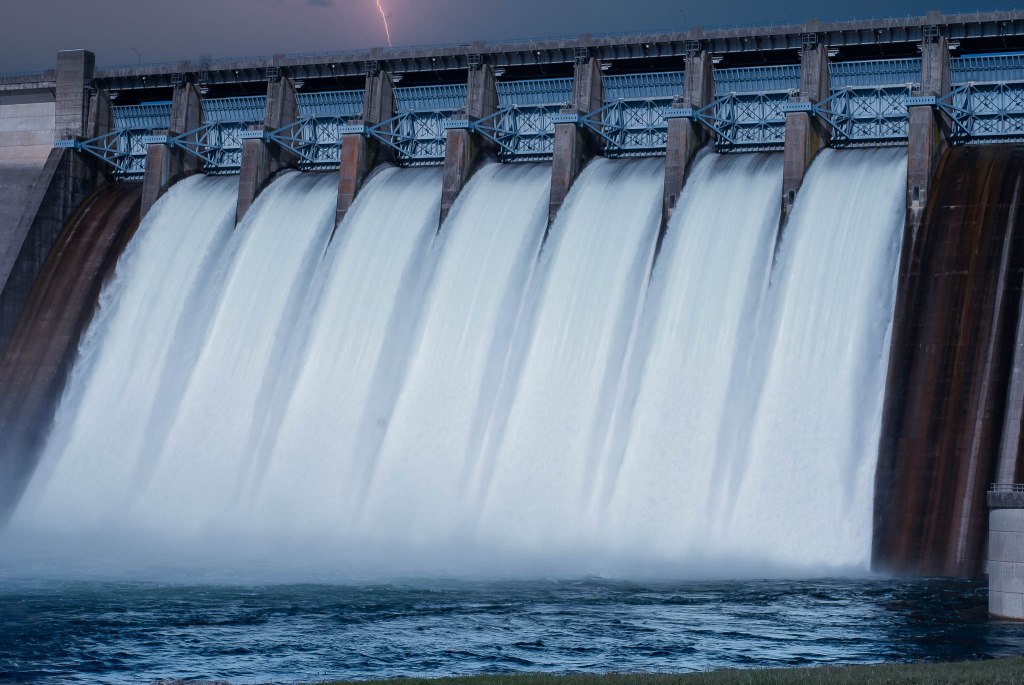
    The Storm

    Photography is a fine art but not all photographs are necessarily fine art. Fine art is often defined as; creative art, especially visual art whose products are to be appreciated primarily or solely for their imaginative, aesthetic, or intellectual content. So if I create a photograph primarily or solely for its imaginative, aesthetic, or intellectual content I can classify it as fine art. In fact, all the art museums I have visited have photography displayed along with other various pieces of art. All of the art galleries and art shows I have seen have photographs displayed. Apparently, it isn’t just my opinion but also the views of curators of museums and galleries.

    Some would argue that the camera does all the work unlike painting, sculpting, or other traditional arts, but I will argue back that to achieve the specific fine art photograph I intend takes skill, knowledge, creative vision, and talent.

    It is important, for me, to see that as time has gone on photography is being accepted as fine art because I am working to create pieces of art through my photography.

    Mona Lelani

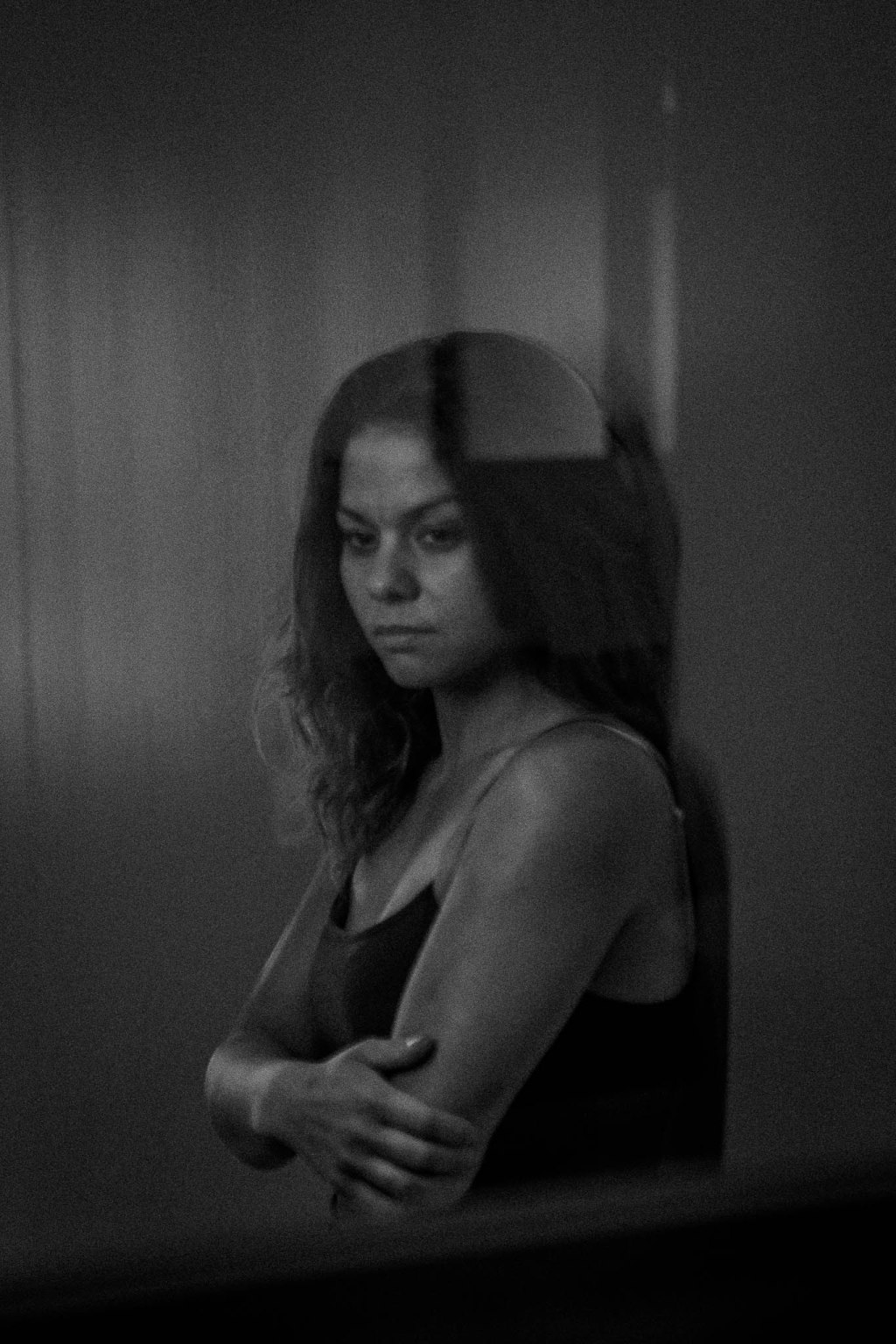
    Nearly all of my photographs are very intentionally created where I am controlling or working with the light, adjusting the settings on my equipment to get the look and feel I want. I then take the raw image and work with it further using software to create the final finished product I envisioned. When I’m creating pieces as projects I don’t “just push the button”. I am taking all the training, skills, and knowledge I’ve learned over the years and putting them together. I am considering all the books, paintings, drawings, sculptures, and other pieces of art I have seen. I am creating a visual piece of art so viewers can appreciate them for the imaginative, aesthetic, or intellectual content. My work may not appeal to everyone just as any art form may not appeal to everyone.

    To those who say photography can’t be fine art I say, “That’s just your opinion, man”.

  • The unique creative is brave.

    The unique creative is brave.

    I’m going to say it in my outside, out loud voice, the unique creative artist is brave! I’ll even go a bit further; a uniquely creative photographer is even braver! Let’s face it to create unique art, something outside of the current trend or conformity takes a person who is willing to be criticized, often publically. One of the most critical groups of people can be photographers when they view the photography of another, especially when it doesn’t conform to the current “standards”.

    I have a couple of friends who have stepped outside the box of conformity and openly share their work.

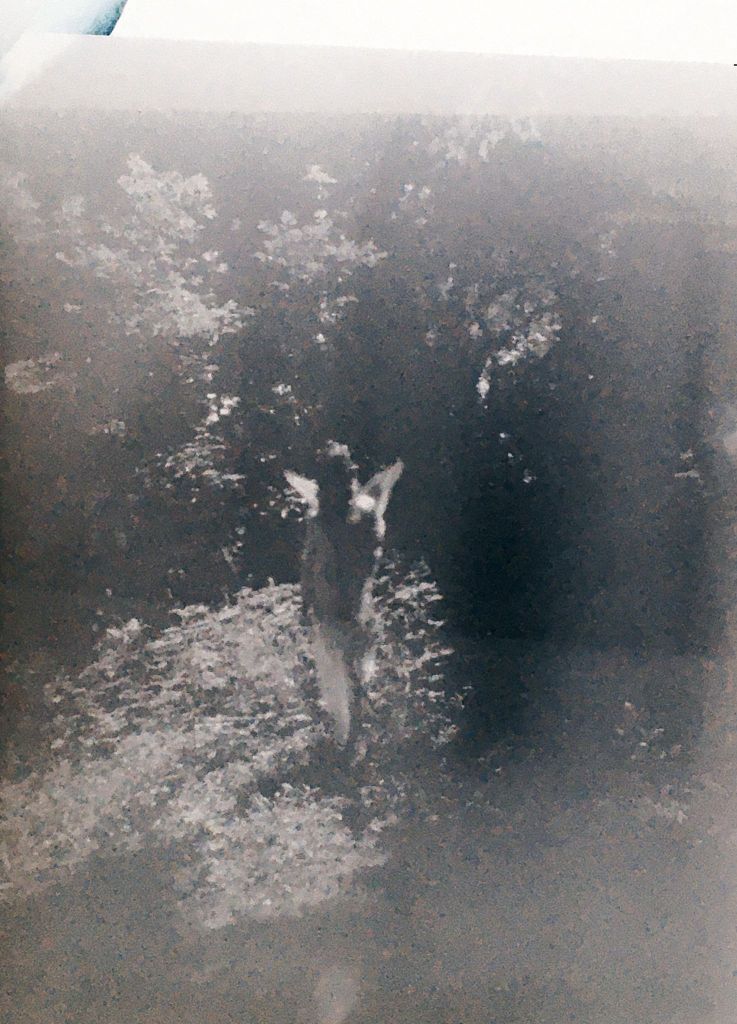
    Pinhole camera by Helen Graham
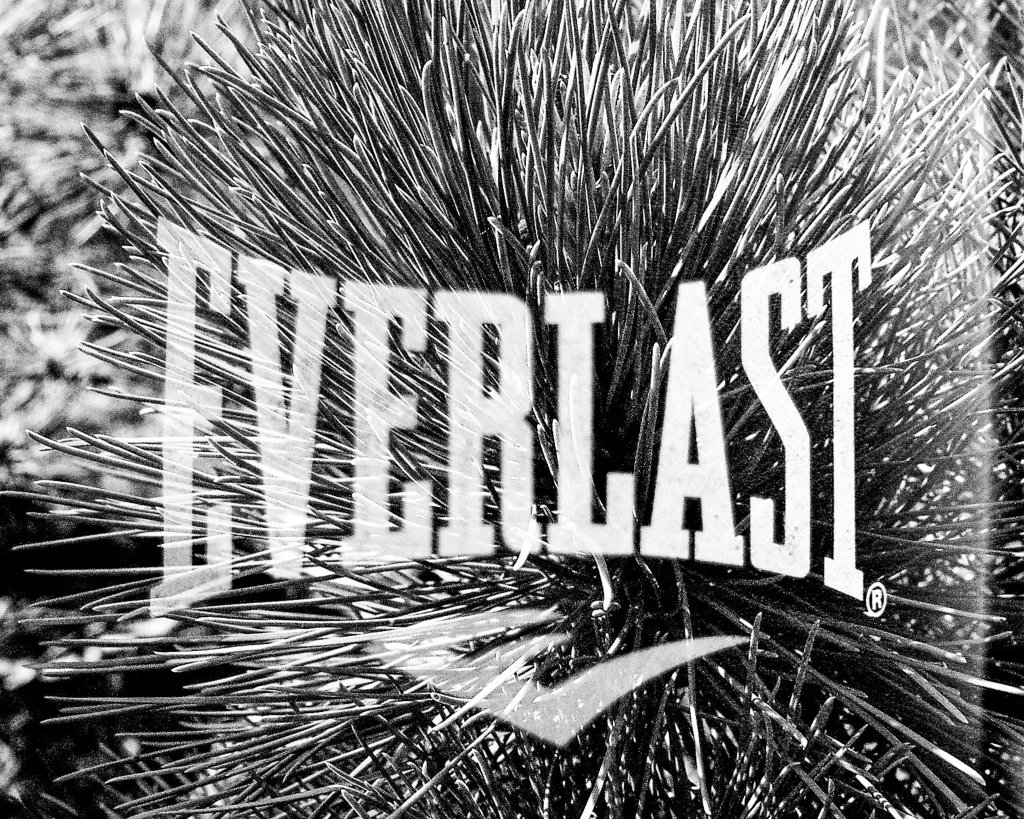
    Double exposure by Walt Polley

    While double exposures and pinhole cameras are not anything new they aren’t the current conformity standard. Both have helped me get back on track with my creativity.

    It is easy to stay in the mainstream of photography. If you just stay within the bounds of what is currently acceptable.

    Nearly every day I heard or read discussions about composite images and how they no longer become photographs even if every portion of them is a photograph taken by the photographer. If you step further outside the box, well hold on to your lens cap!

    I’m not a painter, sculptor, or traditional artist but I’m sure the same thing applies in many of those circles as well.

    So, I have decided that along with taking and displaying more traditional photographs I’m also going to jump into the abyss and create some more out-of-the-box unique photographs. I’m going to let the creative beast out of the cage and let it roam!

  • Photographic artists don’t conform

    Photographic artists don’t conform

    I listened to a podcast yesterday where the host was talking about photographers, especially fine art photographers, conforming to social media likes. We all enjoy being liked. We enjoy having our work liked by others but does that mean we have to conform as an artist to the standards set by social media or the world at large? I’d like to think no, we should not conform.

    I’ll admit, that I have started to conform to the common standards of the photographic community, again. Do we conform to what others believe just to get others to like our work? Do we conform to what others believe to generate interest or hope others will buy our work? Do you create the photographic art you want and to hell with what others think? These are rhetorical questions for me and I hope they get you to think about whether you’re conforming just because.

    There was a time I used to do all sorts of effects on photographs, but I stopped. Some of the reasons I stopped is that the work was often met with many negative responses talking about overprocessing, non-realistic, and more. I was being forced to conform to the standards of the photographic “experts”. I will admit some of the early pieces, most of which I no longer have in a file.

    I’ve thought about this topic before. We’re taught to conform from childhood. Stand in line, walk correctly, and color inside the lines. There are some things we should conform to societal standards as a matter of rule such as we can’t just walk outside naked or we can’t just walk to the front of the line, but in terms of creativity conforming to the standards, especially in the photographic community, hampers creativity. We are told to emulate Chase Jarvis, Annie Leibovitz, Zack Arias, and others. We are rarely told to emulate the styles of Jerry Uelsmann or other surrealist photographers. Should we even work to emulate the style of others or just create? Can’t we do both? Create some work and then follow the lead of other more traditional photographers. I’m still pondering the answer but I’m more inclined to say I’m going to do the latter. Create what I feel with some things and then work in a more traditional style on other things. I’m going to become a nonconformist in my art.

  • Create don’t just document

    Create don’t just document

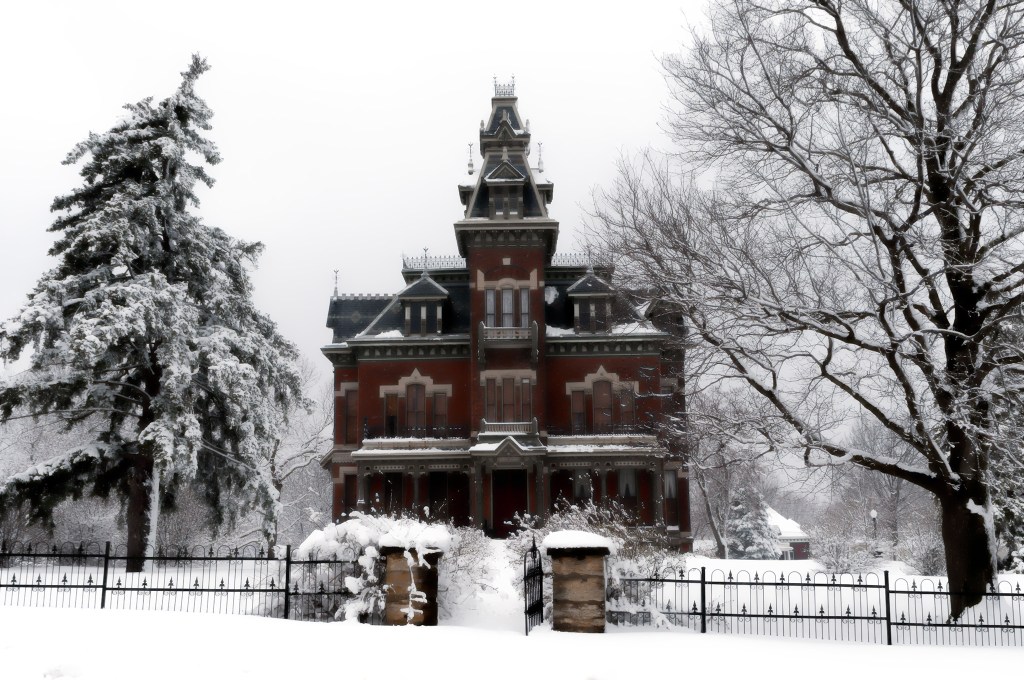
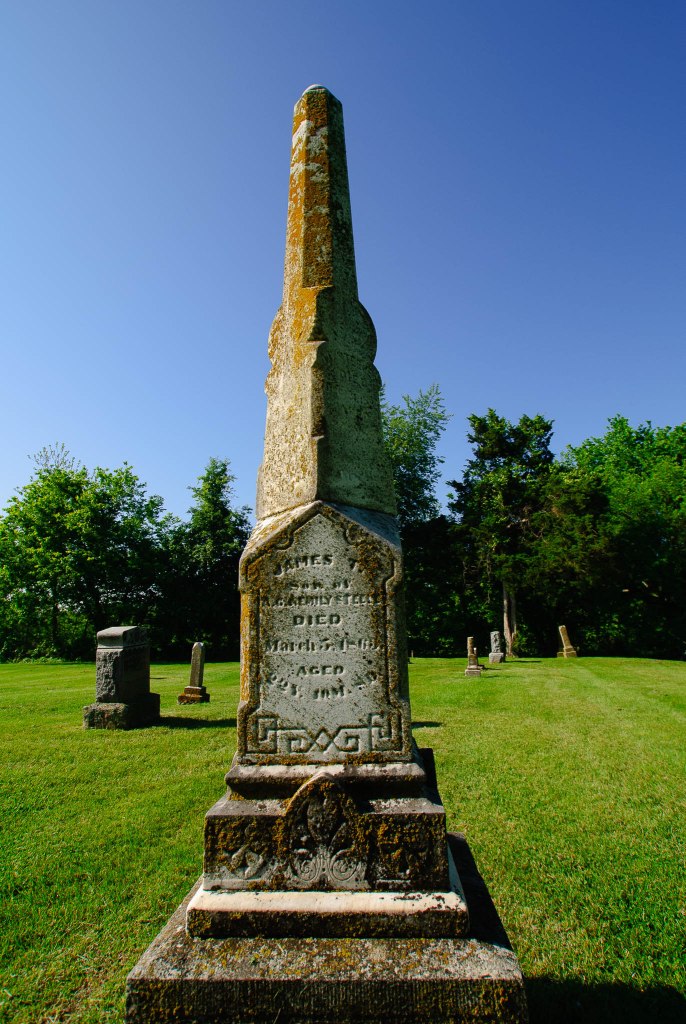
    Many times I take photographs with the intent of creating a mood or feeling I imagine. And then there are times I take a photo of something because the scene or object catches my attention but I can’t explain it at the time. I took the original photograph of the image above on May 18, 2010, however, I didn’t create this piece until October 24, 2020. The original photo sat in my Lightroom catalog for over 10 years before I put created an image that I thought the scene reflected.

    As you can see the original isn’t much. It is wonderful only as a documentary of the headstone, but as an artist, it left me with a ho-hum feeling.

    My mind is a bizarre and mysterious place. I can go through my catalog of 33,000 images and begin to imagine things. Some work out others do not, but like the photo of the headstone, a photo can sit for years before I find something. Who knows, I may eventually find a different mood or feeling I want to convey with the image.

    Take photos of things that interest you but also keep an open mind about creating something. Use your experiences, and memories to think creatively. Remember all the movies, television shows, books, and scenes you have experienced, and bring these together when creating art.

  • Play more, less serious photography

    Play more, less serious photography

    Often I take my photography too seriously by trying to create a sense of realism even though I may have altered reality. Yesterday, I played with features in Photoshop I have only toyed with but never used to create anything.

    I decided that it really doesn’t matter about reality, it matters about creativity. It matters about imagination. It matters about art. With all the daily issues in our lives, we can definitely use the time to just play.

    Try it, just let go and try some bizarre editing techniques. Make something up, try something odd or unusual. Creating art isn’t always about reality. We often times need an escape from reality.

  • Learn photography by playing around

    Learn photography by playing around

    I have often seen people who begin to learn photography and photography techniques too seriously. They get nervous to learn things like using a Speedlight for flash photography or low-light photography.

    Go out, play, and have fun with it. That is all for today, short and simple.