Tag: Photoshop

  • Photography Friends, mentors, and clubs

    Photography Friends, mentors, and clubs

    Photography friends, mentors, and clubs are three ways to stay motivated and inspired with your photography. Of those, I have found that photography friends are especially important. Photography friends may call and say, “Hey let’s go shoot!”. They can also call up and just want to hang out, have dinner, or have a cold beer. Photography clubs are wonderful places to meet like-minded people but unless you make friends there the club usually only meets once a month or so. Photography mentors, I wish I knew. I’ve never really had a photography mentor outside of my photography course. Of the two mentors I had during my photography school one I liked the other was a bit gruff, but he gave me one of the most brutal critiques ever, one I still remember to this day.

    I’ve been a part of two photography clubs and while I enjoyed them, I don’t really miss them with the exception of a couple of people. I did recently join another club, of sorts. I recently joined a group called the Kansas City Society of Contemporary Photography. It’s a bit more than a club. the Kansas City Society of Contemporary Photography runs art shows in their gallery. They sponsor other shows and like galleries display work for sale. I have yet to attend a function since I only joined a couple of weeks ago but I am attending a coffee and chat session at the gallery tomorrow morning. I was introduced to this society by a photography friend. This is a double win for me since I will be part of a club, so to speak, and I already have a friend there.

    If you don’t have photography friends check out the local clubs nearby. You may find there are more people who are interested in photography in your area than you may think, yes even in small areas. Being a part of a group, even if it is just two, can be a great boost to your photographic creativity.
  • Some places don’t understand art

    Some places don’t understand art

    I sometimes forget this concept. Not every site where you can market your work recognizes art. They only market stock images, which have to meet “their” standards, which doesn’t allow for anything artistic. I don’t mean to imply that stock photography can’t be artistic, but you can’t have a soft focus or artistic lighting (must be evenly lit). So if you only light your subject using “advanced” lighting equipment it is often considered by “the expert” to be unevenly lit or poor lighting. If it has a soft focus it is posterized.

    I’m not sure when the last time the “reviewers” were deep in the woods but guess what, there is uneven lighting even in nature. With this “rejection” based on the “criteria” given for the rejection I actually had to laugh.

    Don’t let the rejection of a submission worry you. They don’t get art. A perfect example is having a photograph of a glass with soda in it that was accepted. Now, I haven’t sold a single license to the soda glass image but it met the “standards”. It’s their loss, not mine as some of the images have already been selected by a local business to promote an event.

    Keep producing art. If buyers come, fantastic. If they don’t you’ve still got your art. After all, this is where the term starving artist comes from.

  • What photography tools are you afraid to learn?

    What photography tools are you afraid to learn?

    What photography tools are you afraid to learn? Studio lighting? Flash? Editing software? Something else?

    I’ve had various cameras since 1982 but until about 2014 I was nearly terrified of off-camera flash. I tried using off-camera flash using my camera’s built-in flash as a commander to control a flash unit as a slave. The system was IR (infrared) and I used the TTL (through the lens metering), so basically, it was automatic. The results were also boring nearly flat lighting.

    2013 portrait

    Then I was, literally, forced to begin to learn proper lighting during my photography school.

    2016 portrait

    I learned to use a dedicated light meter and manual power adjustments on the lights. I learned to use a variety of diffusion devices, umbrellas, softboxes, grids, and reflectors. I learned how to set up lighting outdoors and use it as a fill flash even in the sunlight.

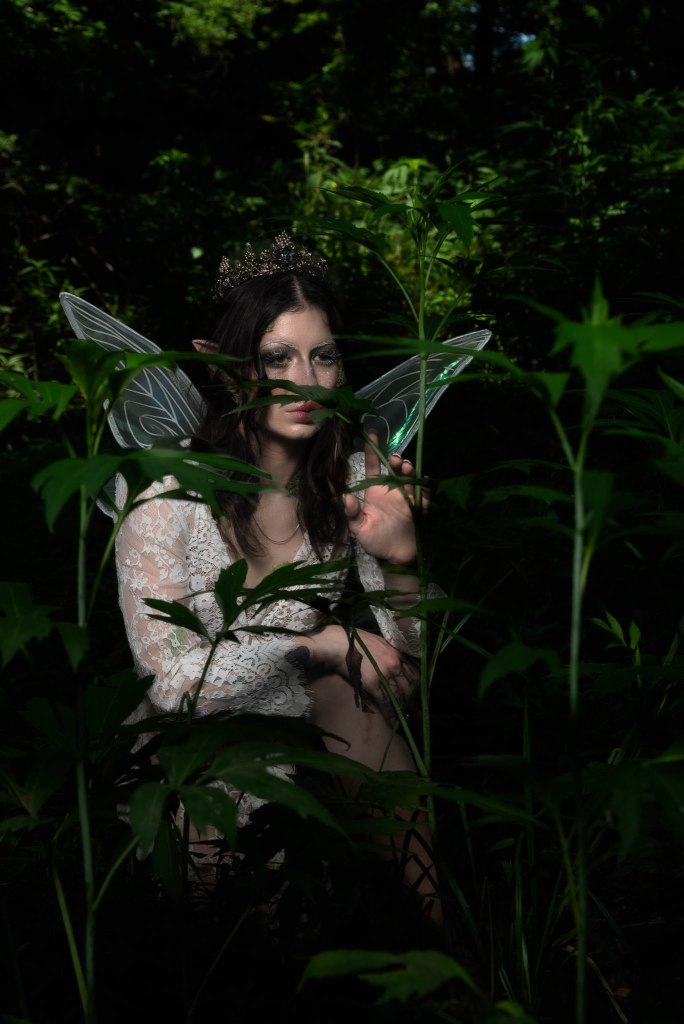
    In the session I did this past weekend in the woods, I carried a couple of light stands, a portable softbox with a grid, remote triggers, two lights (speedlights), light meter (to measure flash). During one of the conversations, I had with my fairy model she mentioned that most of the previous photographers she had worked with didn’t use such equipment.

    I explained to her that, at one time I too didn’t understand off-camera lighting or the use of lighting during the daylight hours. I also explained, very briefly, that using the lighting I could make the forest much darker while she was well lit.

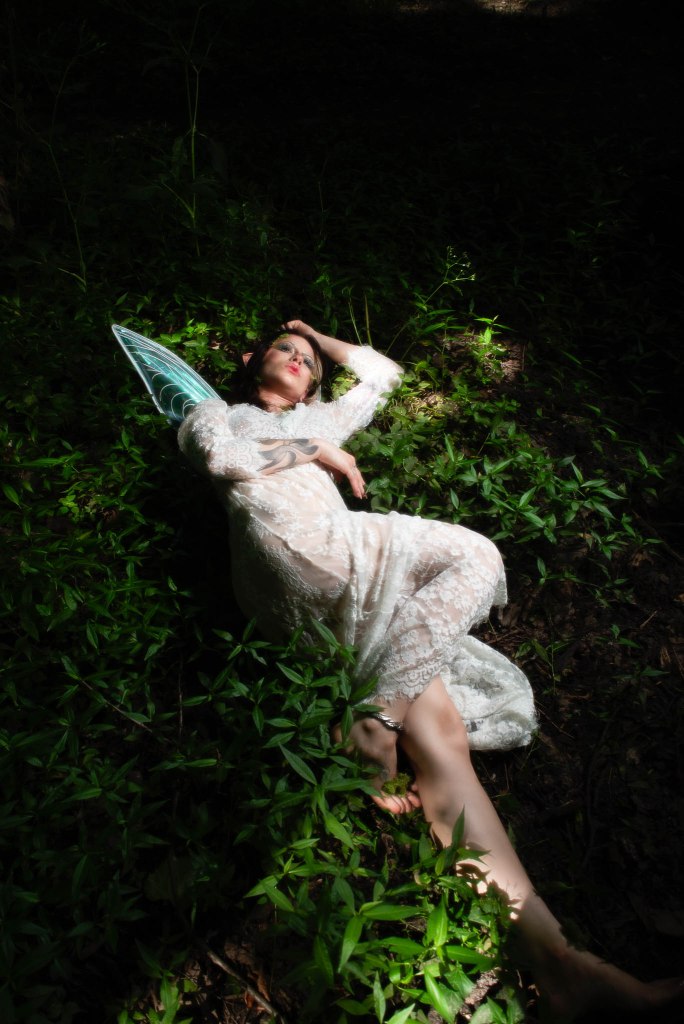
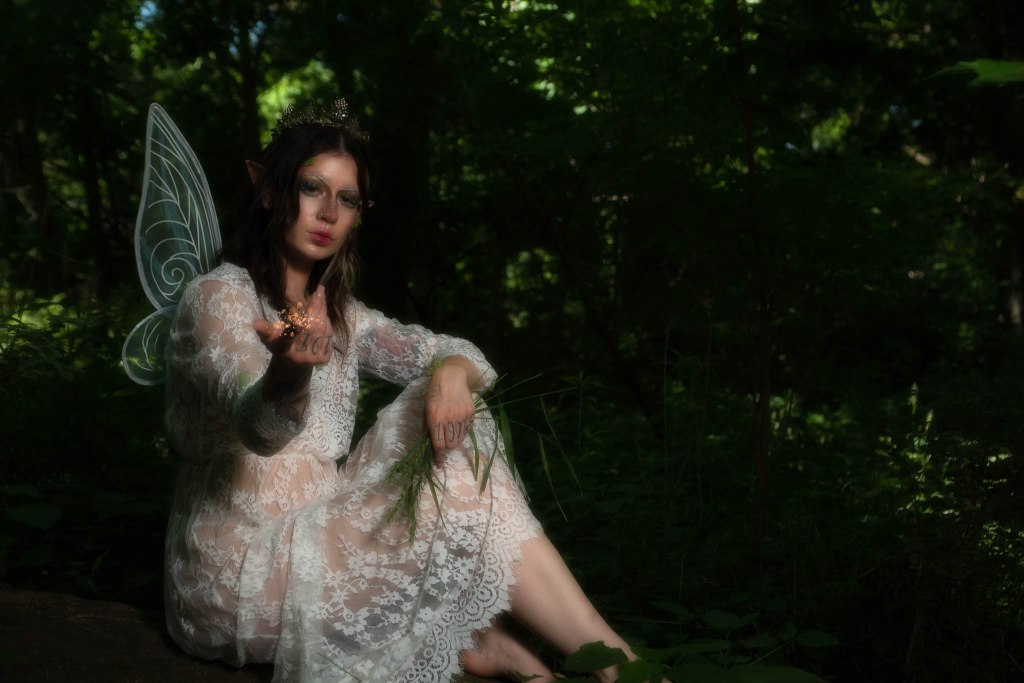
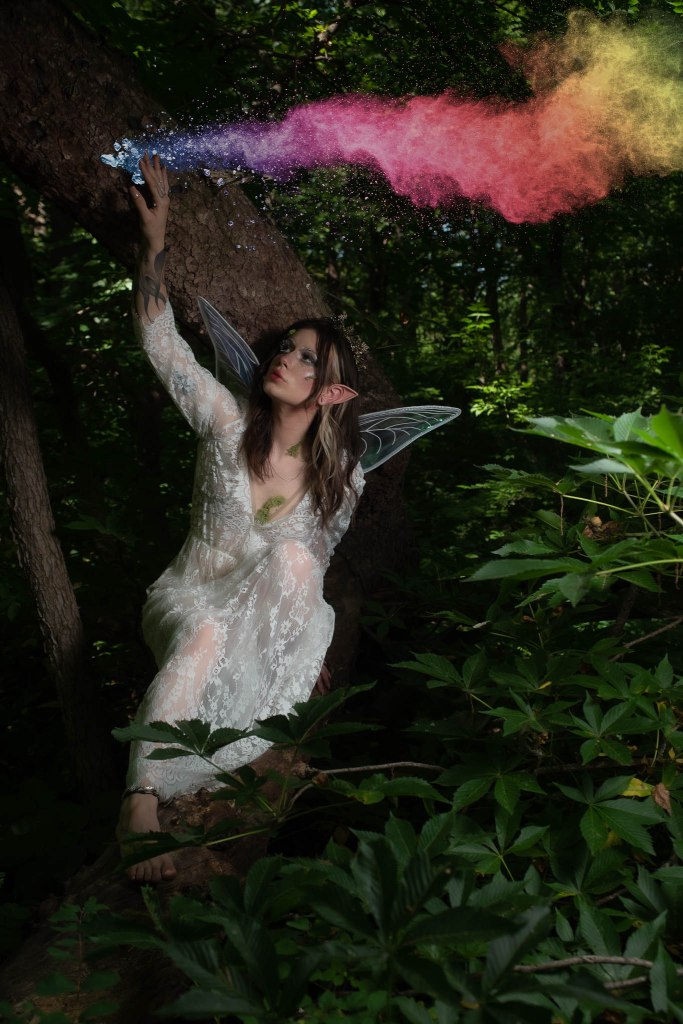
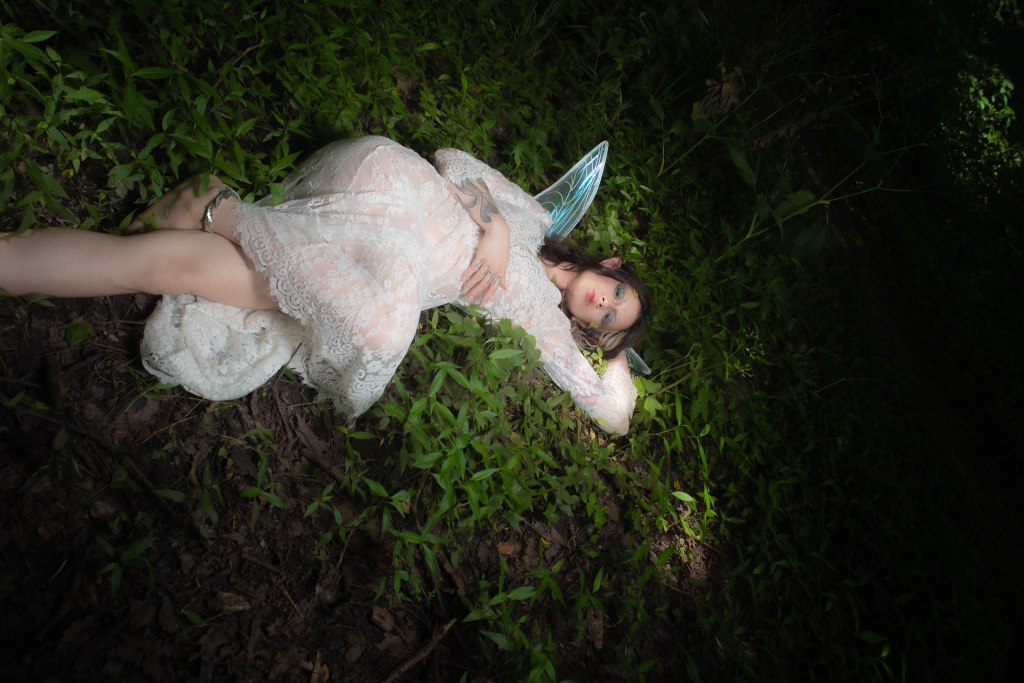
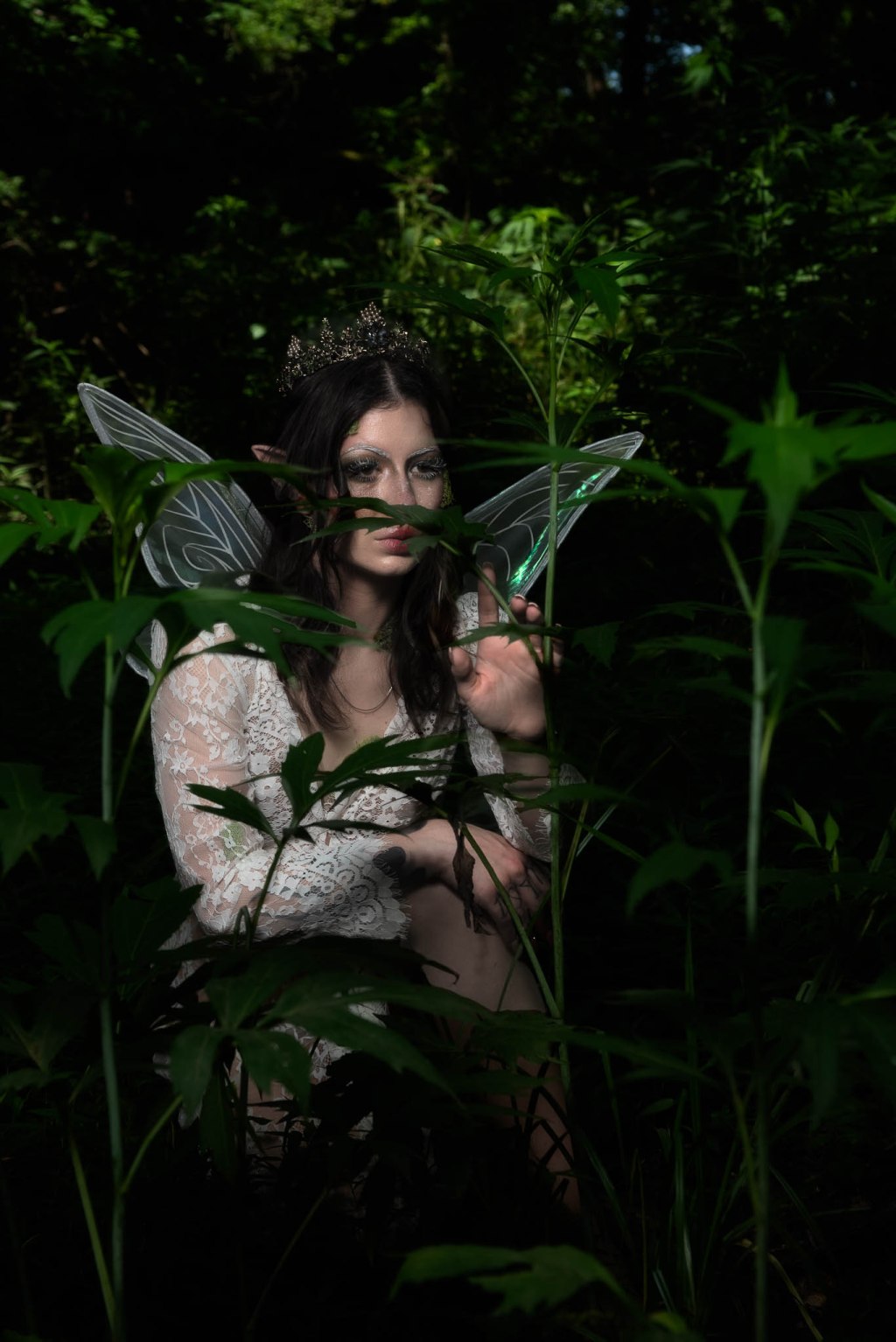
    Each of these images I shot during this past weekend was all shot using a flash with a softbox and grid. A very small amount of adjustment was done in post-processing afterward as far as the lighting was concerned.

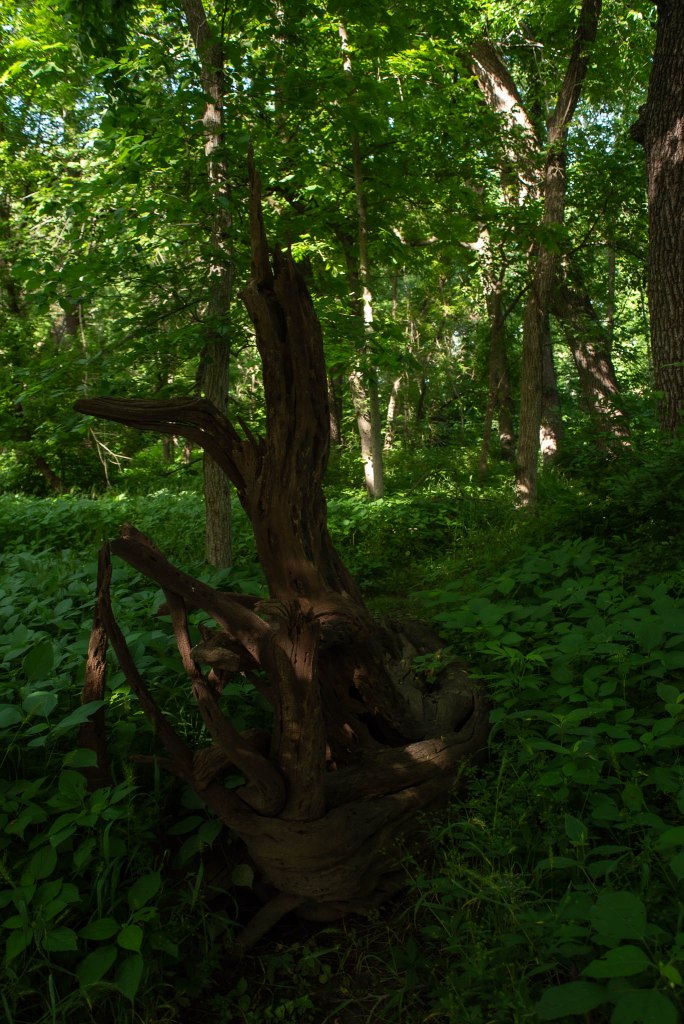
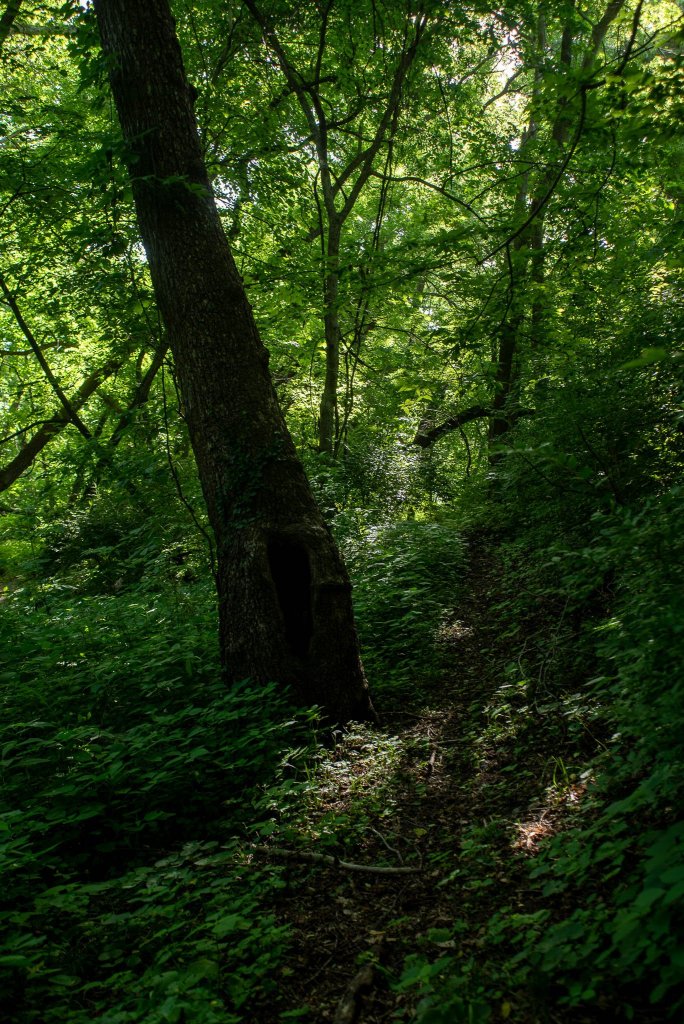
    Without the use of speed light, the scenes would have looked like the photograph above, which was taken without flash during my scouting mission a few days earlier at nearly the same time of day.

    Embrace your fear of learning that thing of which you are afraid. Overcome the fear. It will help your artistic vision come to life.

  • Measuring your success

    Measuring your success

    This is often a difficult challenge, at least for me. Often I use the wrong criteria to measure success. Many of us use the term success as something that has achieved financial success. Even without a photography session having earned a dime it can be a success.

    After my session this past Sunday with a fairy theme I have received a hugely popular response in both social media circles and the potential business market. In addition to those responses, I achieved the look and feel I wanted with this project and the model is thrilled with the results. With those things in mind, the session was an absolute success.

    Measure your success not only in terms of financial gain but more so in personal gain. Measure success in achieving your personal challenges. Measure success in terms of positive feedback and completion of your vision. Measure success in personal terms, rather than money.

    The success of this session serves as a reminder to me, to practice what I preach; Prepare and plan your photography sessions. Even if it is just a casual walkabout.

  • Fantasy photography

    Fantasy photography

    Fairy in the forest

    Yesterday, I wrote about preparing for your photography session. I was able to find a model to portray my fairy, arranged for the costume, scouted the location, fine-tuned my vision, and brought nearly everything I could think I would need. I was also fortunate the model was a fan of this sort of genre although she hadn’t really done much of it in a photography way.

    After everyone arrived we wandered off into the forest and set up. During the hour and a half session, we took 120 photographs. In going through images upon returning home I really like 73 of them. Getting prepared pays off.

    Magical fairy

    These are just a few I have developed to match my vision. I have many more to come. The fantastic thing, to me, about this session is that it is a fantasy world with a mythical being, so reality doesn’t exist and can be whatever I make it.

  • Prepare for photography

    You should always, always prepare for a photography outing. Charge batteries and check your gear. If possible scout the area ahead of time.

    Today, I have a photography session planned in just a couple of hours but I started earlier in the week by scouting the area. Yesterday, I check all my camera gear and charged the batteries. I gathered all the things I thought I could possibly need including safety pins, twine, a multi-tool, etc. Typically, I end up taking more than I need but I have found it to have it and not need it than to need it and not have it. Many of these small items I keep in a photography vest. Wearing the vest with lots of pockets keeps me from having to carry items in a bag and then searching for where I put them. The vest also serves as a place to put lens caps.

    Plan your photography outing and I believe you have a greater chance of coming away with better photographs.

  • Embracing challenges from your audience

    Embracing challenges from your audience

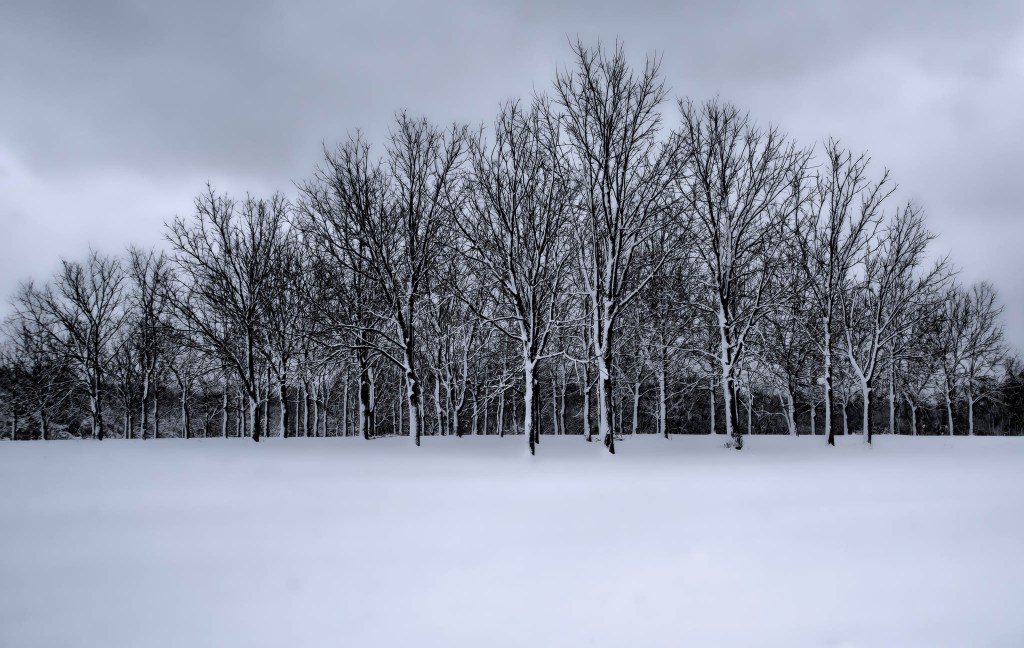
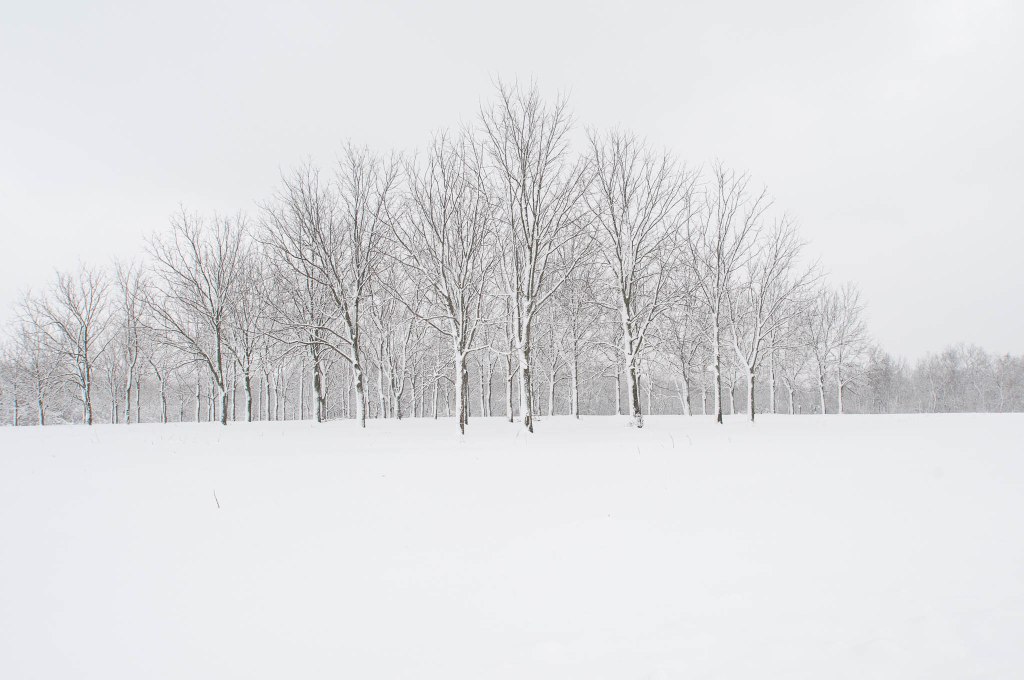
    The tree line in the snow

    I have written about being true to yourself as an artist and not allowing others to change your course, style, vision, or adhere to their concepts. With that being said, there are times when others like work you have done that you may have thought to be mundane. There may also be times when someone will ask or suggest a subject or scene. The featured image was one of those times.

    My wife made a request for a photograph of a tree line. I thought about it and, at first, thought eh. I tried a variety of tree lines. Nothing really grabbed me. I didn’t stop looking but I still wasn’t “sold” on the idea.

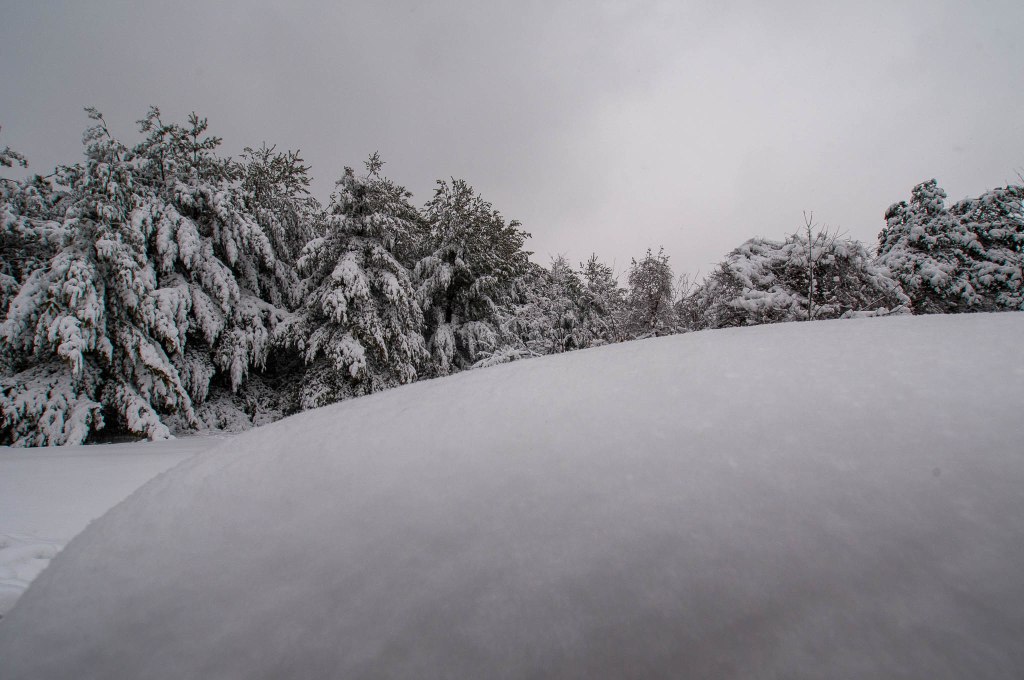
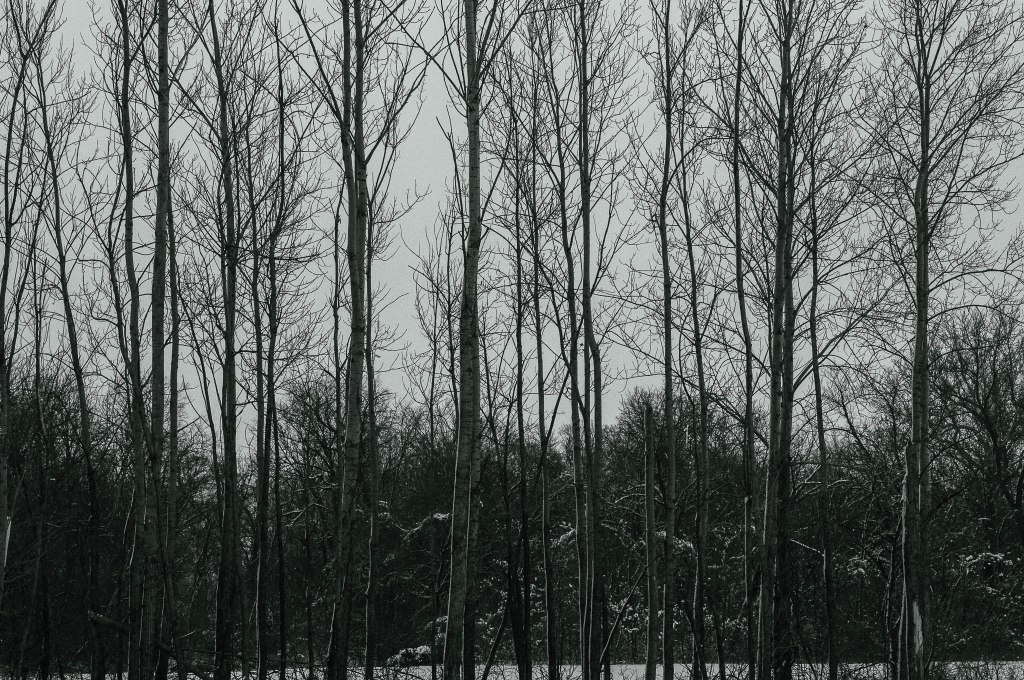
    In the winter of 2013, we had a big snowstorm and, at the time, I drove a 4-wheel drive truck. Since I was retired at the time I decided I would venture out and take some photographs. One of the places I visited was a conservation area and as such, it had lots of trees. I shot a whole wide variety of trees and treelines.

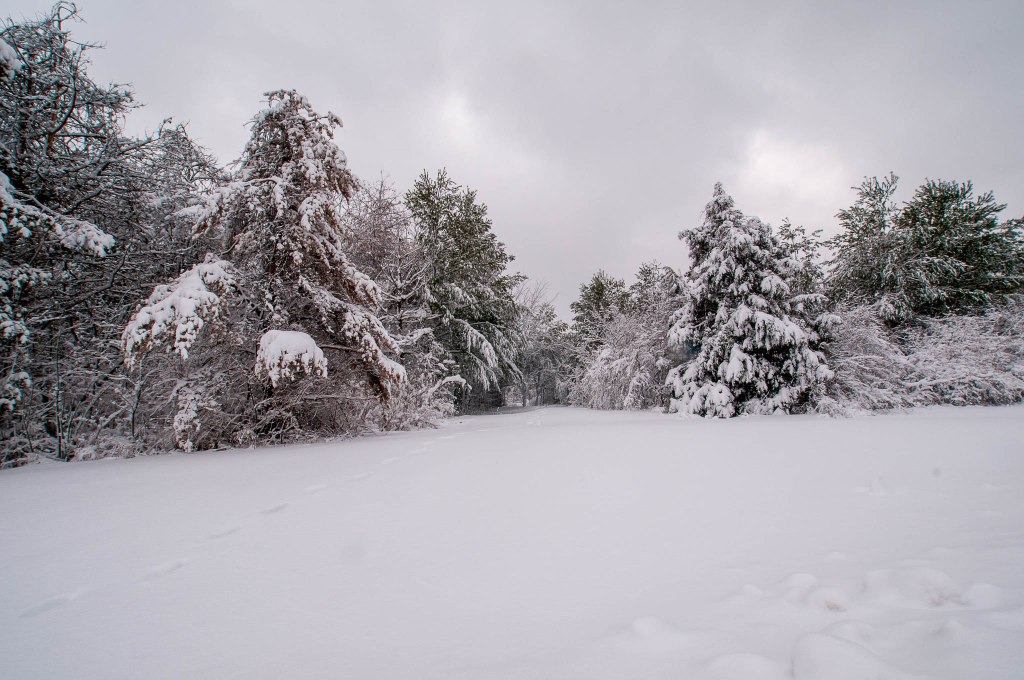
    Then I saw the treeline below. Normally, it was a mundane open grassy field in the foreground. Fortunately for me, there had been enough snow few others had ventured out. There were no footprints or other distractions in the snow.

    The original version of “The treeline in the snow”

    The photograph above was edited to convert to black and white as well as to remove some of the sticks and tall grass from the snow in the foreground. I would love to list exactly what I had done at the time, but I didn’t save the Photoshop working file and it has been long enough ago that I don’t recall my steps.

    I showed the final photograph to my wife, who had requested the work. She immediately wanted a print made to hang. I ordered a 16×24 and got it professionally framed and matted. The photograph still hangs on the wall today.

    This isn’t the only time I have had such a request. In 2011, I was contacted by a person who had seen a photograph of mine on my website. She wanted to buy a print to use as wall art. I was amazed that someone I didn’t know wanted to pay me for a photograph of mine.

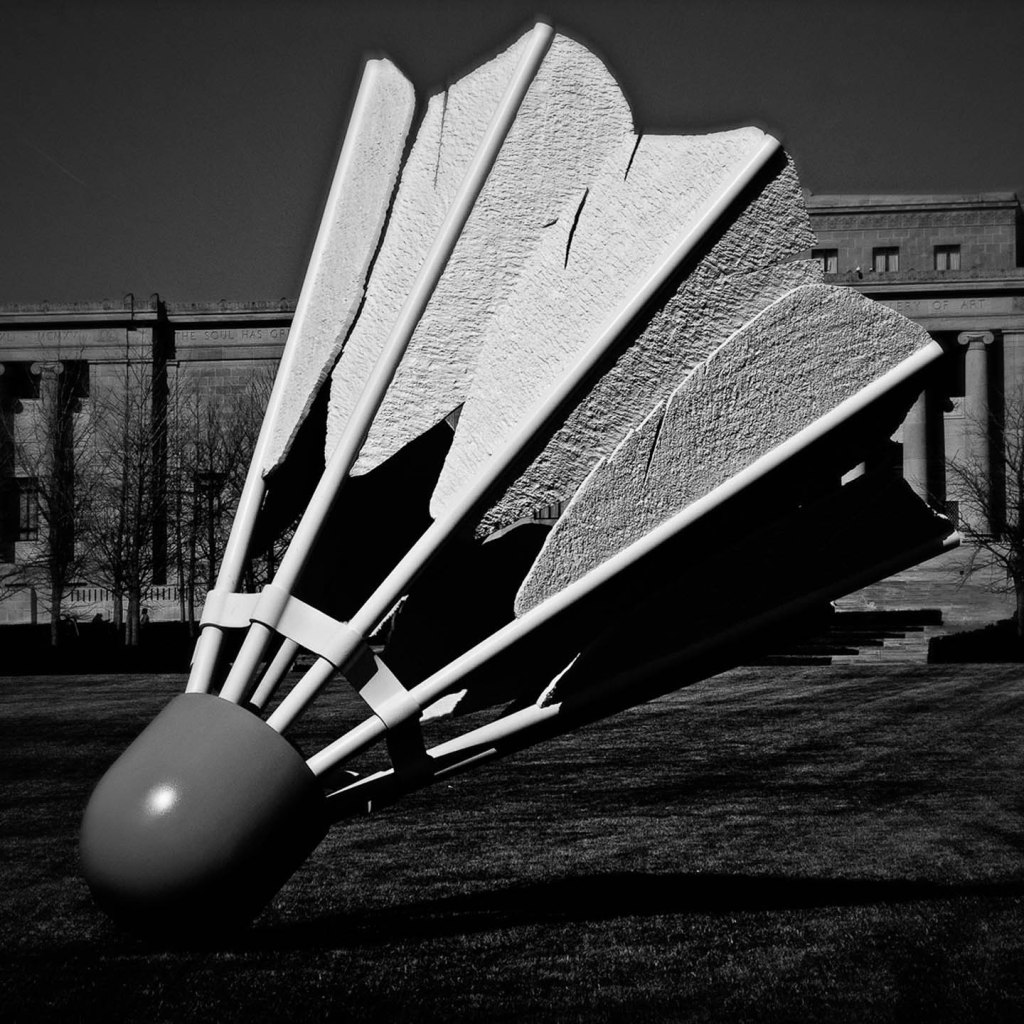
    A sculpture at the Nelson Atkins Art Museum in Kansas City MO

    The image above is the one that was requested and as you can see it is a piece of artwork that was on the lawn of the Nelson Atkins Art Museum. Since this was the work of another artist, I contacted the art museum and asked if I could sell my photograph of the piece. I was given permission from the museum to sell my photograph.

    The lesson I have learned and continually remind myself of is that you can remain true to your vision as an artist while listening to your audience or others who are potentially your audience. I have also learned that sometimes the photographs and artwork I like may not always be what others like.

    Do quality work. Display your work and you may find an audience or buyers of your art that you didn’t know existed. Following this mindset, I have sold a few works and most were pieces I wasn’t personally wowed by.

  • Photography lesson for all time!

    Photo by cottonbro on Pexels.com

    This wasn’t the blog article I was going to write today. I was going to write about when clients, customers, or your audience likes a photograph you think is ho-hum or mundane. Like I said, I was going to write about that. I even had an example of the image I wanted to use as an example, except I can’t find it. I’ve gone through some external drives that I thought were backups. Some of the backups no longer existed so I must have purged them. GASP! I did find one of my drives that has 12,000+ images that were, at least, recognized as not existing in my current active catalog. Now the slow laborious import of those to the catalog in Lightroom. I say slowly because I have to use an older external hard drive which is slow. The other problem is apparently nothing was keyworded or put in any type of order. LOUDER GASP!

    The interesting thing is I’m seeing photographs that I had forgotten about and some that I have said, “Why do I have a photograph of THAT!” All the images were in folders but the folders were by date without any other information so that is much help since I don’t remember the date I took the photograph I wanted to use.

    The photography lesson for all time? Organize your photographic assets! Yes, your photographs are assets. One day, when you have tens of thousands of photographs life will be easier. As a sub-lesson for all time. Backup, backup, backup.

  • Truth, Justice, and the artist’s way.

    Truth, Justice, and the artist’s way.

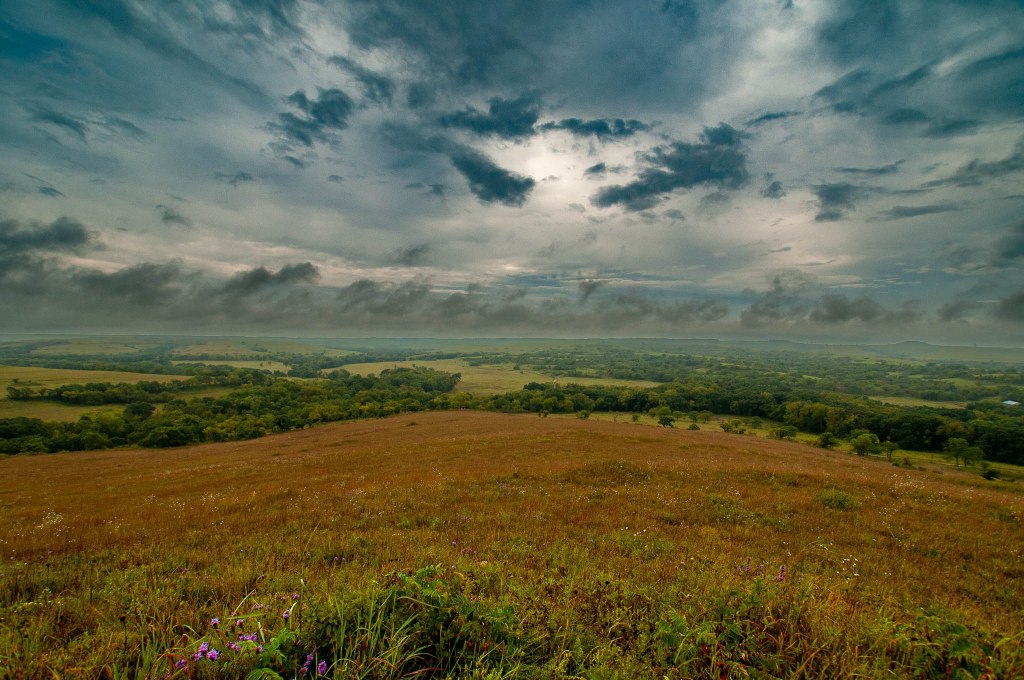
    Storm clouds over the Flint Hills

    There is truth, justice, and then the artist’s way. While they can all coexist but often they don’t. These things aren’t necessarily mutually exclusive but they oftentimes don’t play well together. Let’s take a look at the original version of the featured image.

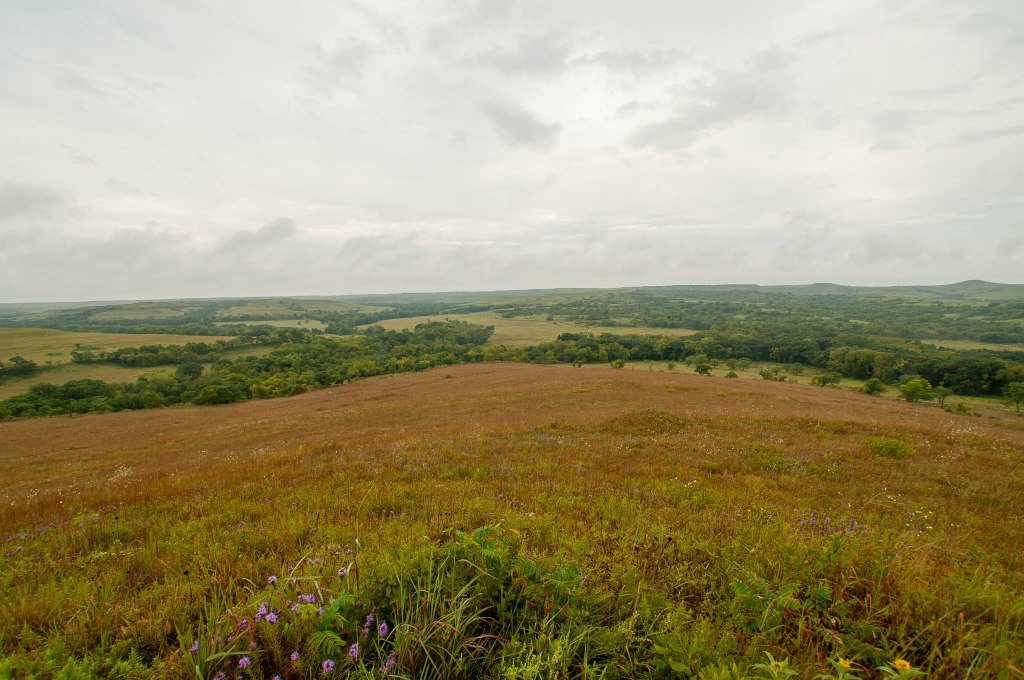
    The original version

    The version above is the way the camera saw the scene. It’s not nearly as compelling. Ah, if we adjust the exposure it will all be better you say. Maybe. I’ll get a bit more technical for a moment.

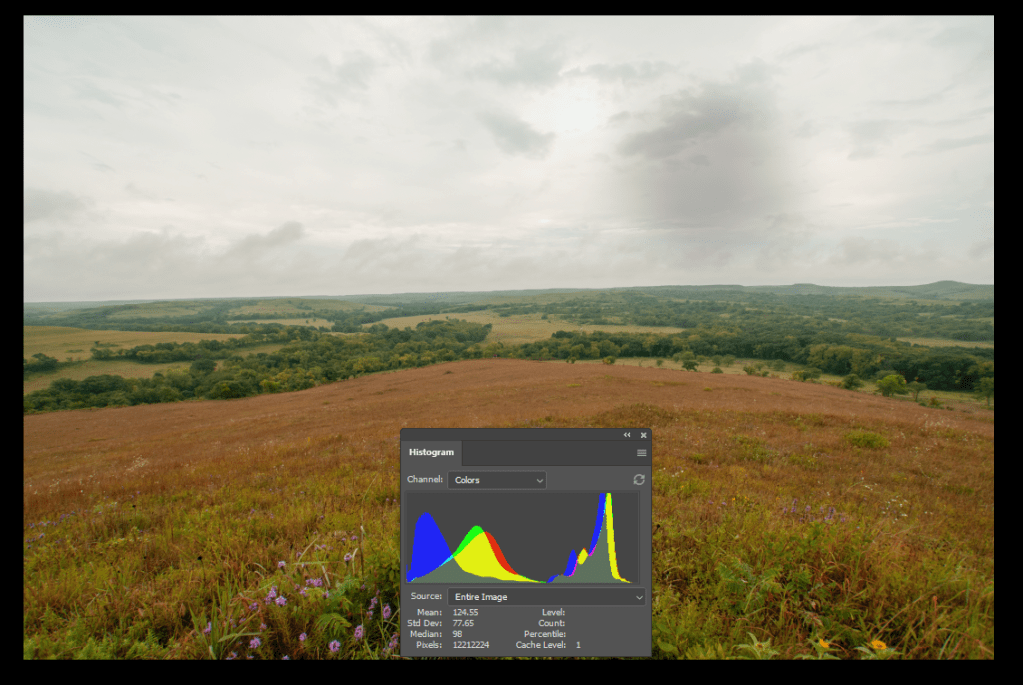
    Screenshot of the original’s histogram

    For those who may be a bit unfamiliar, the image above is a screenshot of the original image’s histogram in Photoshop CC. My camera would show this as a good exposure, neither under or over exposed.

    When I was at this location taking this photograph my eyes perceived it to be much more dramatic than what was captured by my camera. Due to recent rains the colors were much more saturated looking. The sky and clouds much more ominous looking.

    This is often the conflict I have with the truth in photography. I view much of the world, especially when out taking photographs, with the eyes of an artist. In viewing the world like this, my final image fulfills the truth, justice, and the artist’s way. To me, this is the truth. To me, fulfilled giving the scene its justice. To others, I may have changed the truth and did an injustice to the reality by fulfilling the artist’s way.

    I live by the code of what I believe is true to an artist. Have I achieved the level to call myself an artist? Maybe or maybe not, that I’ll leave for you to decide. To me, I believe I succeed sometimes and fail sometimes.

    Establish your truth, justice, and artist’s way. Set yourself free from the expectations of others.

  • What does reality have to do with it?

    What does reality have to do with it?

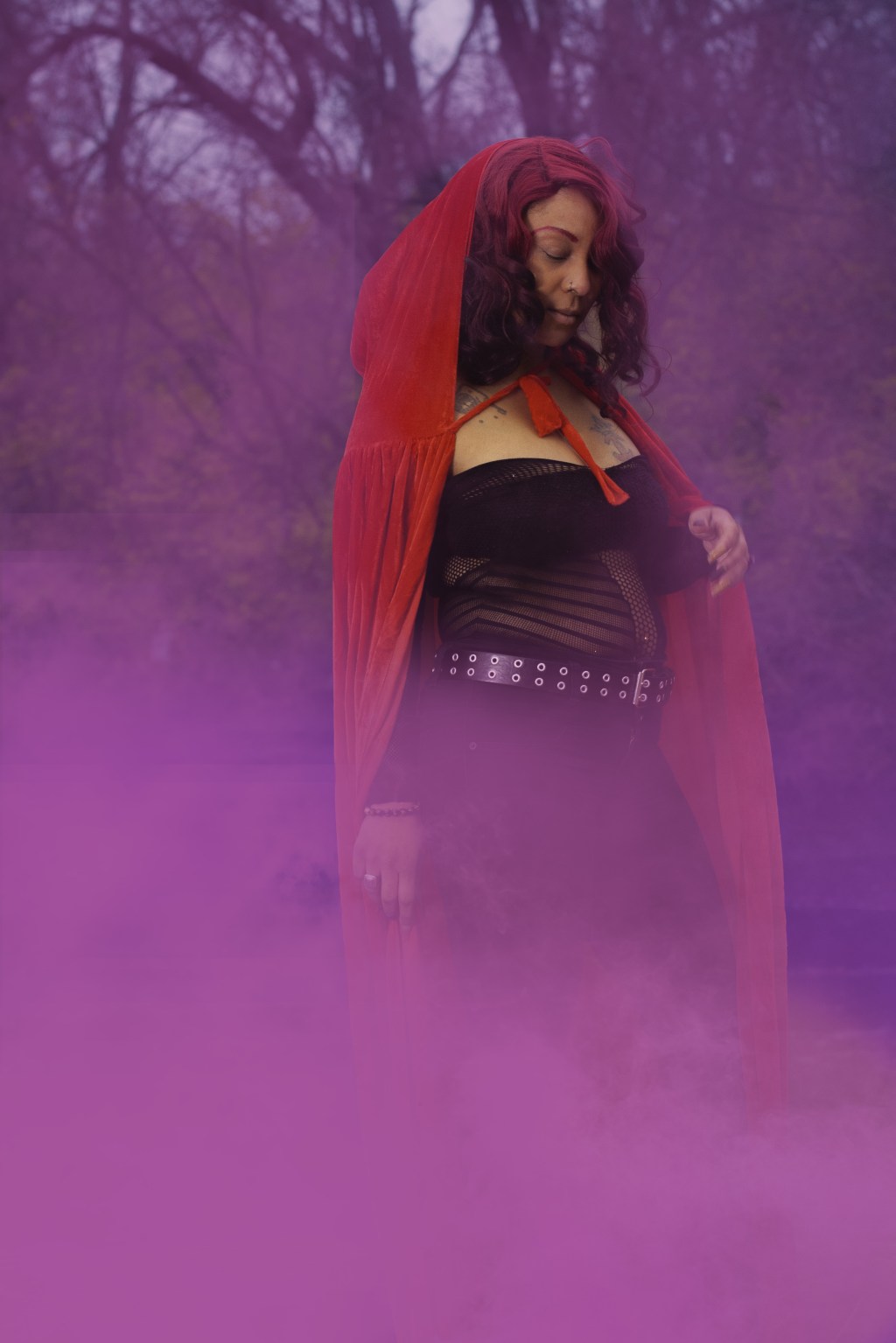
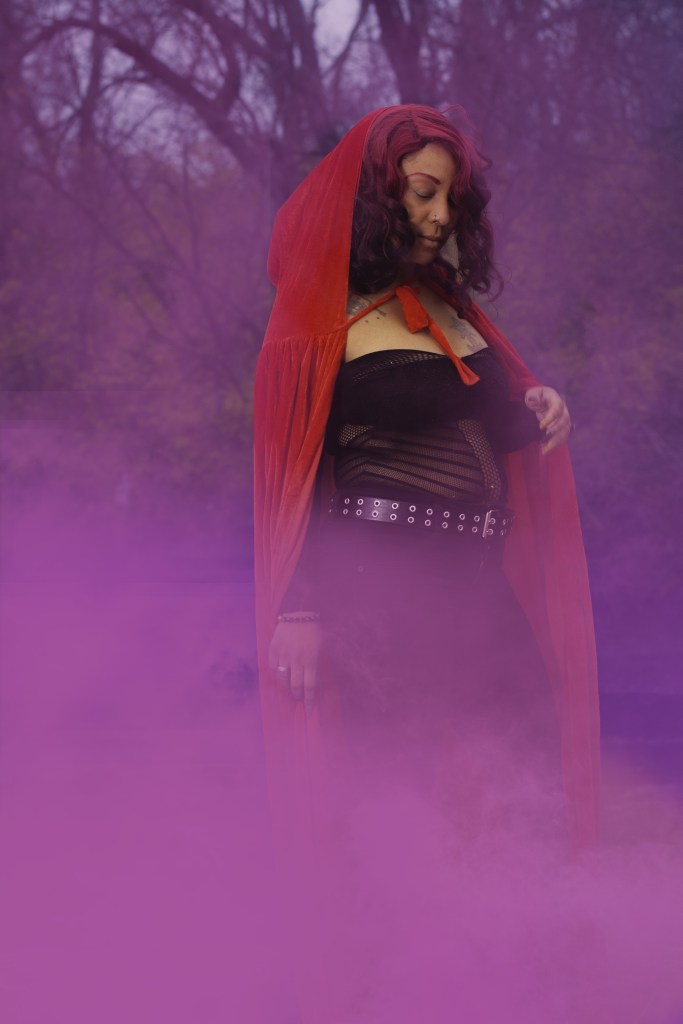
    Sorcerous in the pink fog

    Many times I work to create a fantasy world. When I do this type of photography what does reality have to do with it? Nothing. Many photographers would call this digital art and not photography. So be it. I work to create art with my camera, sometimes things just don’t work out.

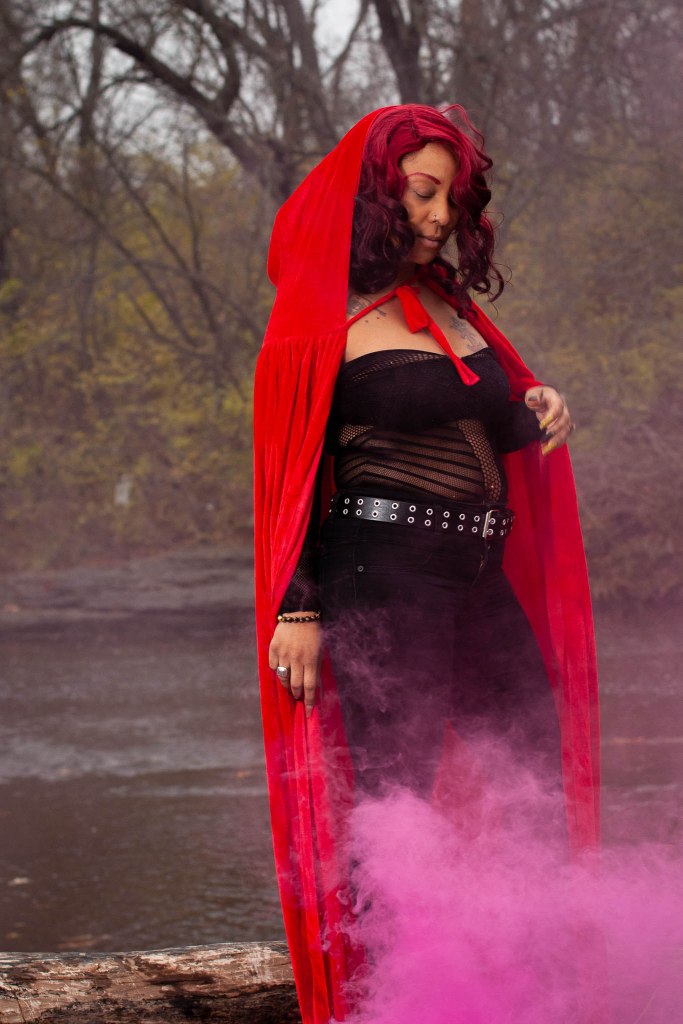
    Pink fog original

    When we were doing this session the pink smoke bomb didn’t give the results I was looking for in the image. So a little Photoshop magic and viola!

    It wasn’t a matter of not attempting to, as the purists say, “get it right in the camera. It just didn’t work. so changing something in the final development of an image through software or darkroom techniques may be required.

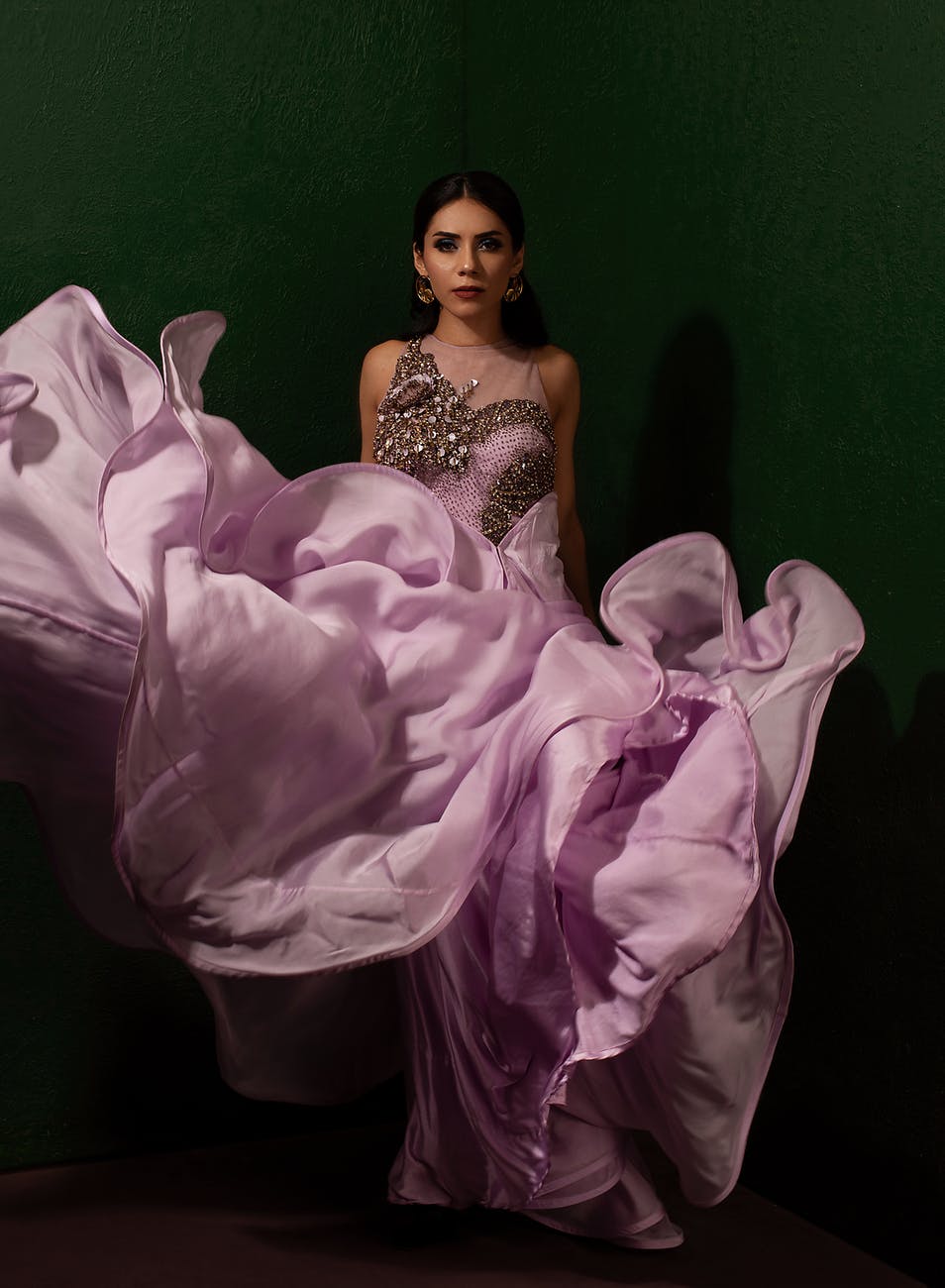
    Photo by Shobhit Bajpai on Pexels.com

    We’ve all seen these photographs of women in long flowing dresses where they are “floating”. Many of these have Photoshop magic, but we rarely question them.

    When creating fine art photographs does reality really matter or is it the results? Why is it that often photographers can’t accept a piece as art rather than work to discredit it because doesn’t fit their definition of a photograph?

    If you are like me, fuhgeddaboudit. Do your thing.