Tag: Photoshop

  • On the road photography

    On the road photography

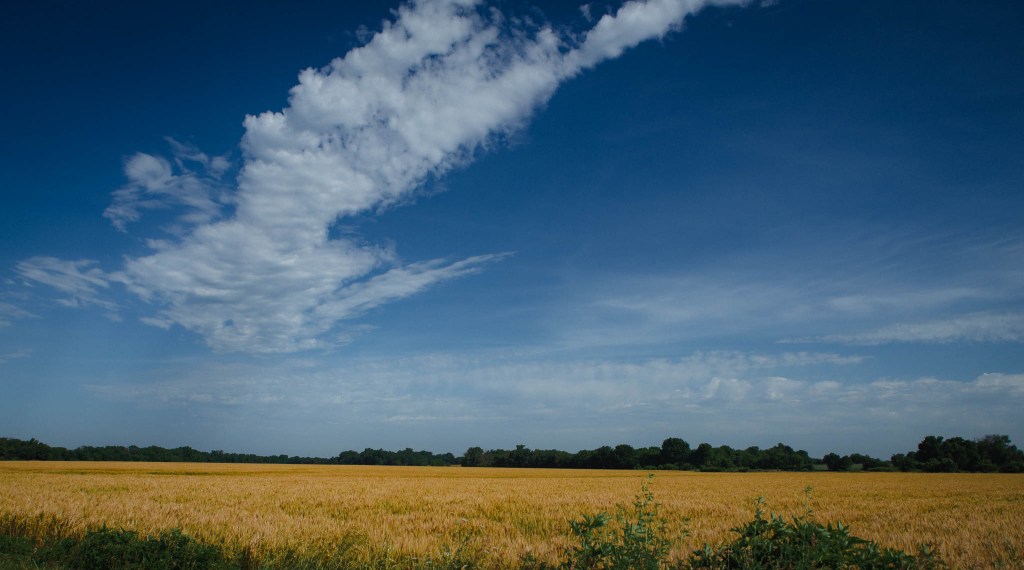
    A wheat field outside of Avilla MO

    Yesterday, I was on the road back home from a short overnight trip to southwestern Missouri. I decided to take a different route back home since I wasn’t in a hurry to get back. I discovered almost instantly on the way back, that the GPS navigation apps on my phone were somewhat lacking in helping me find a “scenic” route. Even after I changed some settings, the routes chosen were not the country backroads I was hoping to drive. After some choice words to the navigations system. The route adjusted somewhat.
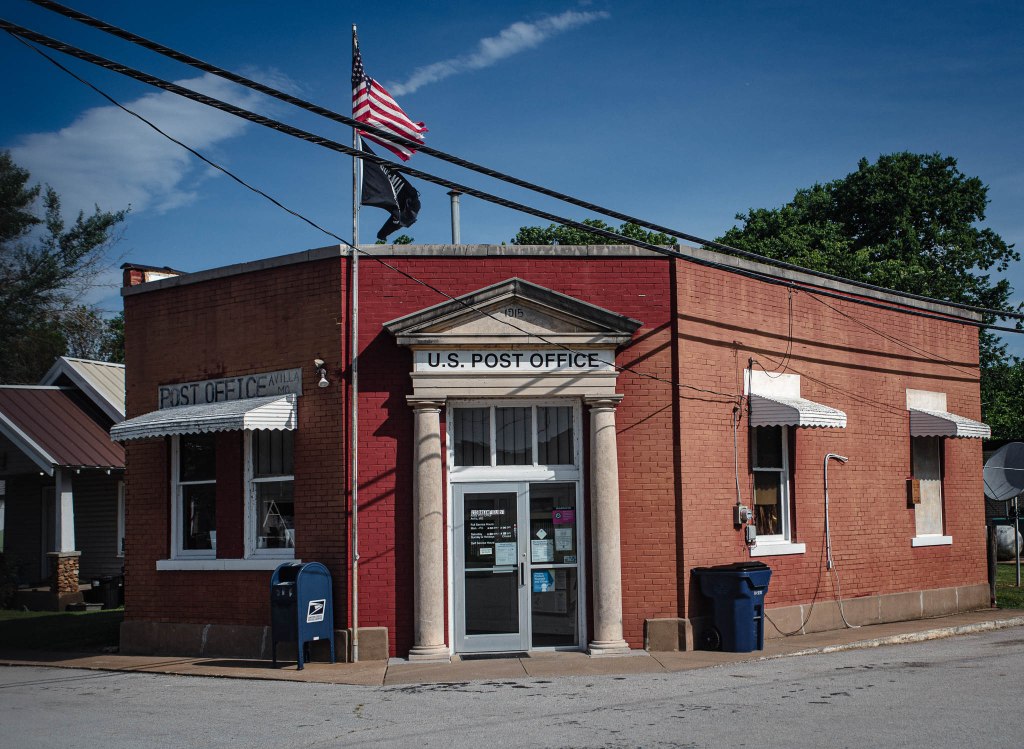
    The U.S. Post office Avilla MO

    We ended up taking the old U.S. Highway 66. The road still exists but it is no longer considered U.S. Highway 66. While driving along, we happened upon a small town, Avilla Missouri. The first thing that caught my attention was the small red brick post office. Apparently, at one time it had been a bank. Across the street was another gem.
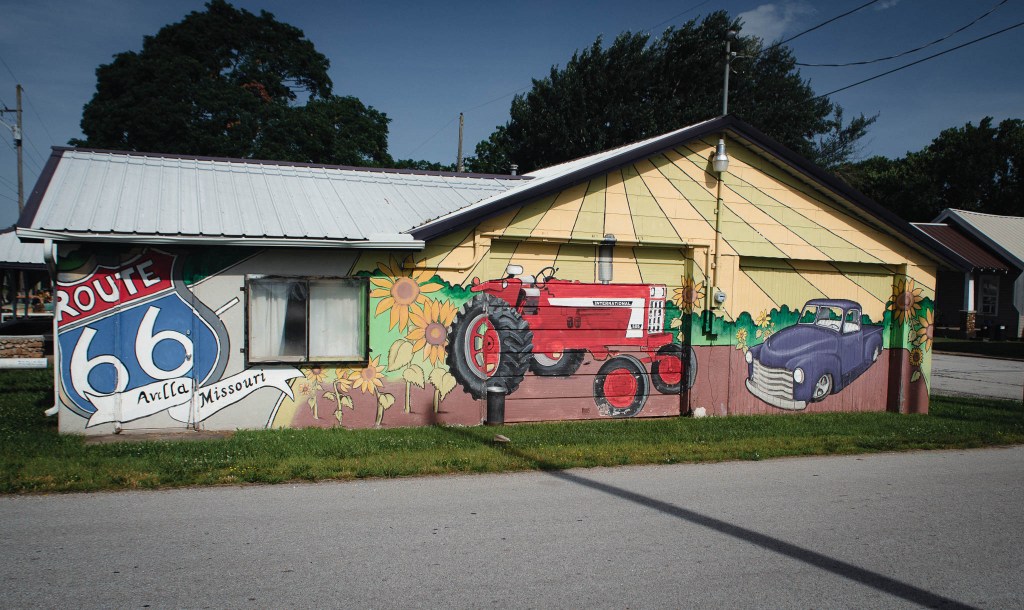
    Villiage Park murals

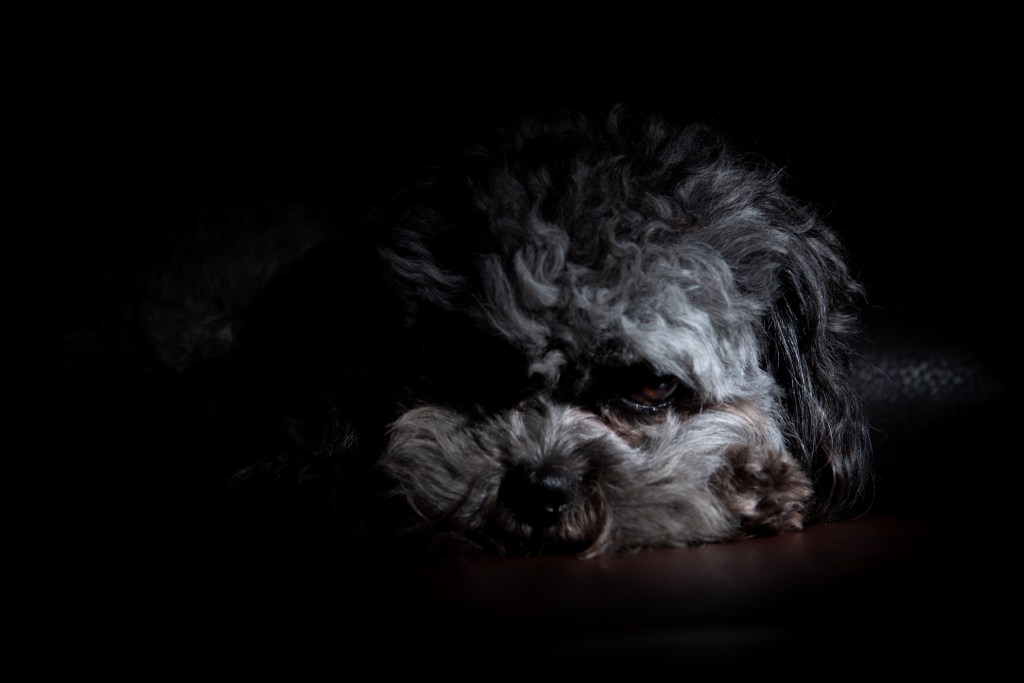
    I didn’t wander around much more but there were a couple of things that may have played out. This town was very small, with a population of 103. One of the reasons I didn’t wander around more was I had my little dog with me and he was a bit stressed out that I was out of the car even though my wife was with him. Yeah, he is spoiled. Maybe that is lesson two, go without my dog but he is my buddy.
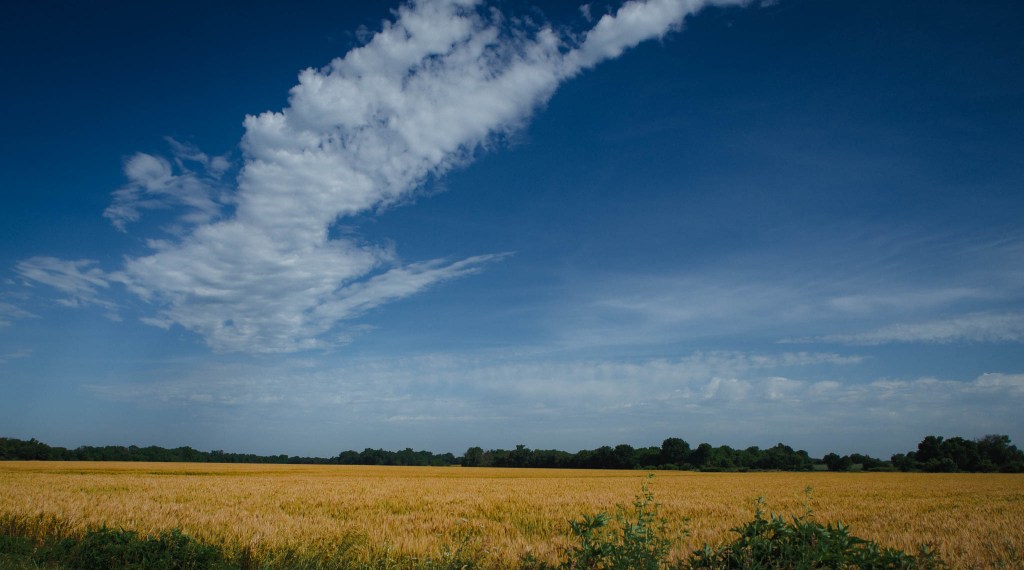
    Wheatfield

    Not long after we left the small town the navigation app had me turn onto a county highway. County Highway 80. County Highway 80, was a two-lane paved road with no shoulder to give you a mental visual. As I was driving along, I saw a wheatfield at an intersection. I stopped quickly and since it was fairly early on Sunday morning there was no other traffic. I was able to park on the side road and took the photo of the field you see above. What caught my attention was the golden color of the wheat, lined by the green trees and the cloud formation just above the triangle created by the trees lining the wheatfield.

    I’m not in search of a better way to navigate using the back roads to arrive at a predesignated location.


  • Did you Photoshop that?

    Did you Photoshop that?

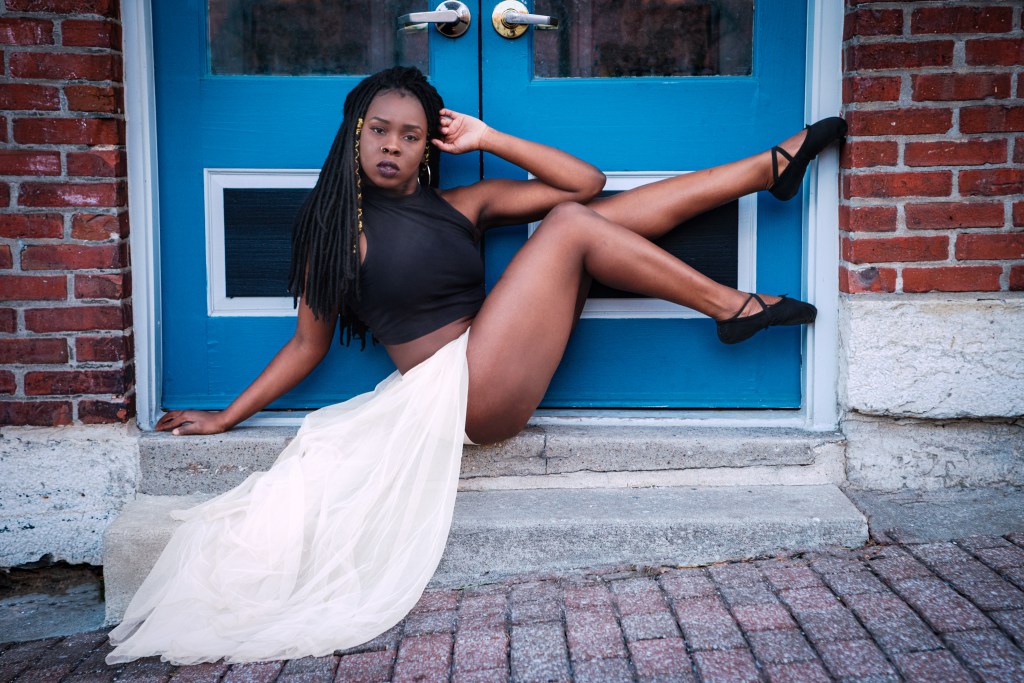
    Sorceress

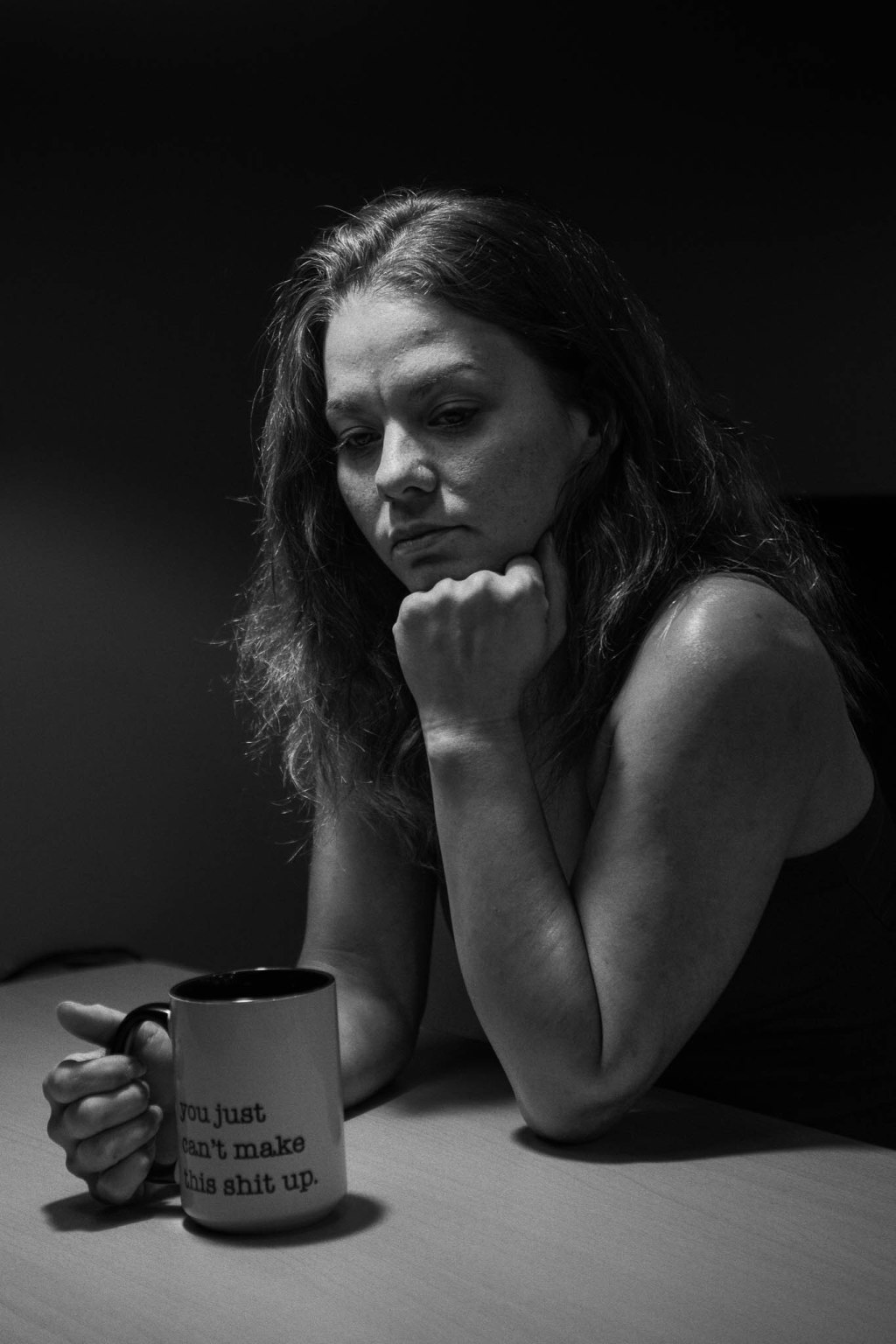
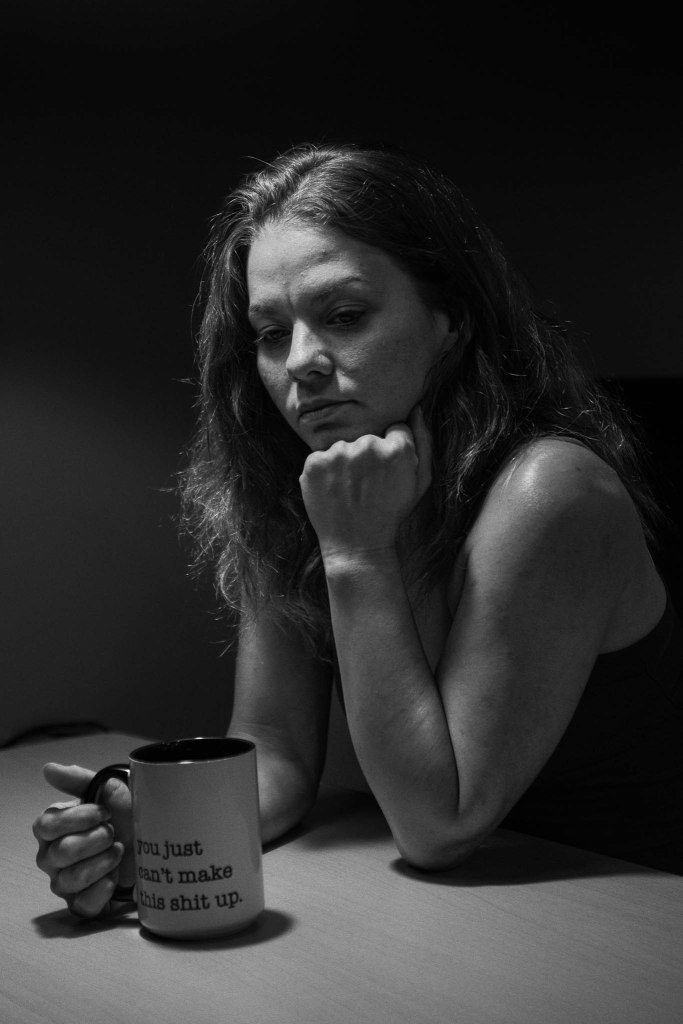
    I’ve seen people ask the question, “did you Photoshop that?”, not only of some of my work but also the work of others. In the past, I have answered that question with the statement, “I use a variety of techniques both when taking a photograph and in its development to achieve the look I envision”. As time goes on, I am beginning to think the question is an attempt to discredit the work. I am rarely a documentary-style photographer. My goal is to create works that I like and hopefully, others may find interesting or compelling. So does it really matter if I “Photoshopped” an image?

    If the photograph was taken using film we don’t often see the question asked about the process used to develop the film or the final print.

    Processing a print in darkroom days. https://fstoppers.com/post-production/how-photos-were-edited-darkroom-days-2994

    Digital processing techniques often had beginnings in the chemical darkroom. Dodging, burning, retouching, Few questioned those techniques but somehow many feel compelled to question current digital processes.

    Just like I’ve said about photography gear. The results matter, not the tools used to get there. There are a select few photography genres that require a documentary style with little to no development beyond the initial exposure but the rest, it is open to the vision of the artist. I’m not sure how I will answer the question, “did you use Photoshop” or “did you Photoshop that” in the future except that it depends on the context in which the question is asked.

  • Challenging landscape photography

    Challenging landscape photography

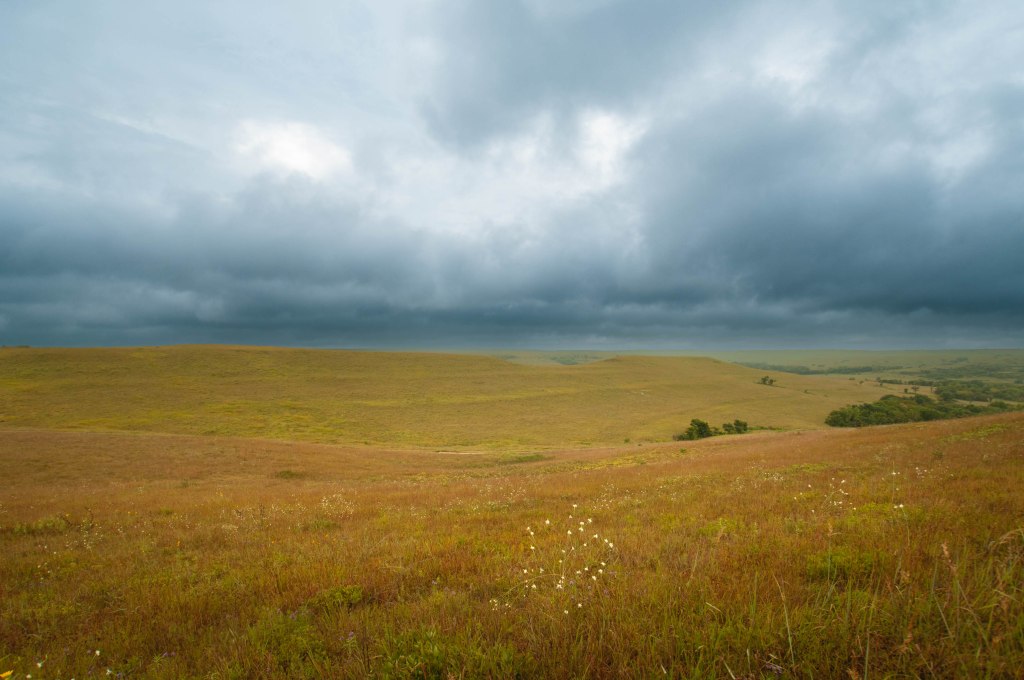
    Flint Hills Kansas

    As many of you may know, I look at lots of photographs. I study them and enjoy looking at photographs. I also read a lot about photography and photographic composition. An almost universal common guideline of composition in landscape photography is a foreground element. But, what if there is nothing for us to use as a foreground element? While visiting the prairie last fall, there were many places where the view was fantastic. Wide-open spaces, and dramatic skies but the only thing in the foreground may be a tall plant with white flowers. Maybe this is why it is difficult to find many photographs of these types of areas.

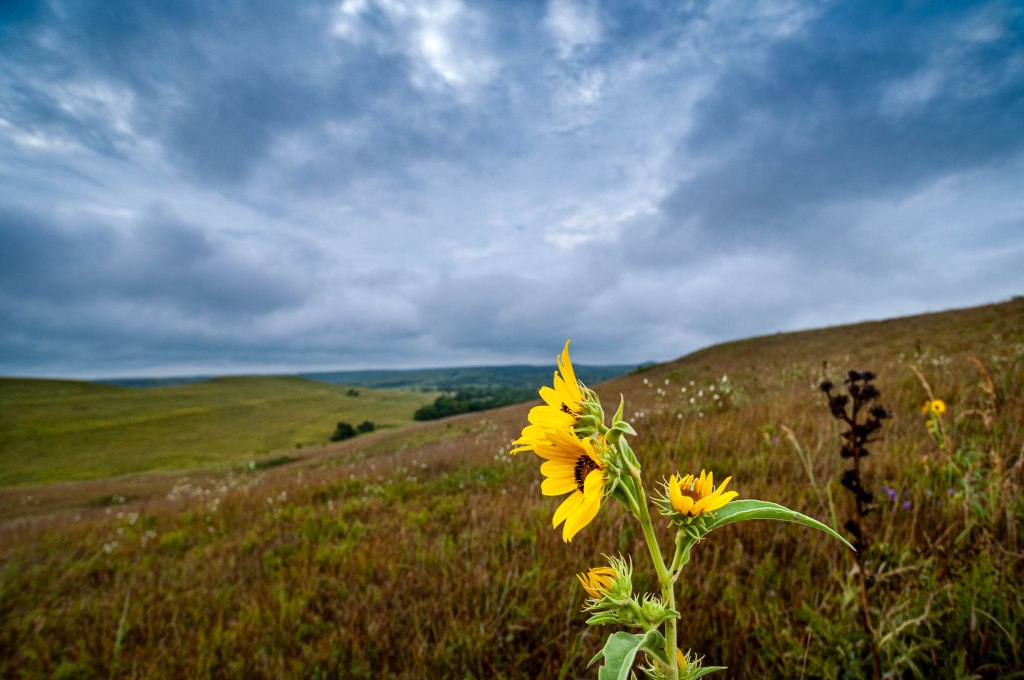
    Sunflower in the Flint Hills Kansas

    There were some areas where I could find a larger element to use, such as this one with a colorful sunflower. This trip, now nearly a year in the past has inspired a challenge for me. My challenge to myself is to revisit these areas and create a project on the vastness of the open prairie. Not always with the typical abandoned structure in the frame or the ranchers riding through on horses. I can find those images all day.

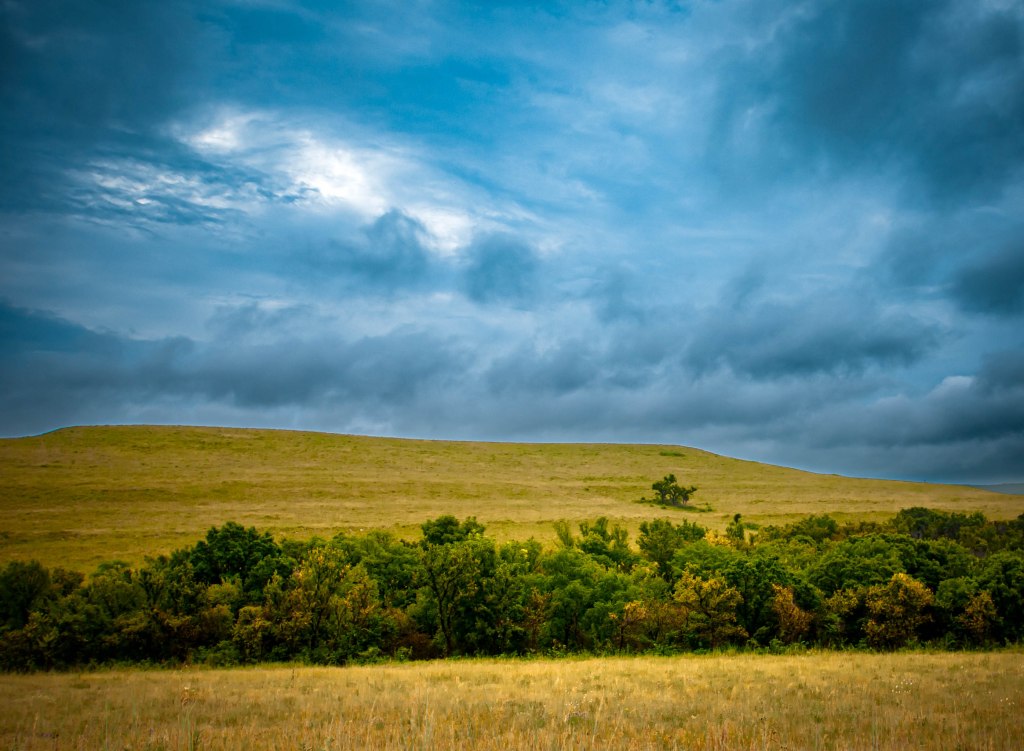
    Tree line on the prairie

    Find a challenge for yourself. Experiment with it. No photographic experiment is a failure as long as you learn from it. Take the lessons learned from the challenge and apply them to the next attempt. I will cause photographic growth.

  • Gear doesn’t matter, results matter

    Gear doesn’t matter, results matter

    Your choice of gear doesn’t matter. Results matter. If you can create an image with the simplest camera in the world that wows us, it doesn’t matter. People often comment in debates about gear and say, “You can’t take a super close-up of an insect without a macro lens”. Maybe, certain types of photography do require specialized equipment. I’m not talking about that. I’m talking about creating engaging, captivating, and beautiful photographs.

    A few years ago I would have argued that taking photographs with a cellphone camera wasn’t real photography. I was wrong! The best camera is the one you have at the time. It doesn’t matter. Results matter.

    Likewise, I don’t care if a photograph was developed using software or straight from the camera. Results matter. If I am captivated or engaged by a photograph it is a success. Gear doesn’t matter. I’ve seen photographs from photographers with all the best equipment money could buy and I wasn’t impressed with the results. At the same time, I have seen photographs taken with the simplest equipment that left me in awe. Results matter.

    Want better photographs? Become a better photographer. Gear doesn’t make you better. Skills and knowledge make you better. Sometimes, to get better you have to get out of your comfort zone. Push your knowledge and develop your skills using whatever equipment you have don’t be swayed by others with the so-called gear acquisition syndrome. Learn how to push the limits of your gear and grow your skills. When the limit can’t be breached then go for the gear. In the meantime, focus on results. Results matter, not gear.

  • Talk about developing not post-processing

    Talk about developing not post-processing

    I frequently search for podcasts to listen to while I work. Yesterday, I found a podcast, Outdoor Photography hosted by Brenda Petrella. Unlike many of the other podcasts, I listen to on occasion this one wasn’t riddled with advertisements or wander completely off the topic of photography. During the first episode, I listened to Brenda interviewed a photographer named Sean Bagshaw. During the interview the discussion turned to working on photographs in Photoshop. Sean was quick to point out he doesn’t like the term process or post process because it sounds like something you do in a factory. He said he preferred the term, develop. I like that. After listening to that podcast, I have decided I am going to start to refer to working on photographs in software as developing.

    Developing a digital image is not that different than developing film, the only difference is film is done with chemicals, light, and other physical tools whereas digital is done electronically with a computer and software. While it is true that post-processing and developing can mean the same thing it is a matter of words. The term developing an image sounds more traditional and maybe better accepted. After all, the toughest group to view our photographs are other photographers.

  • A photograph is an illusion of reality

    A photograph is an illusion of reality

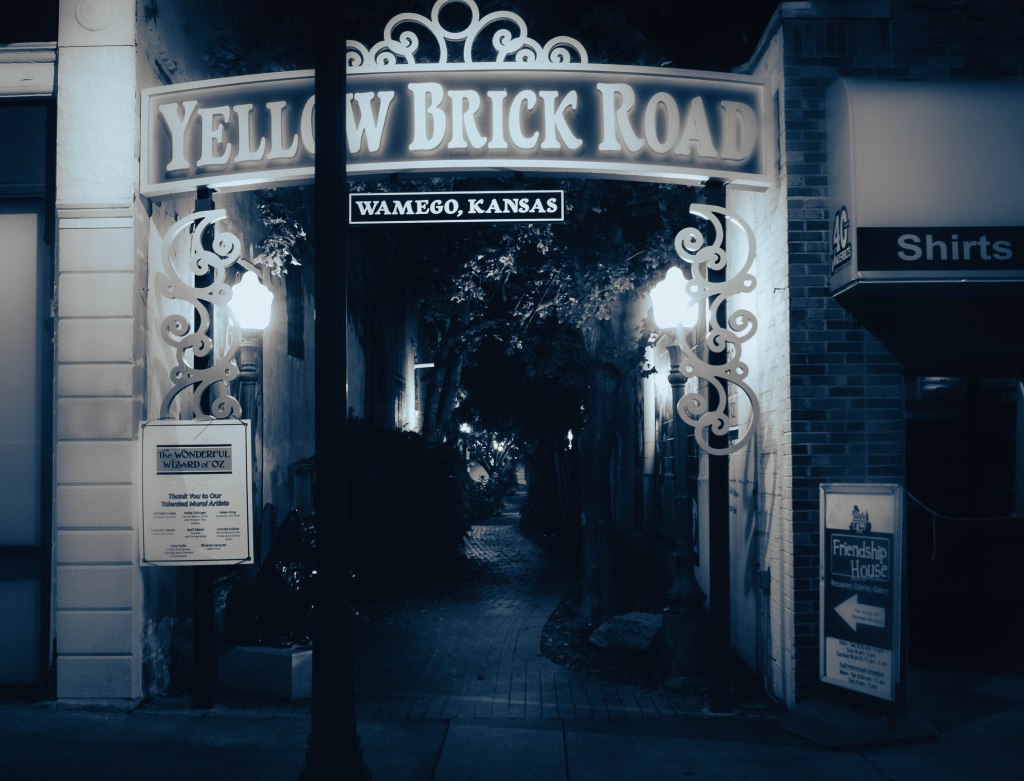
    Yellow brick road

    A photograph is an illusion of reality. No matter how much we attempt to capture reality in a photograph it remains an illusion. There is nothing wrong with that, I love photography and photographs, but since I have accepted the fact that a photograph is an illusion I have freed my creativity.

    When I saw this scene in Wamego Kansas I knew I had to photograph it. I wasn’t sure what I could do with it until this morning and the photograph was taken in September 2021. It took me that long to decide what to do with this image. The processing literally took about 2 minutes. The actual unprocessed photo was, well boring to me despite it being full of color.

    So why is a photograph an illusion you ask? A photograph is an illusion of reality for several reasons. It is a two-dimensional representation of a three-dimensional world. There are no sounds, smells, or other sensations other than sight. We alter reality further by the choice of our lens, aperture, and shutter speed. We alter reality by how bright or dark we choose to expose the scene.

    When we are doing forensic or documentary photography we should strive to present the illusion much closer to what the scene actually looked like at the time, but remember the photograph is merely one part of the story. Whereas, when we attempt to create a work of art from our photograph, there may be no words or written story to go along with the image aside from a title. The photograph typically must stand on its own. We create the reality we want! Don’t let reality stand in the way of your creations.

  • The need to learn photography moments.

    The need to learn photography moments.

    I sometimes think I go out with a camera and try too hard to find a photograph to wow me. It happens most often when I merely have a fuzzy idea of what I want. Then, as I write that I think of the Ansel Adams quote, “There is nothing worse than a sharp image of a fuzzy concept”. Not every photography outing or session needs to render that show stopper image. At the same time, I need to actually put together a project list rather than keep them in my mind.

    I don’t know if it is something many other photographers or artists do, but I am often easily distracted. Oh, look! A squirrel! It happens often with my creative photography ideas as well as in everyday life. It isn’t such a severe issue as to keep me from doing the things that really get done but it often gets in the way of projects.

    I often discover that some of the photographs I like best are those with little setup or planning. They were finds of the moment.

    On the other hand, I find many photographs that really grab my interest that was planned, set up, and shot with intent.

    I need to learn to not put too much pressure on myself when I take out a camera, and if I go with the intent to walkabout to take photographs to look for things that wow me at the moment. To quote another of the great photographers, Henri Cartier-Bresson, “There is nothing in this world that does not have a decisive moment.” So maybe we should all look for that decisive moment, maybe consciously at first so that we can then recognize it without thinking.

  • Sometimes your photography day is a failure for yourself.

    Sometimes your photography day is a failure for yourself.

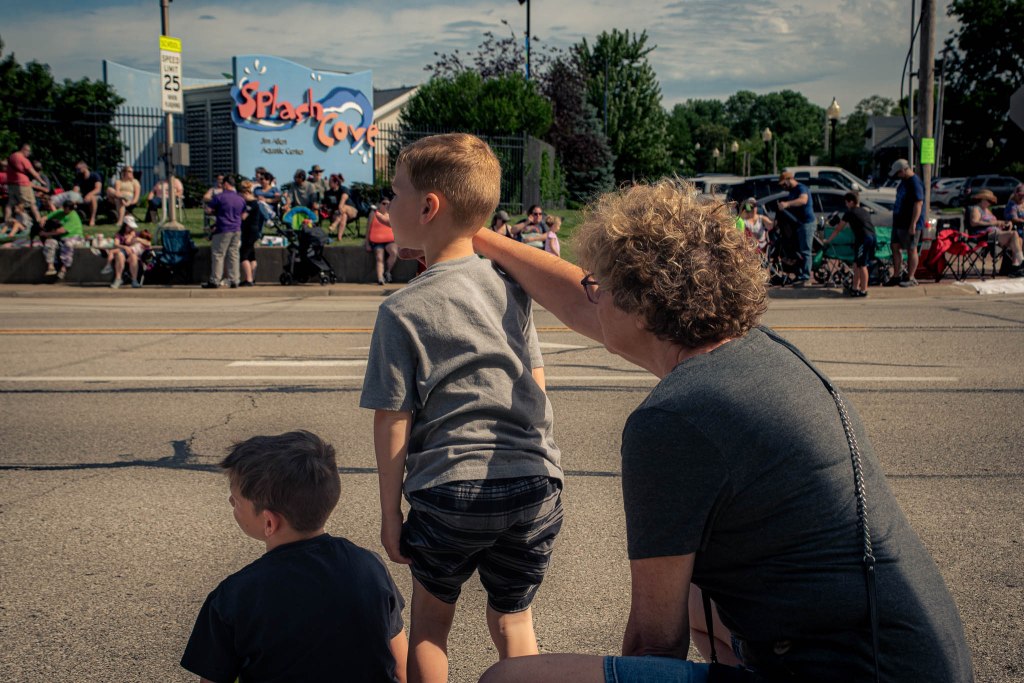
    Waiting for the parade

    I went out yesterday with my wife and grandsons to a parade and carnival. While I admit it was a bit more of a challenge because I also was helping supervise two young boys in amongst a significant crowd I was disappointed that out of 95 photos there were 6 I thought were decent. Less than 10%. I know it has been quite some time since I have attempted street photography. What I found difficult was the composition. I could have used a long telephoto lens but I feel like that is sniping people. I went out with a 24-70 f/2.8 lens.

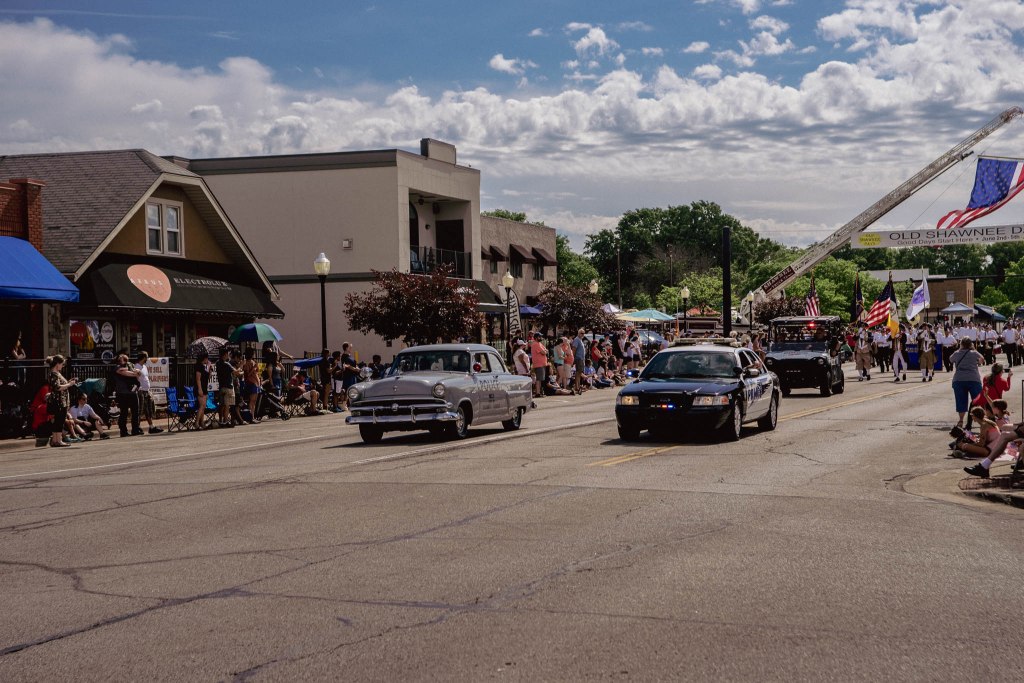
    The start of the parade

    I know there were many good subjects and opportunities, I just haven’t been able to find them yet.

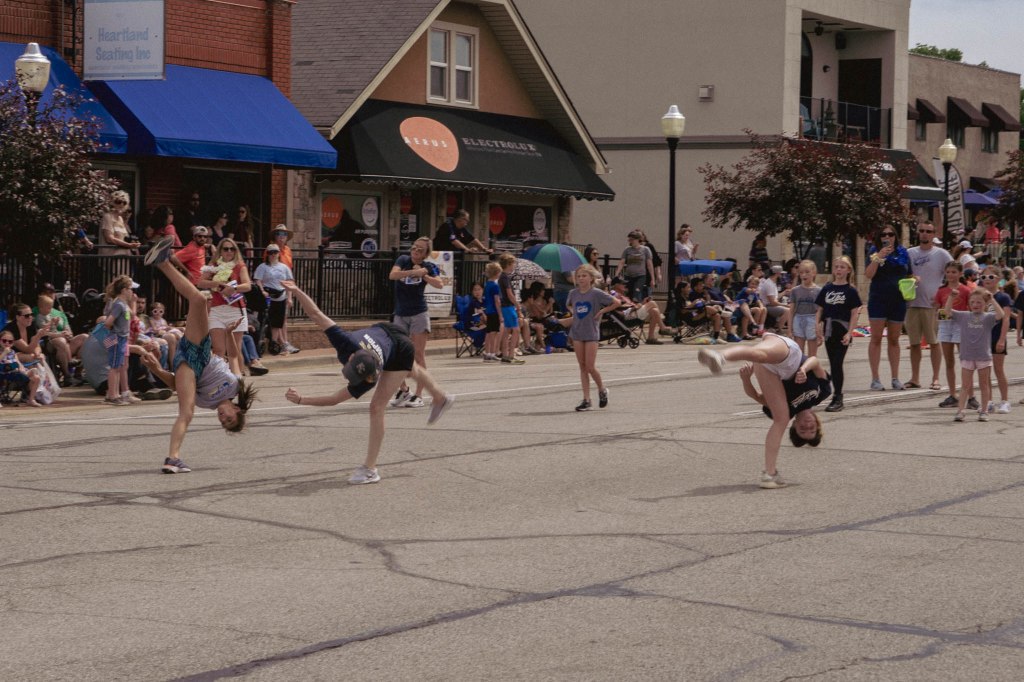
    Flipping dancers

    I did catch some action shots of some of the performers in the parade.

    A kid and his ballon

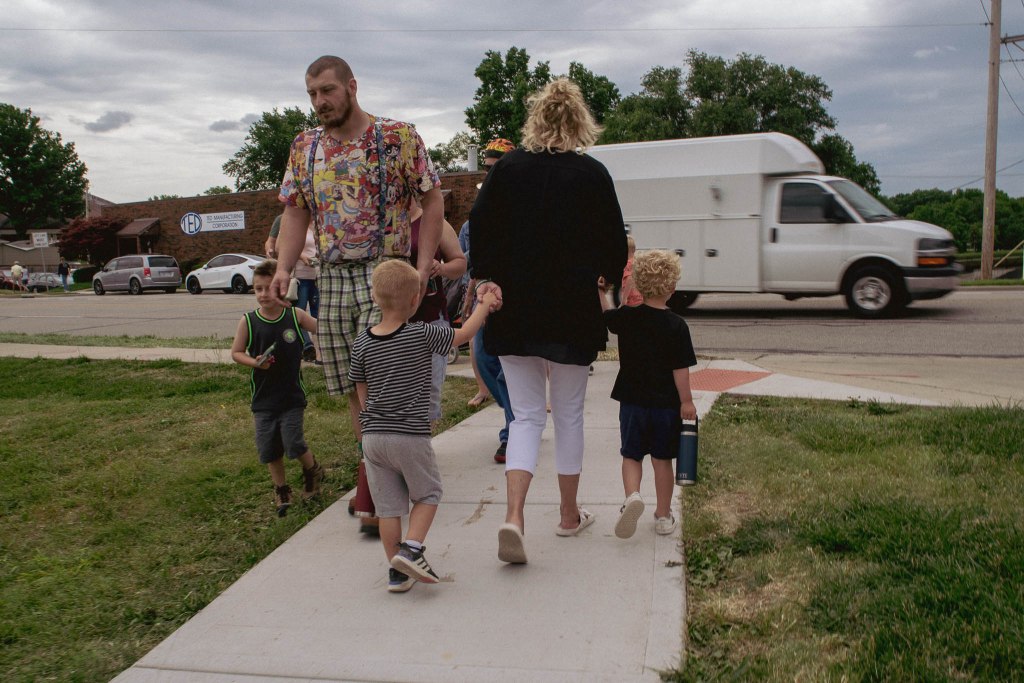
    There were some interesting clothing styles that caught my attention and lots of colorful scenes.

    Color matching

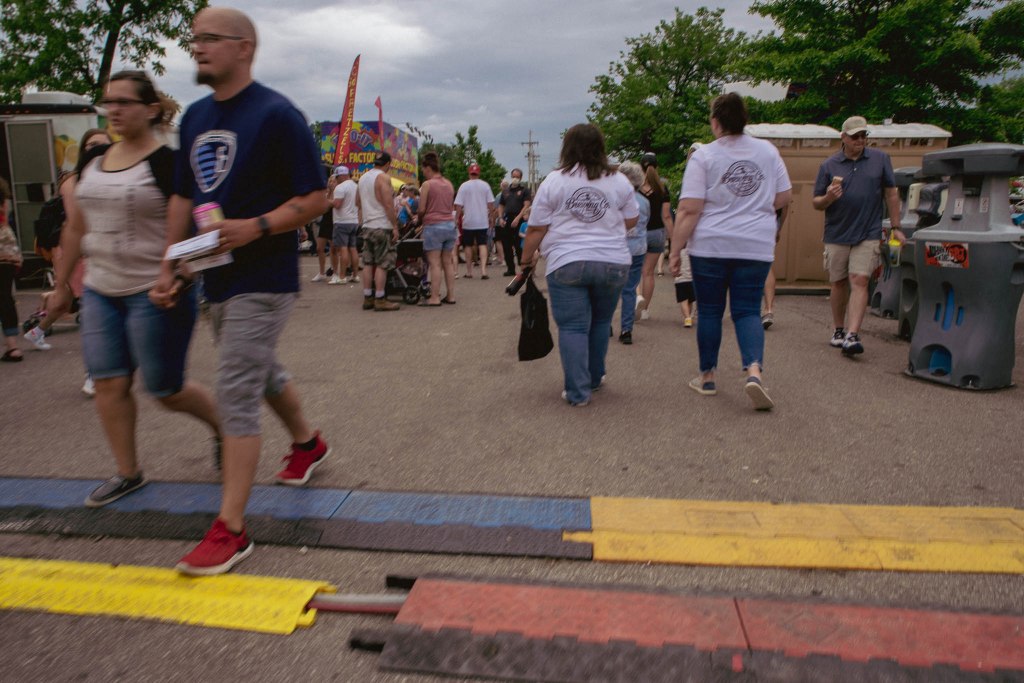
    What I found most to be a most difficult challenge was to photograph the people and the crowds without attracting attention which often results in a pose rather than natural actions.

    The crowds

    Maybe I had too high of expectations and need to revisit these images in a few days after all, I am often my hardest critic.

  • Every photograph is edited

    Every photograph is edited

    Every photograph is edited. Yes, I said it. Oh, you shoot film you say. It is edited. The editing starts with the selection of film, then the selection of the developer, then the paper. Do you shoot jpeg, and straight from the camera? It is edited. The camera decides how the image is processed, you give total control to the camera. You shoot raw and just do an import and basic export, most likely your software adds some basic adjustments.

    One of the greatest, in my mind, photographers was Ansel Adams. Ansel Adams did extensive processing of his photographs. One of my favorite quotes from Adams’ book “The Negative” is; “It is important to realize that the expressive photograph (the “cre­ative” photograph) or the informational photograph does not have directly proportional relationship to what we call reality. We do not perceive certain values in the subject and attempt to duplicate them in the print. We may simulate them, if we wish to, in terms of reflection density values, or we may render them in related values of emotional effect. Many consider my photographs to be in the “realistic” category. Actually, what reality they have is in their optical-image accuracy; their values are definitely “departures from reality.” The viewer may accept them as realistic because the visual effect may be plausible, but if it were possible to make direct visual comparison with the subjects, the differences would be startling.” In other words, his photograph, although accepted as realistic, is a huge departure from the actual scene.

    This debate about the use of programs like Photoshop happens virtually every day and frankly, it is tiresome. If you don’t want to use it don’t but don’t try to place your standards on me. If I want to use it that is my choice. Regardless of the opinions of the purists, their photographs are also edited they are just edited in a slightly different way. The first composite photographs appeared over 160 years ago!

    In the end, it doesn’t matter. Create the image for you and use the tools you wish to use. It’s all good and they are all photographs.

  • Hard truths about photography

    Hard truths about photography

    We see all sorts of headlines for blogs, articles, videos, and books saying something like, “30 days to better photography”, or “8 Surefire ways to improve your photography”. What we don’t see so much is headlines or books telling us the hard truths of photography.

    Hard Truth One

    Photography like any other project takes time and practice to become good. There, typically, isn’t a simple 30-day recipe to get better. I get it, these people want to grab your attention, buy their product, visit their website, and get bombarded with ads and email campaigns.

    Hard Truth Two

    There are no real surefire ways to better photography. There are ways, but I would hardly call them surefire. The “way” may work it may not because we are all different. Again, I get it. They’re trying to make their money.

    Hard Truth Three

    Despite people saying they want an honest critique of their work, most do not. I used to give critiques of photographs. I rarely now offer critiques because I take giving a critique seriously. I spend some time studying a photograph, I make notes, and then I write my critique. The next person writes, “Love it”.

    The wrap

    I could go on and on about the hard truths, but that is not the intent of this blog. My intent of this whole blog site is to encourage, motivate, inspire, and give my honest thoughts. My honest thoughts about most of these headlines are to read with caution. Be skeptical but pay attention. Don’t be afraid to try things you’ve read about but don’t get lured into thinking it is going to be quick and simple. If you’re serious about your photography it won’t be quick or easy. Pay the price of time, dedication, and hard work. These things don’t guarantee success but they can be their own reward when you begin to create the imagery you love. Next week, you may come back to the previous week’s work and wonder why you thought it to be good and strive to do better. A quote I heard from a photographer several years back goes something like this, “If you could have made this photograph 5 years ago you’re not growing”.

    Let’s grow and improve together.