Tag: Photoshop

  • Why photography

    Why photography

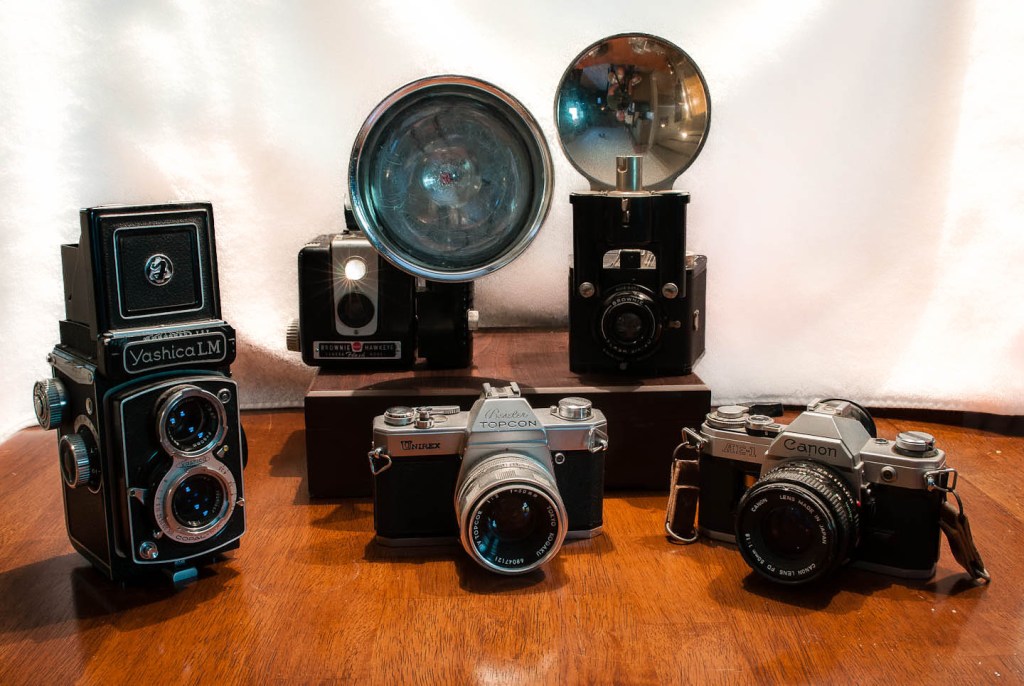
    Why did I choose photography over many other hobbies and artistic pursuits? It is often a question that I don’t have much of an answer to. Like many others, we took photographs of trips and special events (birthdays, Christmas, etc.). Then in the early 1980’s I received a camera, a Canon AE-1, as a gift. At first, I bought the film, and once the roll was completed I took it to one of the 1-hour photo stores. Eventually, I got into developing my own black-and-white film. It was a bit technical and a bit artistic, and being somewhat of a geek and nerd I liked the technology of it all. As a kid and into early adulthood, I was a huge fan of sci-fi and drawing. I enjoyed technology, yeah I was one of those kids who had a “scientific” calculator I carried around the school.
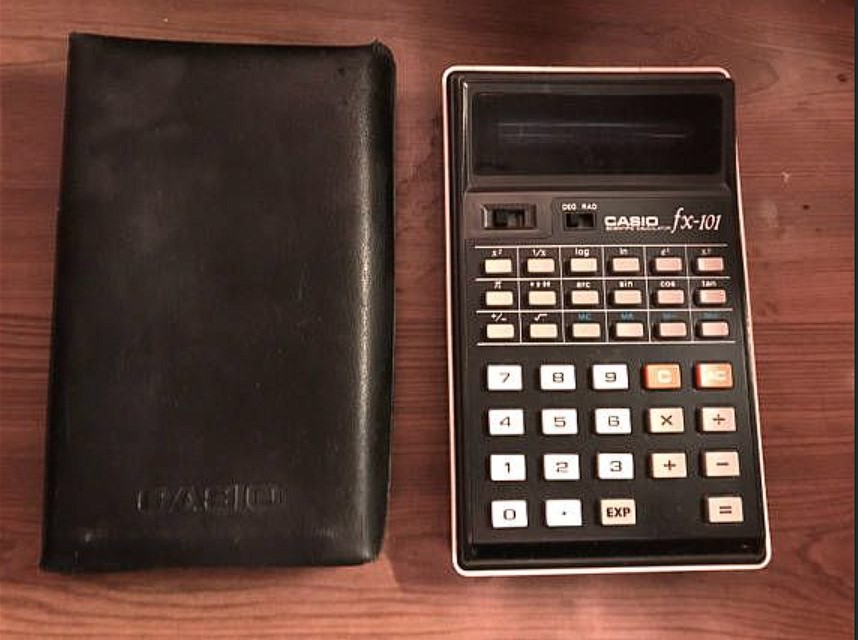
    I watched Star Trek (I’ve still got my Star Fleet Manual somewhere) and learned to use a slide rule along with the calculator. I somehow changed paths and went into a completely different field of work and spent most of my adult life in a field that was far from geeky nerdy. It seemed like the photography thing was going to get me back into that lifestyle since most of the people I knew who had cameras and darkrooms were nerds.

    In the early 2000’s I switched to digital cameras but was still pretty much a “reality” based photographer. I mean I did experiment with post-processing but worked to “keep it real”.

    I then retired for the first time. I began a real photography school. That changed things for me. The coursework forced me into different genres of photography. I had assignments to produce work that I would have never tried otherwise. It opened my eyes and mind to becoming more creative and not necessarily attempting to replicate reality.

    For me, photography gives me the freedom to go from reality to surrealism. It allows me to explore the world around me and then create new visions if I so choose. I can create artwork at home or on the road. I can set up a scene inside or wander the city and countryside. I’m not limited to producing my work at a table or easel. Photography can be instantaneous or a longer process. Photography is both magic and science which as a geek and nerd fulfills that need and also feeds my artistic side of me by allowing me to create whatever I can imagine.

    Why did you choose photography, I would love to hear your story.
  • Time spent studying photographs

    Time spent studying photographs

    I spend a lot of time studying photographs. Not just the photographs I take but also photographs from others. Some of the others I know, and some of them I don’t know. I say studying because I don’t merely look at the photographs. By studying the work of others I find styles and techniques I like, things I had not really considered before, and things I don’t like.

    It is said the average person spends about 15 to 30 seconds looking at a piece of artwork in a museum. 15 to 30 seconds! I suspect that may be much lower when we’re talking about viewing images on social media or a website and yet there are lots of people willing to give a critique or opinion on a photograph on social media after spending a few seconds viewing it.

    Studying the photographs and artwork of others is a way I have found helps me become more creative. I don’t attempt to copy what others have done but use their work as a springboard for my own work, especially if I see something I find compelling. Try it, browse through the work of others, and spend more than a few seconds looking at each photograph. You may be surprised at what you see.

  • What was the last new thing you learned?

    What was the last new thing you learned?

    It is often said that we should never stop learning. With that being said what was the last thing you learned pertaining to your art and photography? When did you learn it? I would like to offer a thought. If you haven’t learned anything new about photography and your art creation, you may not be progressing as a photographer or artist.

    The last thing I learned about my photography and art was a few days ago. I learned more about the AI masking features in Adobe Lightroom and Photoshop. I knew the existence of the tools but I was not using their full potential. In fact, there were a couple of options I was not aware of. Prior to that, I learned what is important to me in my photographic art journey which was something I had struggled with for the past couple of years.

    If you haven’t learned anything new, or for that matter, relearned something you have forgotten, make that a goal for the next 30 days. Learn something new, and continue learning and progressing. Remember we have at the tip of our fingers access to a whole wide world of knowledge.

  • What does it matter?

    What does it matter?

    I mentioned yesterday that I watched a webinar given by a well-known photographer. During the webinar a question was asked, “is that a composite or in-camera shot” pertaining to a photograph he showed. His first response was, why does that matter? This is exactly what I say about such photographs when people ask, is that Photoshopped?

    With film, you don’t hear people asking how the image was processed in the darkroom. Questions such as, what chemicals did you use? Did you dodge and burn? How long did you process the film in the chemical wash? What were your settings on the enlarger?

    I’m not sure about others but I work to create art not a copy of reality. As good as my camera is, it still cannot create the art I envision. Sometimes, I underexpose a shot to preserve highlights and then bring up the exposure of the subject in post-processing. Sometimes, there are elements that cannot be cleaned up that get included in a shot that distracts from my vision and those elements are removed in post-processing. Sometimes, the lens is too sharply focused and I envision a softer focus which is achieved in post-processing.

    In the end, you either like a photograph or you don’t. If you like it does it matter how it was processed? Likewise, if you don’t like a photograph it also doesn’t matter. It’s all subjective and about the art, not the process of creating the art.

  • Winter can be a difficult time for landscape photography

    Winter can be a difficult time for landscape photography

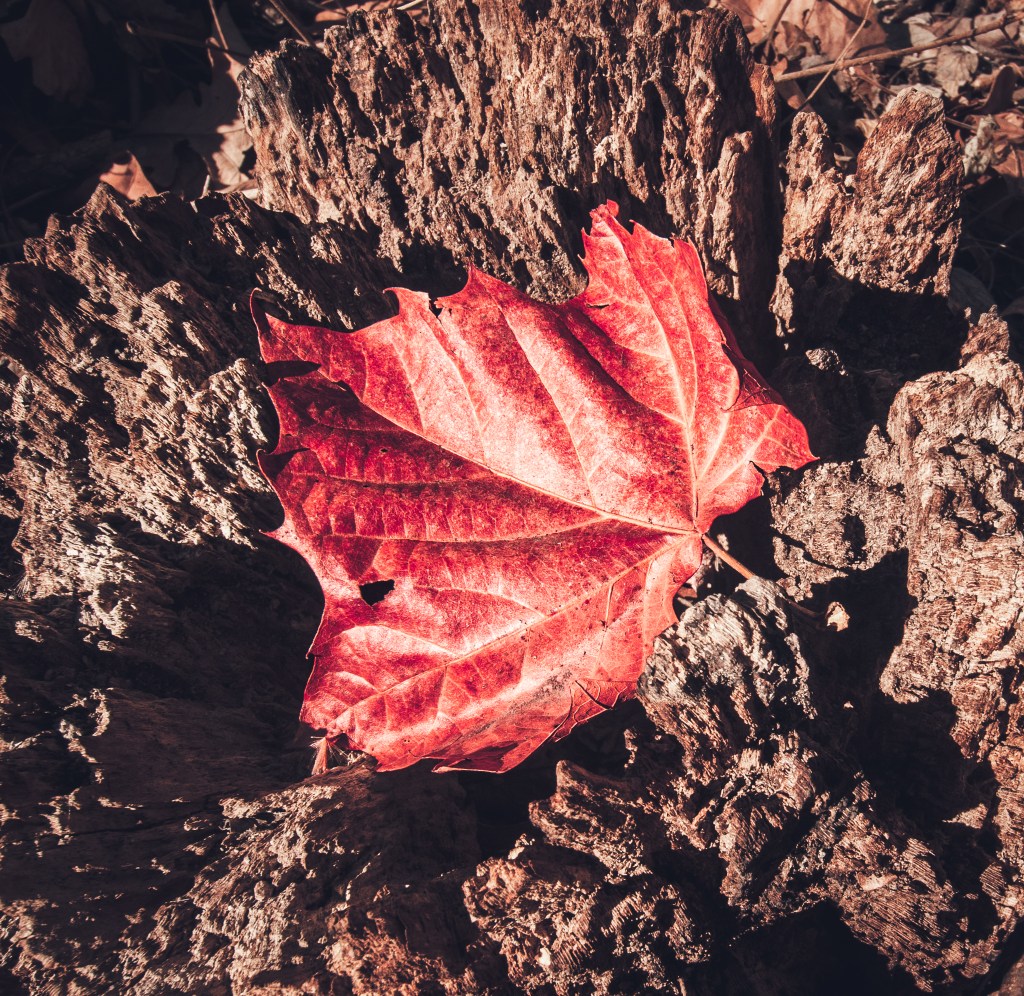
    Winter time can be a very tough time for landscape photography, especially in the midwest. Nearly everything is some tone of brown. The grass is brown the trees are brown, and the leaves are brown. One must often look carefully for any color. Even if you’re converting to black and white it is all about tones and when everything has a similar tone it is difficult to get much separation. It can be found, just keep looking. This is the time of year to challenge your creative eye.

  • Have I become too selective?

    Have I become too selective?

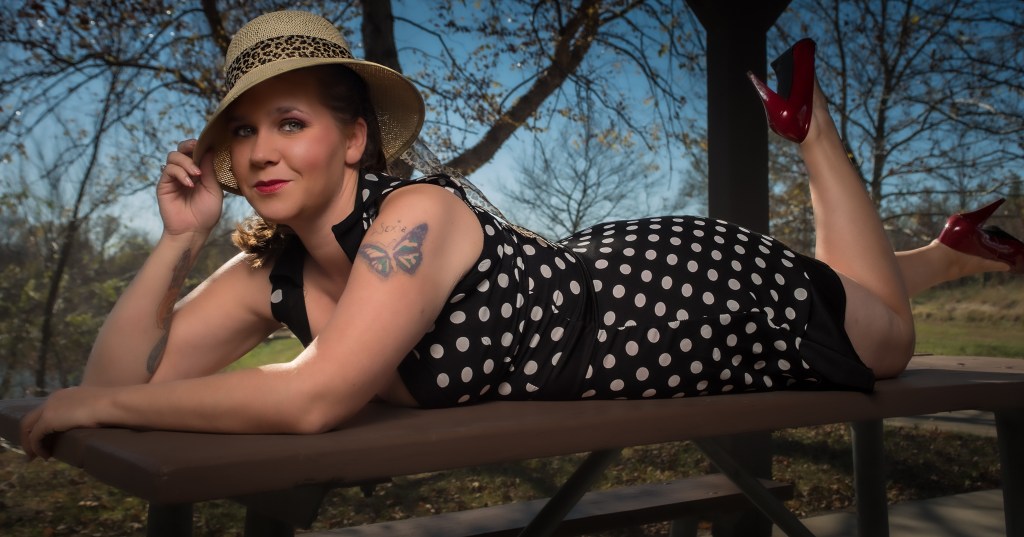
    I used to be able to just point my camera at something and snap a picture and be satisfied. Now, I go out and may take several pictures and get back and think eh! I do believe that it is for the best, sometimes. The reason I say so is because of the photograph above. I was just browsing my catalog of “assets” (as many call their catalog of photographs) and my wife asked me, “when did you take that one?” The photograph above I took just over a month ago. When I took it I thought it was decent. I converted it to black and white, I believed the color was distracting, and the more I looked at it the more I thought eh, it’s okay but. What I found interesting was that someone else saw the photograph and it caught their eye. Now that got me thinking maybe I’ve become too selective. Maybe I am looking too hard for a wow factor and not finding it, the proverbial can’t see the forest for the trees. Maybe it is time for a reset, you know, “have you tried turning it off and back on again?

    I’ll be back tomorrow, I’m restarting my system.

  • Why do I take a lot of sunrise photographs

    Why do I take a lot of sunrise photographs

    I take a lot of sunrise photographs and I’m sure many of you may wonder why? I’m an early riser, most of the time I’m awake and up before the sun rises. I find each sunrise unique. Taking a photograph of the sunrise also gets me out and thinking about photography and creating art. Sometimes, like today, I grab my “real” camera and set up the shot. Other times I use my cell phone. It doesn’t matter which camera what matters is to start the process for the day.

    While there are many days I may not take many other photographs taking a photograph of the sunrise starts my new day, getting me thinking about art and photography. It generates the mental flow of developing concepts and techniques.

    What stimulates your thoughts of creativity and art, I’d love to know.

  • Is creativity dying?

    Is creativity dying?

    Something I have been noticing a lot lately is there appears to be a trend toward the mundane with photography. It hasn’t been just one source, but rather many. Every day, I browse through a variety of websites looking at photography. I do this just to see what others may be doing, looking for things that will inspire me to be more creative. My intent is not to copy but rather develop my own concepts by viewing the creativity of others.

    What really brought this to the forefront for me was there were a few of the so-called go-to sites that have always inspired me. For the past few weeks though, I have found myself scrolling and scrolling through these sites finding nothing but boring, un-interesting photographs. I mean photographs that I can’t move to the next fast enough. It is estimated that we spend between 15 and 30 seconds viewing a piece of art in a museum. I conducted a rough estimate of the time I spent viewing new photographs submitted to one of my go-to photography-sharing websites which previously was chocked full of wonderful pieces of work. I was spending, roughly, 1 to 2 seconds viewing images. Not just a handful of images but pages and pages. Even if I go to the popular photographs as voted by the visitors I see a significant percentage that appears to be popular merely because they include a scantly dressed or nude woman.

    Is creativity dying? Is it because we are in the instant gratification of digital photography surrounded by one-click presets? Is it because we wish to follow what appears to be the popular trends set by others? Is it because we have become used to being told what to think and believe? I am not sure of the reasons behind this but I do believe we, as artists, need to go back to creating and inspiring the world around us. We need to get back to innovating rather than merely regurgitating what is popular and trendy. If not I fear that we will move back to the realm of boring and unimaginative photography.

  • The fear of missing out

    The fear of missing out

    I was doing what I often do to come up with a topic to discuss today, just browsing through my catalog of photographs when I noticed a common issue. Why do we usually take so many photographs? In the session where the photograph above came from I found I still have 652 files. Ninety-plus percent of them will never likely see the light of day. A friend of mine also recently commented about people “bragging” about how many photographs they took during a session. Are we doing this because we can? Are we afraid of missing out? Would we be better off planning and taking two or three photos rather than 10 of a similar pose.

    For me, a similar issue is just pointing the camera at something and snapping a photograph. What is the purpose? Why this scene or subject matter? What, if anything, am I attempting to say or relate to the viewer? Is it interesting?

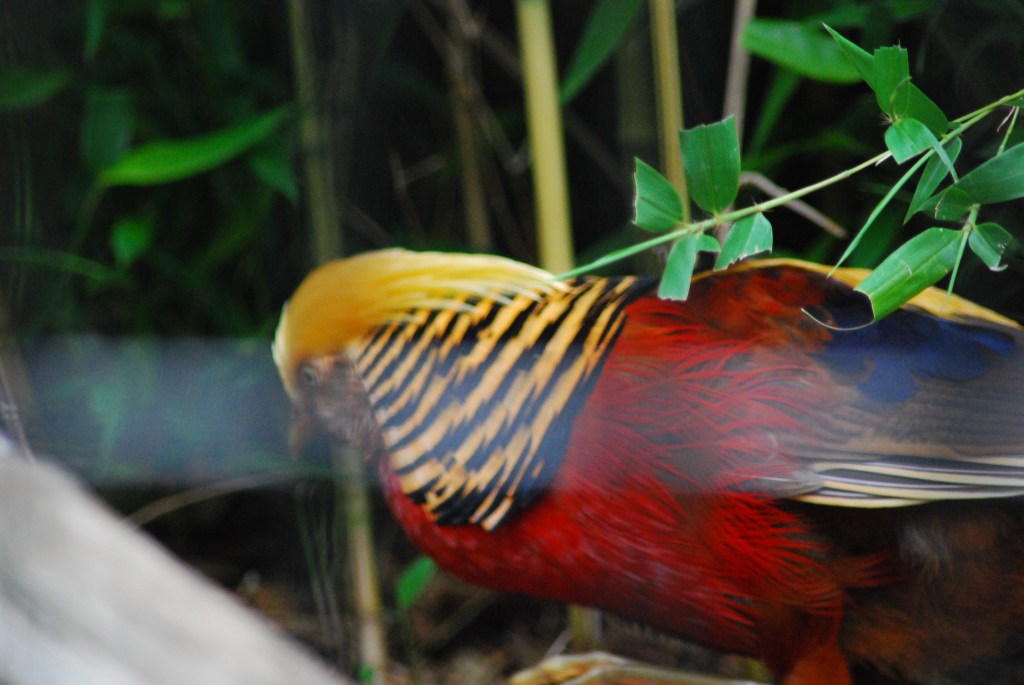
    Let’s talk about the photograph of the bird above. It is horrible. It reminds me of nothing. No adventure, no family memory. It was a trip to the zoo. I’ve kept this photograph for 15 years. Why? For fear of deleting history? For fear of missing out?

    Over the course of a week, I discovered and deleted nearly 4,000 files. Many were duplicates, some were just bad poorly executed photographs, some were attempts to learn or perfect techniques, and others were just photographs that were never going to be used for anything.

    I am starting a new plan. I need to ask myself before I take a photograph, what is the purpose, and what am I trying to say or convey to my viewers even if it is just myself. Photograph with purpose not just push the button because I can. Join me, don’t fear missing out. Let’s show the world what we enjoy, and convey the message we want to convey, express ourselves with purpose.

  • Sometimes art just happens

    Sometimes art just happens

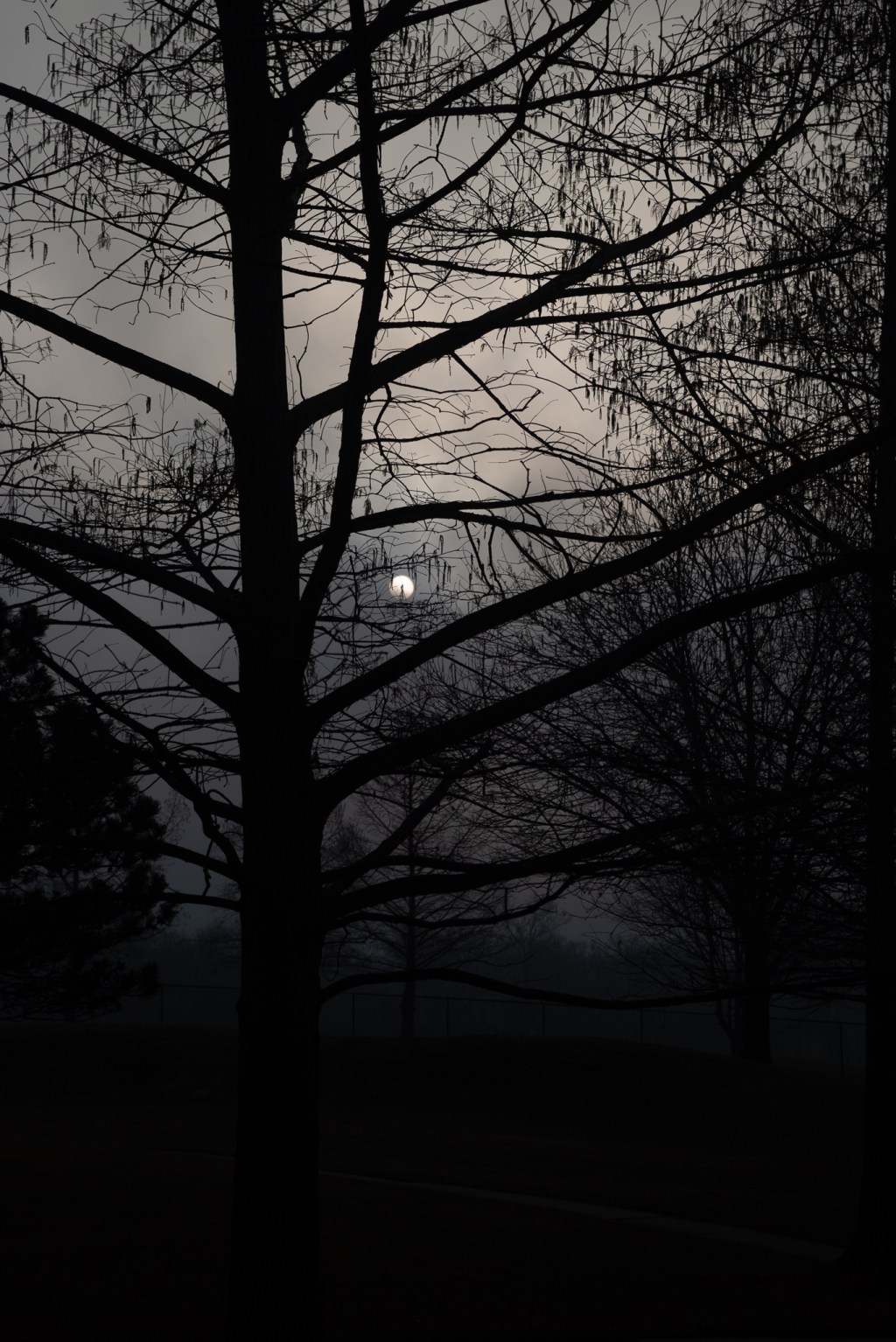
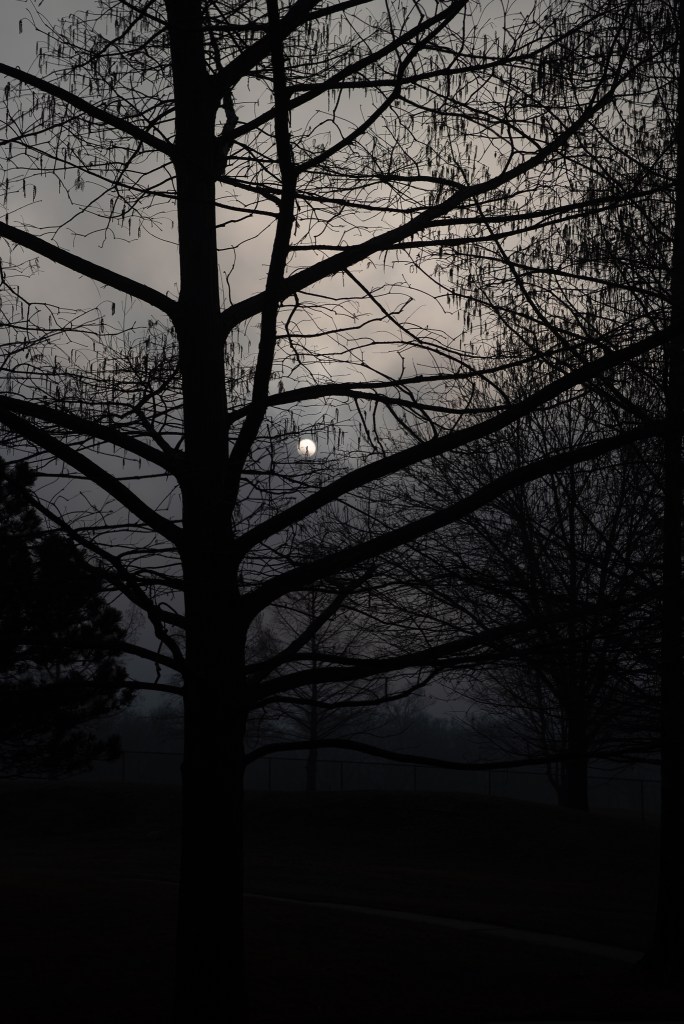
    This morning I walked out to my patio to look out on the world and see what was happening in an attempt to inspire me on what to write about. This was the scene before me. Heavy overcast skies with fog and the sun peering through the clouds and the trees. I immediately grabbed a camera to take this photograph knowing it would be one of the few that would require absolutely zero post-processing work. For me, it was a nearly perfect silhouette of the trees with hazy details in the distance due to the fog. This shot was taken at 8:30 AM and was completely different within a few minutes.

    Sometimes, nature provides a near-perfect moment to create art. This was, for me, one of those moments. I hope to be able to capture many more of these moments in the coming years since I can now dedicate my time to art and creating.