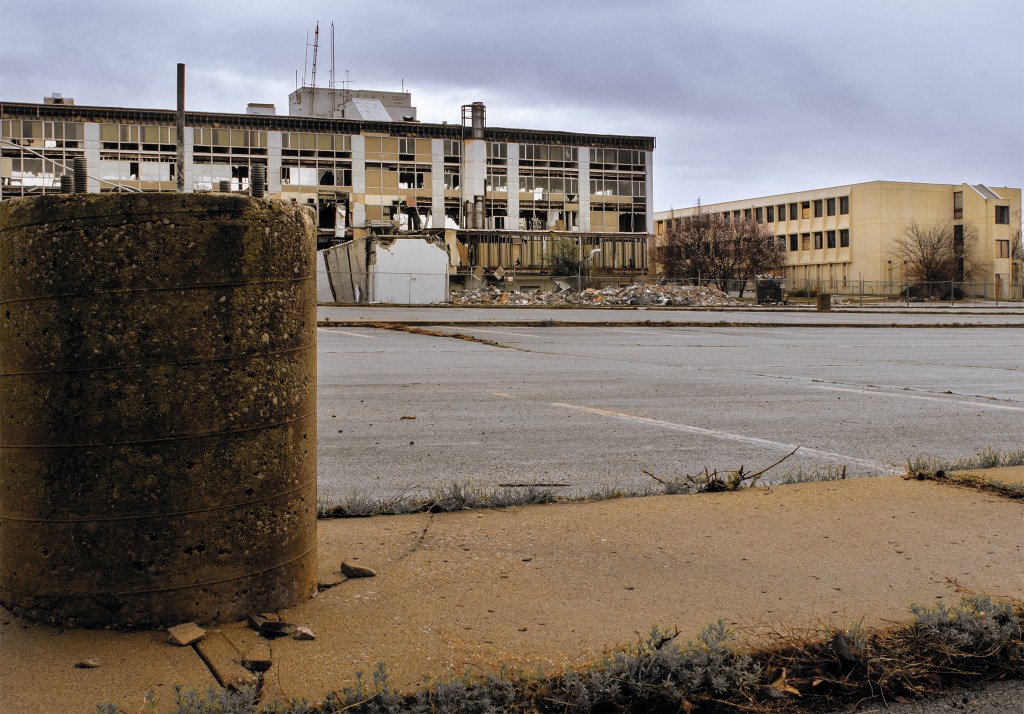
In a world saturated with visual noise, some photographs whisper instead of shouting. Empty rooms, fogged windows, and abandoned objects—these subjects speak quietly, inviting us to pause and linger. Silence in photography is not merely the absence of sound; it’s an artistic force that draws viewers into a contemplative space, allowing emotion and meaning to unfold slowly.
Silence in photography manifests in many forms. It can be the stillness of an empty room, the haze of a fogged window, or the quiet presence of an object left behind. These images don’t demand attention; they invite it. The viewer is encouraged to slow down, to notice subtle details—a shaft of light, the texture of peeling paint, the way shadows stretch across a floor.
Photographers like Robert Adams and Hiroshi Sugimoto have mastered this language of quiet. Their work often features vast, open spaces or minimalist compositions that evoke tranquility and contemplation. In these images, silence is not emptiness but fullness—a space where imagination and memory come alive.
In our fast-paced culture, silence is a rare commodity. Social media rewards images that are bold and immediate, but silent photographs resist this tempo. They slow the scroll, inviting viewers to linger and reflect. This pause is powerful: it deepens emotional attachment and allows for personal interpretation.
Silence also amplifies the emotional resonance of a photograph. By leaving room for the unknown, photographers encourage viewers to fill in the gaps with their own stories and memories. An abandoned chair in fading light might evoke nostalgia, loneliness, or peace, depending on who is looking.
 Photographer Clay
Leave a comment