This year has been a challenging one for me creatively, yet I have recognized that the obstacles I faced were merely perceptions. Instead of allowing these issues to stifle my inspiration, I have decided to see them as stepping stones to greater creativity.
One of the powerful tactics I employ to reignite my creativity and inspiration is collaborating with a group of talented individuals who are equally committed to enhancing their artistic skills and growing as artists. Additionally, I have embraced the practice of identifying myself as an artist rather than just a photographer. While there is great merit in being a photographer, I find that the term “artist” empowers my mind, allowing me to unleash my creativity and express my emotions and imagination, all while maintaining a connection to reality, whatever that may entail.
Believing in ourselves as artists is, without a doubt, the most empowering step we can take. Instead of waiting for others to recognize our artistic identity, we must assert it within our own minds first. Embracing our creativity and self-identity is what truly defines us as artists.
I urge all of you aspiring to elevate beyond mere photography to embrace your identity as a photographic artist by believing in yourselves above all else.
I asked ChatGPT; Is art really subjective or are there certain conditions that should be met for a work to be classified as art, This is the response I got.
The question of whether art is subjective or if there are certain conditions that should be met for a work to be classified as art is a long-standing debate in the philosophy of aesthetics
. Many people instinctively lean towards subjectivity, viewing art as an individual’s unique response to a piece. However, this perspective also raises questions: if art is purely subjective, how can we have discussions about whether certain works are “good” or “bad”? Why are some pieces displayed in museums and celebrated for centuries, while others are disregarded?
The case for subjectivity
Personal Interpretation: Viewers bring their own experiences, emotions, and cultural backgrounds to their appreciation of art, leading to diverse interpretations.
Emotional Response: Art’s power often lies in its ability to evoke emotional responses, and these emotions are inherently personal.
Shifting Tastes: What one generation deems artistic may be seen differently by another, highlighting the dynamic nature of cultural trends and individual preferences.
Arguments for objective criteria
Skill and Technique: Creating art often involves technical proficiency, whether it’s mastering painting techniques, composing music, or crafting compelling narratives. These skills can be objectively evaluated.
Composition and Principles of Design: Art often adheres to established principles like balance, proportion, and rhythm, which can be analyzed and judged independently of individual taste. The Massachusetts College of Art and Design (MassArt) identifies seven elements of art and seven principles of art.
Artistic Context and Intent: Understanding the artist’s intentions, the historical context, and the artistic traditions surrounding a piece can provide a more informed basis for appreciation and analysis.
Enduring Value: The fact that certain works are consistently recognized and valued across cultures and generations suggests some degree of inherent merit beyond fleeting trends.
Artworld Institutions: Galleries, museums, critics, and art historians play a role in shaping and defining what counts as art through their selections, exhibitions, and discourse.
Hybrid perspectives
Many thinkers now advocate for a more nuanced approach, recognizing both subjective and objective aspects of art. Art, at its core, involves a human creation intended to evoke a worthwhile experience, be it through emotional power, beauty, or the conveyance of complex meanings. While individual enjoyment is deeply personal, objective analysis of elements like technical skill, composition, and historical context can inform and enrich our appreciation, according to the website thewritingpost.com.
This is, to me, the real meat and potatoes, so to speak.
In conclusion, art is not solely subjective, nor is it entirely bound by rigid objective criteria. It exists in a dynamic interplay between the creator, the creation, and the audience, where personal interpretation meets with a framework of established artistic principles and traditions.
If a work fails to ignite a vibrant interplay between the creator and the audience, it falls woefully short of its potential. Like many others, I have fervently battled with the art of creation, grappling with the complexities of expressing my vision, despite the countless hours I have devoted to studying art and photography. It wasn’t until the past 6 months or so that I came to realize this. Often, we fall in love with a creation of ours not because it is good but rather because we have a personal connection to it. The problem, I see, is whether the audience has a connection. This is often the failure. As artists, we must become aware of our emotions and then learn to communicate those emotions to our audience.
In the past month or so I have completed rethought my photographic workflow. What I discovered was that I was taking too many shortcuts and working too fast missing my vision for creating photographic art. In other words, I got lazy.
In 2010 I began using Adobe Photoshop having switched over from Corel PaintShop Pro because I felt like the Corel product was holding me back. Two years later, I added Adobe Lightroom which served my purposes well, up until the past couple of years at which time I started to become complacent and lazy, as I recently discovered after having taken some Photoshop courses through f.64 Elite , which I would highly recommend if you are a photographer using Photoshop and want to create works of art.
In my previous workflow only about 10% of my work ever went to Photoshop. Now, 100% goes into Photoshop, not because the photographs “need it” but because that is what I believe to be the best tool to achieve my vision.
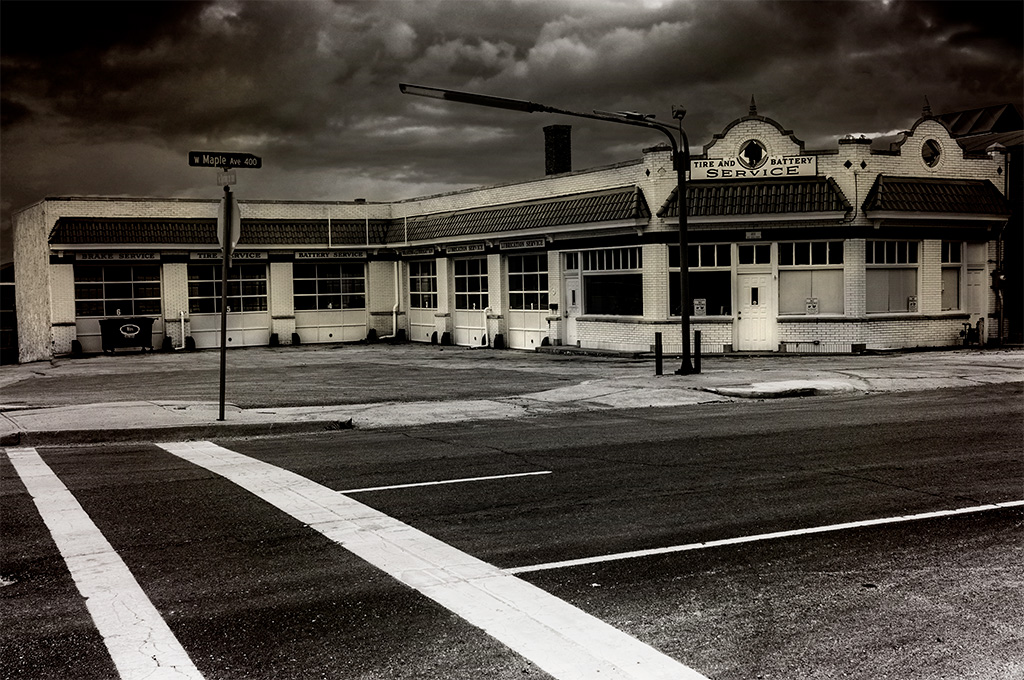
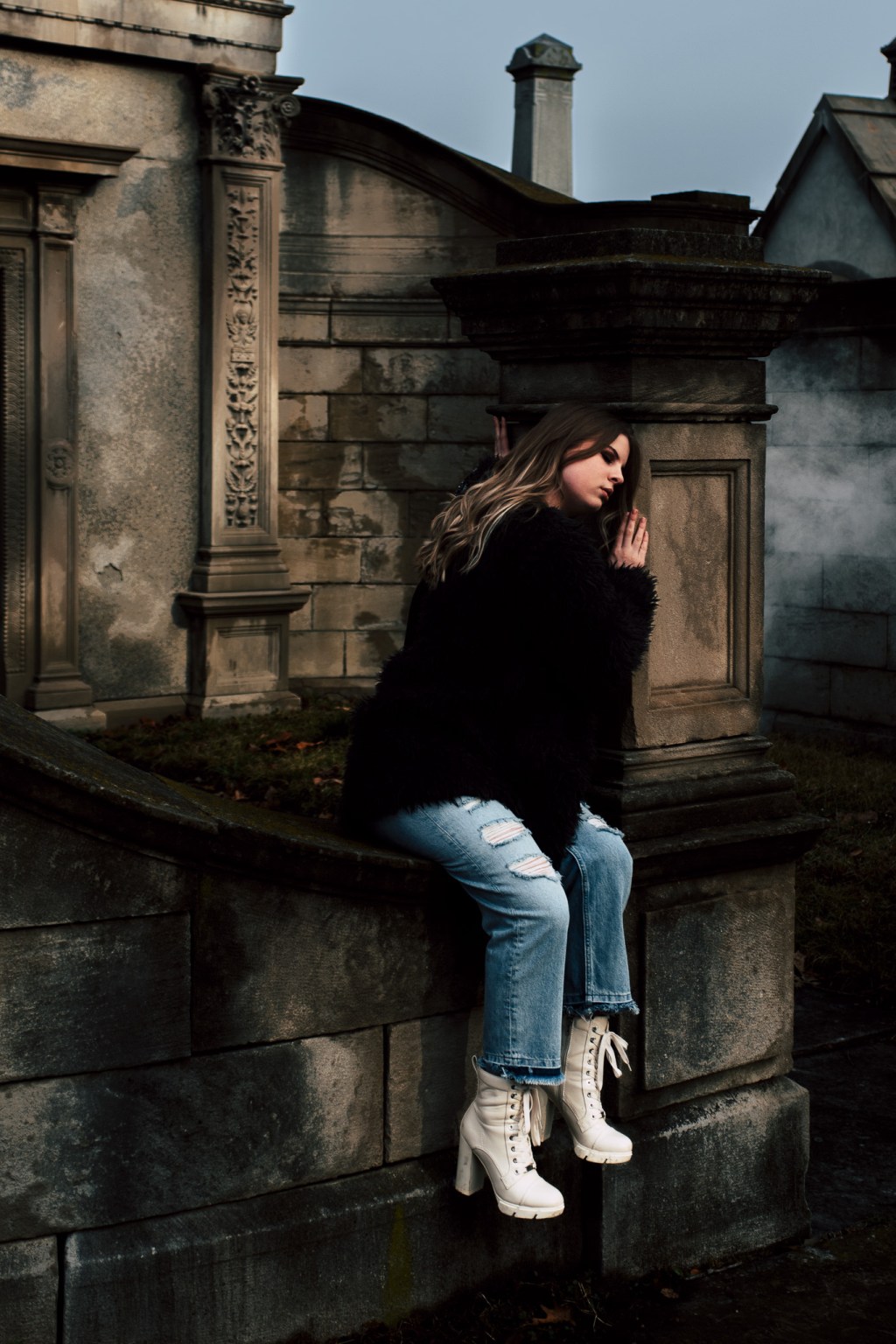
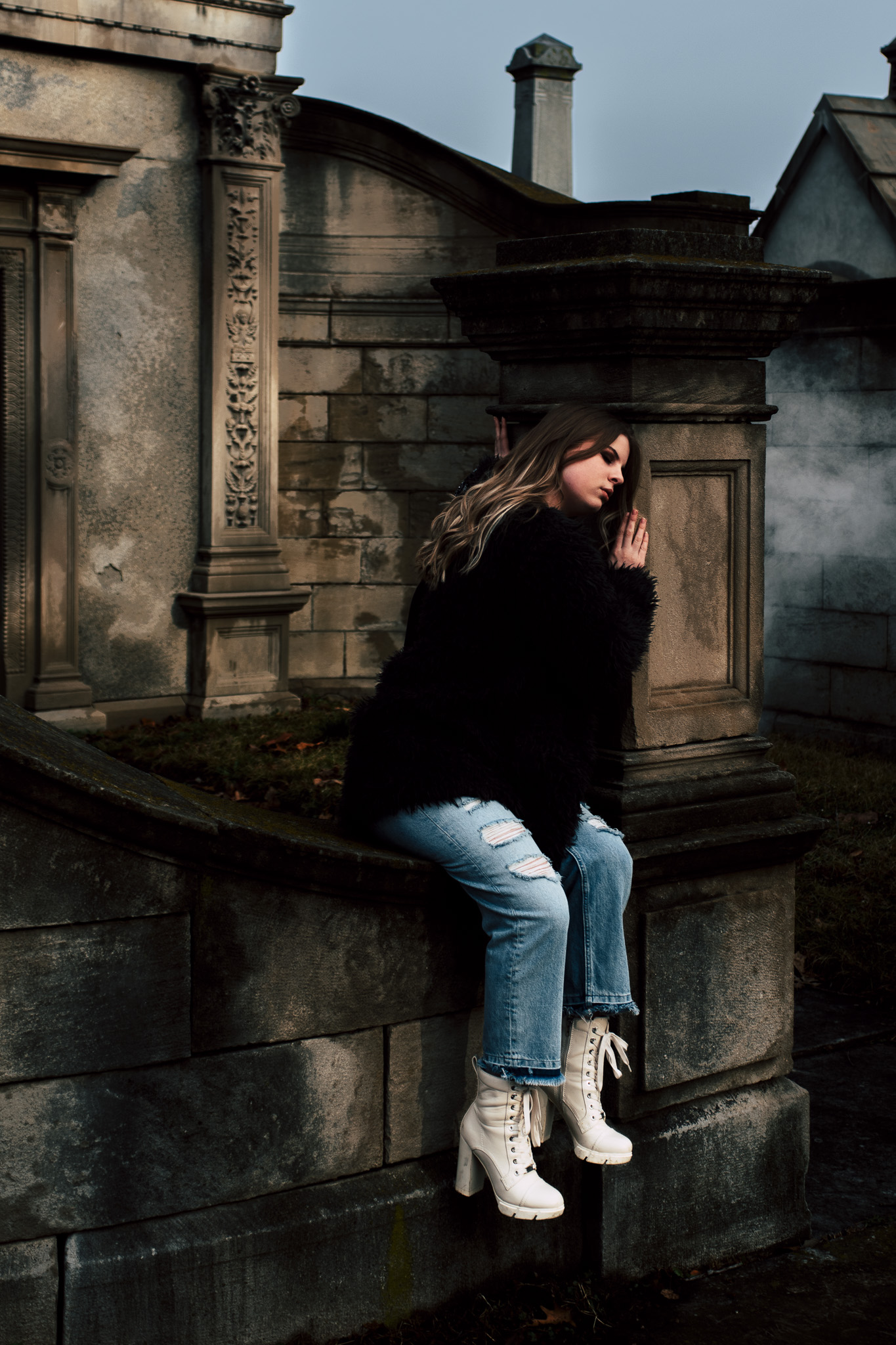
Photographic art isn’t about merely technical capturing of a subject or scene but it is about creating an experience for the viewer. In the featured image, my goal was to give the viewer a sense of a brewing storm rising over a symbol of the past which I believe is what is happening with the current social climate, not just here in the United States but world-wide.
Let’s create art today, we need it more than ever.
I am on an exhilarating journey, evolving from a mere photographer to a true artist. This path is often fraught with challenges, peppered with both fervent supporters and discerning critics. Every transformation brings with it its share of growing pains and struggles, but it is also a celebration of achievements and powerful growth. Embracing the identity of a photographic artist transcends the mere act of reconstructing reality—each of us experiences our own unique truths. Instead, it’s about conjuring a captivating mood, stirring emotion, and evoking profound feelings in the subject, all while forging a connection with the viewer. If we fail to spark that connection, the photograph or the piece of photographic art becomes a poignant reminder of a missed opportunity.
During this exhilarating transformation process, I have wholeheartedly reimagined my workflow, discarding tools that once served me and embracing others that I had seldom, if ever, utilized. This reconfiguration of my workflow stands as the most impactful yet tantalizingly elusive step forward. My vision shimmers vividly in my mind, but the true challenge lies in harnessing the right tools and skills to breathe life into that vision and make it a reality.
A profound lesson I’ve gleaned from this transformative journey is the exhilarating sense of growth and achievement. Engaging with fellow creatives who harbor a fiery passion for art—beyond just capturing a photograph—fuels my soul. The sheer joy of self-expression, combined with the relentless pursuit to craft something uniquely different, allows me to connect with my viewers on a deeper level, inviting them to experience the world through my eyes and feel the essence of each scene I portray.
I had a recent interaction with a long-time photography friend. After I reorganized my photographs, I found a photograph of my friend with a group that we had met up with (organized) on a photo walk. It was a fun afternoon of learning and exchanging ideas. We all met through social media and online forums.
In the past few years, however, it has become clear that social media has changed and not necessarily for the better. I often refer to myself as a photographic artist, because create and share an emotion for a scene rather than just work to re-create reality (whatever that means since we all have a different version of reality). Nowadays, I am often fearful of sharing certain works as it often brings out the “haters”. These people are often hiding behind the keyboard, rarely, if ever, showing any of their own work. It often, appears to me, to be more about competition than cooperation and inspiration. I’m one that likes to help and hopefully by helping others I learn new things or better techniques. Now it has become a race for likes rather than meaningful dialog and discussion.
Hopefully, things will change soon. One of the reasons I write my blog now is because I want to encourage people to be creative and to support creativity in others.
I’ve used Photoshop since February 2010 and have done photography since the early 1980s. One would think that with all that experience and knowledge I would know “it all”. How far from the truth that really is.
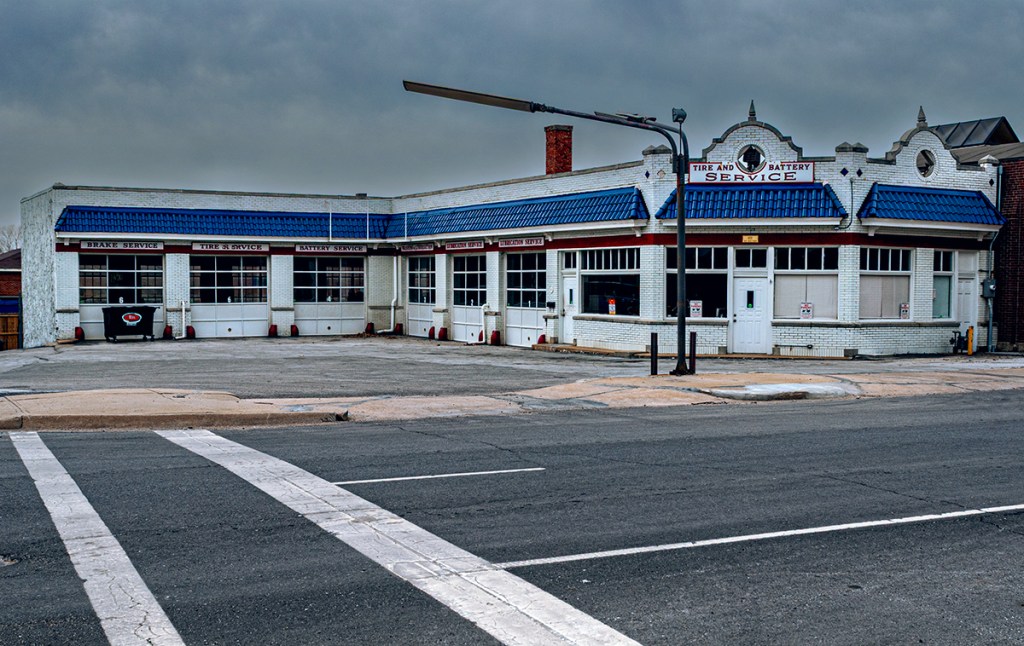
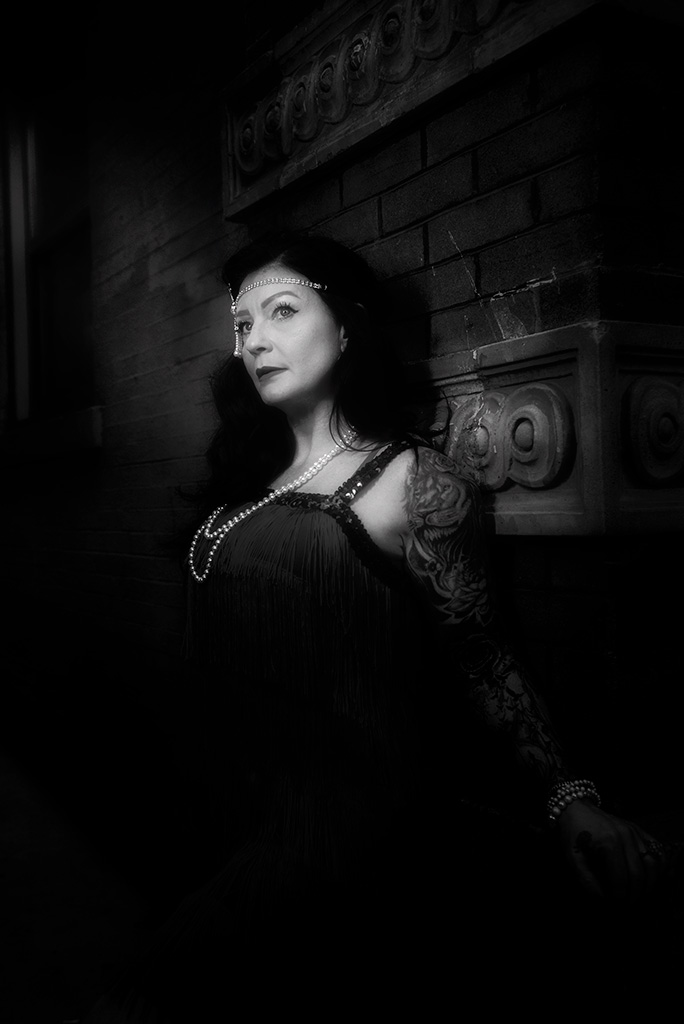
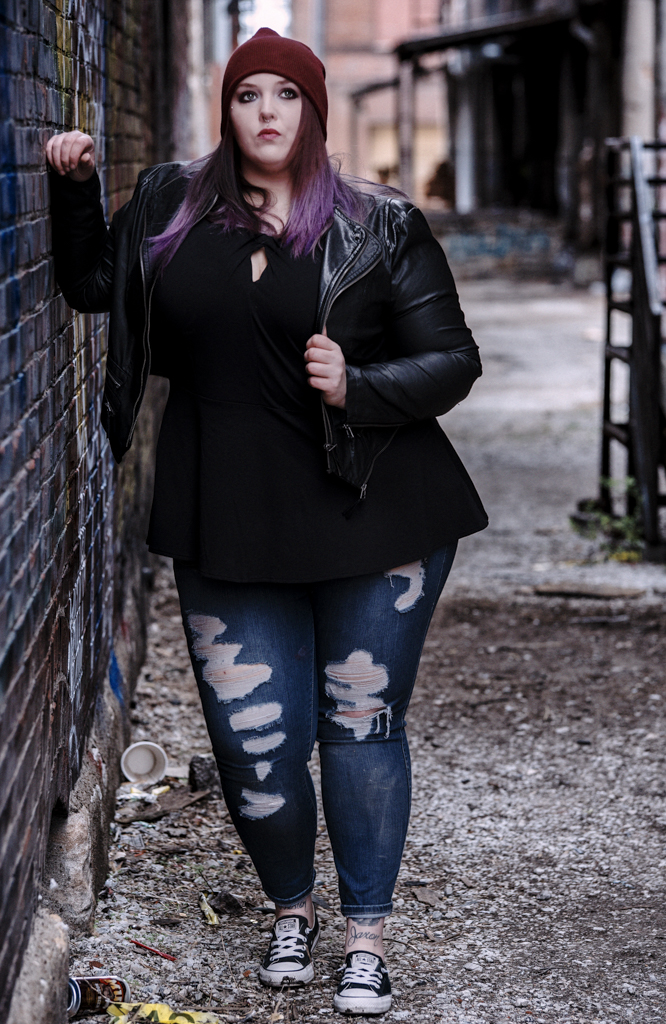
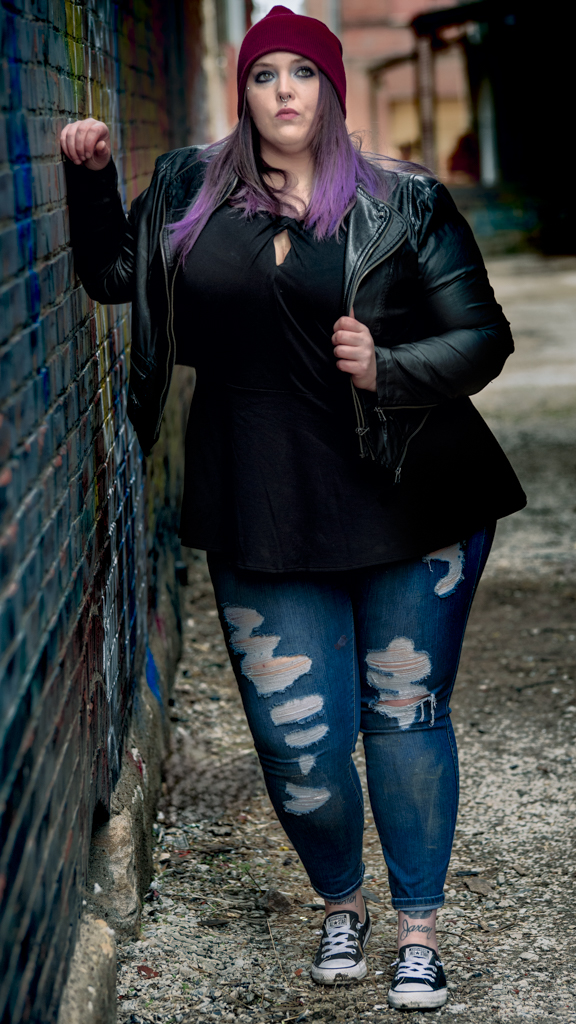
The image above is the original edit from 2018 when the photograph was taken. Below is the 2025 version.
The session was in mid-April, and it was a bit cool, with a gentle breeze cutting through the air, adding a layer of crispness to the atmosphere. It was shot in an industrial area filled with vibrant graffiti and winding alleyways that seemed to tell tales of their own. While I wasn’t taking meticulous notes of the precise emotions, feelings, and overall mood at the time, I vividly recall my desire to capture and convey a sense of cool, moody environment that was both captivating and slightly haunting. Fast forward seven years later, and through countless photography and Photoshop courses, along with a wealth of practice and inspiration from various artists, I think I may have actually learned how to convey what I had envisioned all those years ago, blending technique and artistry to bring that initial vision to life in a way I had only dreamed of at that time.
My challenge to all artists, regardless of how long they have been creating their art or how much they believe they have learned, is to keep learning, growing, and challenging yourself to constantly expand your knowledge and skill set. Embrace the process of exploration, as each new experience provides an opportunity to refine your techniques and discover new perspectives. Engage with fellow creatives, share insights, and seek constructive feedback, for collaboration can often ignite inspiration and fuel innovation. Whether you are diving into a new medium, experimenting with different styles, or studying the works of masters, remember that the journey of artistic development is endless. By nurturing your curiosity and pushing your boundaries, you not only enhance your craft but also enrich your personal expression, ultimately leading to a more fulfilling artistic journey.
Sometimes, I find myself engulfed in a deep, reflective sadness when I consider the journeys of photographers, rather than just the images they create. My heart goes out especially to those who engage these individuals, as their stories often run deeper than the photographs reveal. This article aims not to criticize photographers but to gently remind them of the profound connections and emotions behind their art, and the experience of others.
Two days ago, another photographer and I ventured out for some landscape photography, while my companion was busy working on a cinematography school project. As we immersed ourselves in the beauty of our city’s iconic area, we encountered a few fellow photographers. We had settled in a spot often regarded as the “money shot” for this location, and it brought us joy to share this incredible space with the first photographer we met. Just then, I noticed a group that seemed to be a wedding party, adding a touch of magic to the scene.
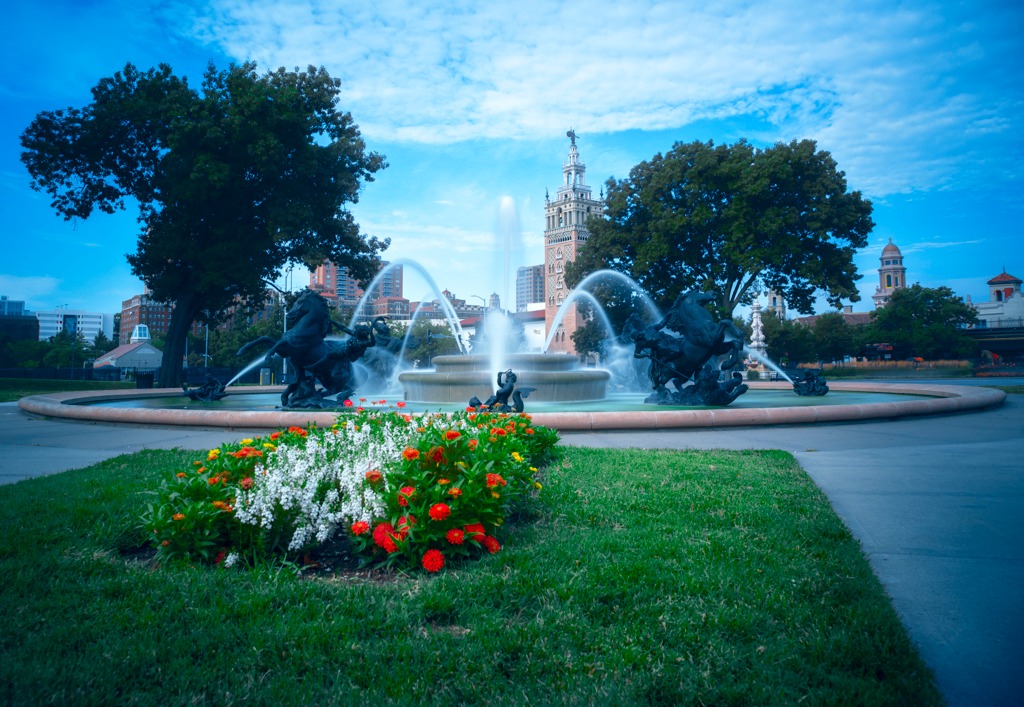
The second group was quite large, consisting of a dozen or more people. The photographer arrived with just a camera, which was surprising given the circumstances. It was a bright, early summer morning, and the sun was quite intense. Unfortunately, the wedding photographer positioned the group with the glaring sun in their eyes, aiming for a view of the fountain behind them. However, that backdrop included a lot of traffic, signs, and signals that would distract from the special moment. As we were wrapping up at our prime location, we kindly offered it to them. It seemed the photographer may not have fully appreciated our gesture, as we didn’t suggest avoiding the bright sunlight that caused squinting and harsh shadows; we simply made our spot available, hoping it would enhance their session.
My companion and I share a deep passion for both landscape and portrait photography, and we’ve learned through experience that it’s easy to make similar mistakes. This is why I often feel a sense of sadness for both the photographer and the group in situations like these. I kindly ask that you don’t take offense when others offer gentle guidance, as they genuinely intend to help and support your session without trying to take control.
A bold statement from an old photographer that has decided to continue to learn and grow in order to become more creative and artistic. I suspect many will disagree with this statement but I’m not sure that it is something I’m going to worry about, but I encourage all to think about.
One of the reasons I bring this up is because I haven’t written in a couple of weeks. I’ve been busy between a short trip, some out of town guests, working with an upgraded tool in Photoshop and taking a Photoshop course.
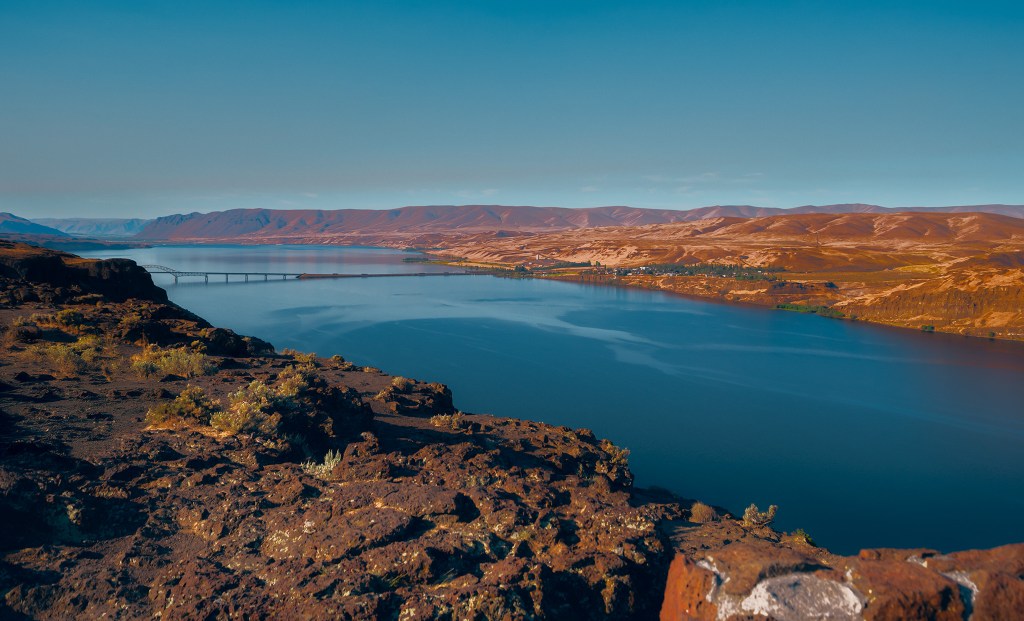
The photograph that I have included in this post was taken a year ago while I was driving back from the Pacific Northwest. I pulled off the highway at a scenic overlook of the Columbia River. In this part of Washington State there had been some wildfires resulting in smoke in the air. This scene also had some faint clouds in the air. According to the in-camera light meter the exposure was within the acceptable range, however, when I viewed the photograph, the smoke was barely visible, and the clouds were practically invisible. When I incorporated the training and through the use of a upgraded tool those elements were as visible as they were to my eyes.
What is unfortunate is that there are those who believe that some of the techniques I utilized render my photograph-altered artwork is not worthy of being called a photograph. Typically, this isn’t an issue that overly concerns me. What concerns is the lack of understanding and the lack of motivation by others to learn and grow. The lack of motivation to understand and learn concerns me because I believe it stagnates the progression of art and photography. Please, don’t stop learning, experimenting, pushing the boundaries of your art and photography.
In previous posts I’ve discussed how we often lack planning when we go out on a photographic adventure (Flying by the seat of your pants). How much planning and thought is too much? That, my friends, is a question to ponder.
I’ve been guilty of overthinking a photo outing or shoot and ended up with subpar results. It is often very easy to overthink the creation of art as well as to under plan. The balance between spontaneity and preparation can be delicate, and striking that balance is crucial to achieving great photographs.
On one hand, overthinking can stifle creativity. When we become too focused on the technical aspects or potential outcomes, we risk losing touch with the emotional and spontaneous elements that make photography an art form. For example, in some of my earlier outings, I meticulously planned every shot, analyzing the lighting, angles, and even potential subjects. While this may seem beneficial, it often led to stiff and lifeless images that lacked the spirit I was aiming to capture.
On the flip side, under-planning can lead to missed opportunities. Without some level of preparation, we may find ourselves unprepared to connect with our subjects or to capture the right moment when it arises. It is essential to have a general idea of the location, what gear to bring, and the kind of shots we want to achieve.
In essence, a successful photographic adventure requires a balance of planning and a willingness to embrace the unforeseen. Perhaps the key is to set a foundational plan while staying open to the spontaneous moments that can transform an ordinary outing into something extraordinary. It’s in this blend of thoughtfulness and freedom where we might find our most authentic and compelling work.
If you are like me, we have done this more times than we can count. You have a plan to grab your camera and head out on a walkabout to grab some photos, or a planned event that you want to document, but beyond that, you have little to no concept of what or how you want to accomplish your images. It often starts with a sense of excitement, the thrill of possibility that hangs in the air, yet as you step outside, you may find yourself overwhelmed by the myriad of choices before you. The vibrant colors of nature or the hustle and bustle of a city can be both inspiring and intimidating, leading to a moment of indecision. You might think about the stories you want to tell through your lens, the emotions you want to capture, and the unique perspectives you can showcase, yet the pressure to produce something truly remarkable can feel paralyzing. Embracing the spontaneity of the moment, however, can be where the magic happens; sometimes the best shots come when you least expect them, turning an ordinary walk into an extraordinary adventure of creativity.
How then can we ensure that we get what we want or envision? While I’m not necessarily a gearhead, we must take into account what gear we need to accomplish our goal. The right tools can make a significant difference in the quality of our outcomes, whether it’s photography, writing, or any other creative endeavor. We also need to be able to employ our skills or be willing to be open-minded and work outside our so-called box. Being adaptable allows us to explore new techniques, learn from our experiences, and ultimately grow in our craft. I don’t know how many times I’ve done it myself, let alone how many times I’ve seen others do it, but so many times I’ve never changed my position when taking photos. You know, from a standing position, which can limit our perspective; often we need to get low or higher, to try different angles and viewpoints that can completely transform the narrative of our work. It’s essential to embrace these varied perspectives, as they can lead us to discover compositions we never thought possible. We need to become more creative, constantly pushing the boundaries of our imagination and allowing ourselves to experiment with the unfamiliar. By doing so, not only do we enhance our skills, but we also create more engaging and dynamic results that resonate on a deeper level with our audience.


 Photographer Clay