Tag: learn

  • Sometimes we think too much about creating art

    Sometimes we think too much about creating art

    In previous posts I’ve discussed how we often lack planning when we go out on a photographic adventure (Flying by the seat of your pants). How much planning and thought is too much? That, my friends, is a question to ponder.

    I’ve been guilty of overthinking a photo outing or shoot and ended up with subpar results. It is often very easy to overthink the creation of art as well as to under plan. The balance between spontaneity and preparation can be delicate, and striking that balance is crucial to achieving great photographs.

    On one hand, overthinking can stifle creativity. When we become too focused on the technical aspects or potential outcomes, we risk losing touch with the emotional and spontaneous elements that make photography an art form. For example, in some of my earlier outings, I meticulously planned every shot, analyzing the lighting, angles, and even potential subjects. While this may seem beneficial, it often led to stiff and lifeless images that lacked the spirit I was aiming to capture.

    On the flip side, under-planning can lead to missed opportunities. Without some level of preparation, we may find ourselves unprepared to connect with our subjects or to capture the right moment when it arises. It is essential to have a general idea of the location, what gear to bring, and the kind of shots we want to achieve.

    In essence, a successful photographic adventure requires a balance of planning and a willingness to embrace the unforeseen. Perhaps the key is to set a foundational plan while staying open to the spontaneous moments that can transform an ordinary outing into something extraordinary. It’s in this blend of thoughtfulness and freedom where we might find our most authentic and compelling work.

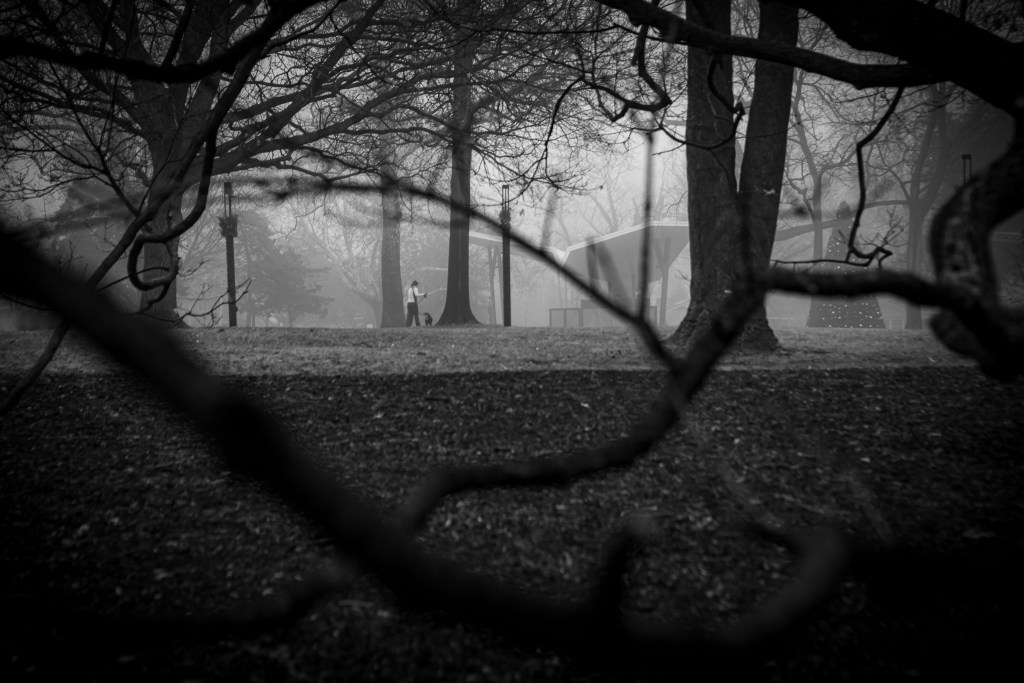
  • Flying by the seat of your pants!

    Flying by the seat of your pants!

    If you are like me, we have done this more times than we can count. You have a plan to grab your camera and head out on a walkabout to grab some photos, or a planned event that you want to document, but beyond that, you have little to no concept of what or how you want to accomplish your images. It often starts with a sense of excitement, the thrill of possibility that hangs in the air, yet as you step outside, you may find yourself overwhelmed by the myriad of choices before you. The vibrant colors of nature or the hustle and bustle of a city can be both inspiring and intimidating, leading to a moment of indecision. You might think about the stories you want to tell through your lens, the emotions you want to capture, and the unique perspectives you can showcase, yet the pressure to produce something truly remarkable can feel paralyzing. Embracing the spontaneity of the moment, however, can be where the magic happens; sometimes the best shots come when you least expect them, turning an ordinary walk into an extraordinary adventure of creativity.

    How then can we ensure that we get what we want or envision? While I’m not necessarily a gearhead, we must take into account what gear we need to accomplish our goal. The right tools can make a significant difference in the quality of our outcomes, whether it’s photography, writing, or any other creative endeavor. We also need to be able to employ our skills or be willing to be open-minded and work outside our so-called box. Being adaptable allows us to explore new techniques, learn from our experiences, and ultimately grow in our craft. I don’t know how many times I’ve done it myself, let alone how many times I’ve seen others do it, but so many times I’ve never changed my position when taking photos. You know, from a standing position, which can limit our perspective; often we need to get low or higher, to try different angles and viewpoints that can completely transform the narrative of our work. It’s essential to embrace these varied perspectives, as they can lead us to discover compositions we never thought possible. We need to become more creative, constantly pushing the boundaries of our imagination and allowing ourselves to experiment with the unfamiliar. By doing so, not only do we enhance our skills, but we also create more engaging and dynamic results that resonate on a deeper level with our audience.

    Let us get creative.

  • It isn’t always about you.

    It isn’t always about you.

    I have pondered this post for a couple of weeks now. In fact, I started to write it and gave it a title, then I stopped because it was going to be too much of a rant on new or beginning photographers and selling their services to customers. I ran through several wording styles in my head and then finally deleted the entire post this morning.

    The reason I wanted to start over was that I have been reading a book, Inner Excellence by Jim Murphy, and yesterday I came upon two quotes that resonated with me. The first was, “if all you see is chickens and chicken scratch, it doesn’t matter if you are an eagle; flying won’t be part of your world.” The second was, “expect nothing, prepare for anything.”

    These were very powerful messages for me, igniting a self-reflective journey. Instead of concerning myself with what others were doing or how they were marketing their photography services, I needed to focus on mastering my own mind. By doing so, I would subsequently empower myself to master my unique vision and skills in producing the art I truly want to create. My obsession with the perceived failures of others was clouding my judgment and inhibiting my own self-mastery.

    Rather than rant about this publicly, I realized there’s tremendous value in working to demonstrate the message I was attempting to relay to others. The true path to inspire and be of service to others lies in action rather than mere words or criticisms. By focusing on my inner growth and honing my skills, I could transform the frustrations I feel into motivation and clarity. In doing so, I pave the way to uplift others in their journeys, reminding them that personal excellence often stems from a place of introspection and self-awareness.

    This renewed perspective has encouraged me to cultivate a mindset where I expect nothing but prepare for anything. Embracing this principle allows me to navigate challenges without getting bogged down by the comparative metrics that often stifle creativity and joy in the craft. Each photographer’s journey is unique, and by staying true to my own path, I can create visuals that reflect my personal story, thus leaving space for authentic connections with others who appreciate my work. Through this reflection, I turn the quest for excellence into both a personal and collective endeavor, fostering a community where creativity thrives.

  • The Internet – What a strange and often fascinating place.

    The Internet – What a strange and often fascinating place.

    I am entertained on nearly a daily basis at some of the comments I see made throughout the internet. So many times, I see comments that profess to be facts but are merely an opinion. I will give you that an opinion can be a nearly a fact but only after some designation that the opinion is given by an expert in the particular field for which they are expressing an opinion.

    Recently I expressed some thoughts on a question in a photography forum where a member asked a question about laptops versus desktop computers and which was “better”. Wow! What a can of worms that opened up. Most of the replies were merely opinions, nothing wrong with that, a few attempted to make their opinion a fact, with clearly biased information. I could tell where the anti-laptop person was going from the very first line of their “opinion”, “Laptops are crap for editing”. Well, that may have been the case a few years ago, but times have changed.

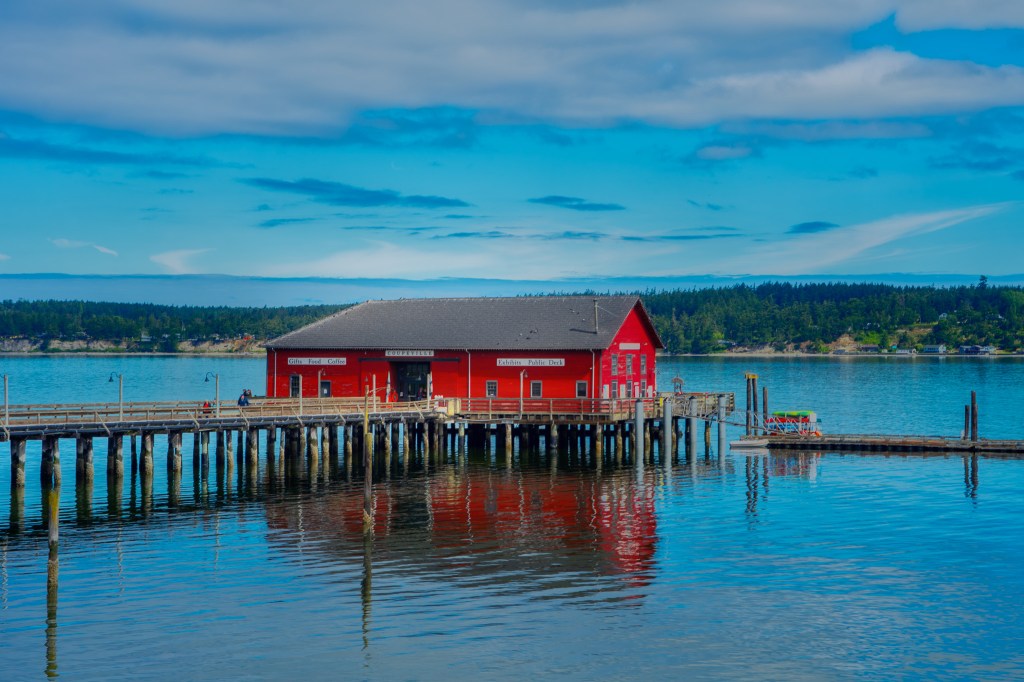
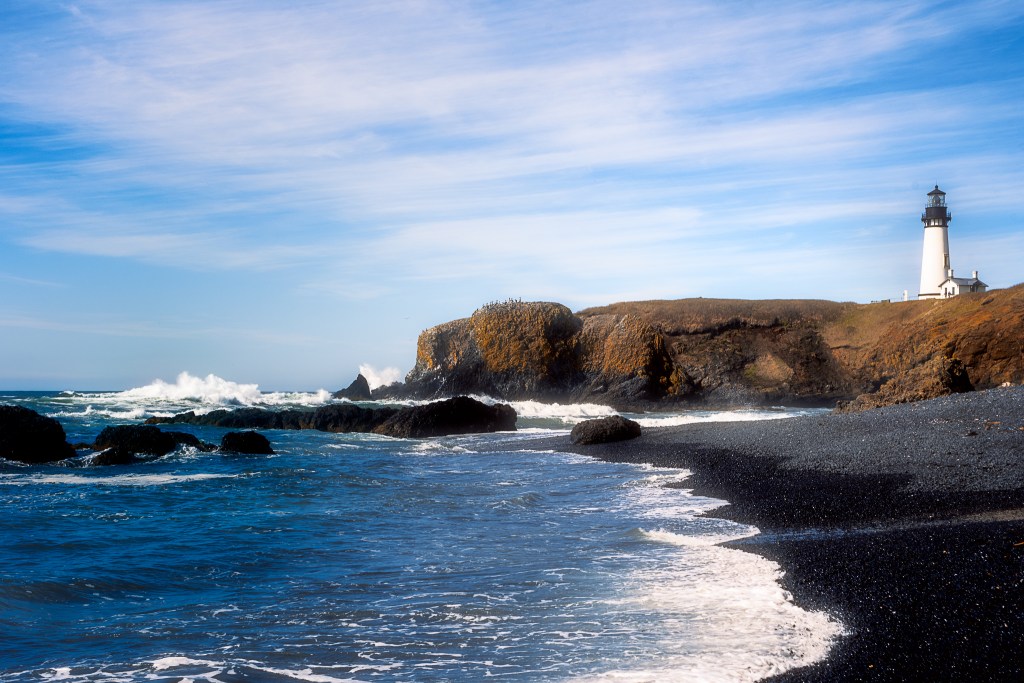
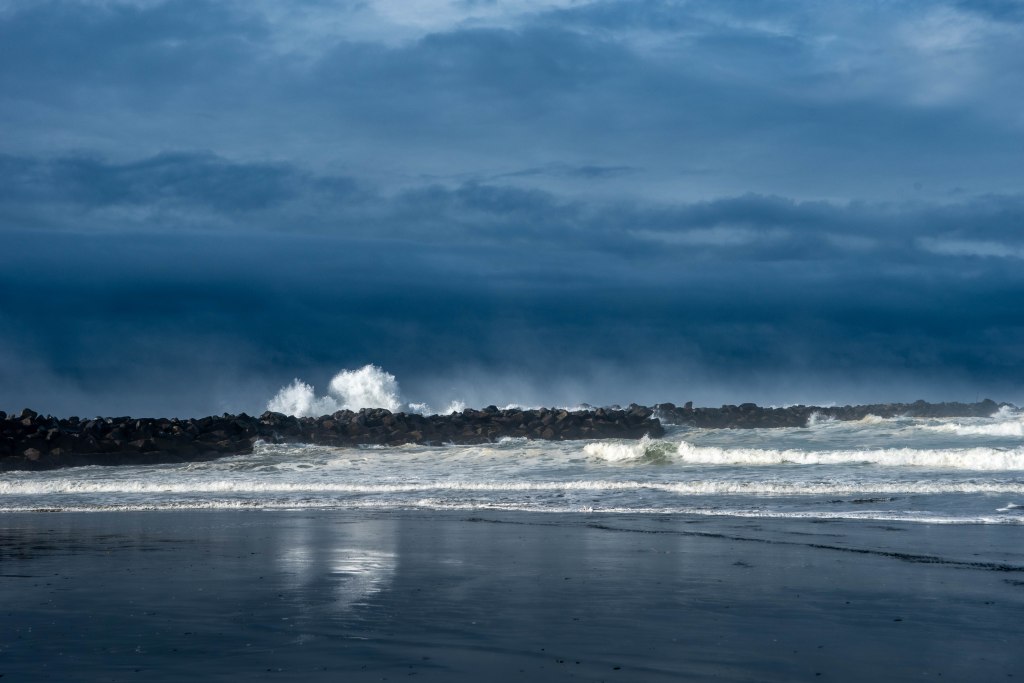
    I use both a laptop and a desktop. The quality of my output is the same on both computers. I’ve used Mac based systems and Windows based systems. Looking at the image above can you tell if it were edited on a laptop or desktop?

    The problem, as I see it, is that so many times new photographers or artists can easily be confused by these “so-called” experts. I should add that the person who stated that laptops were crap in a photography forum had no examples of their photography, no links to examples, and provided no evidence or facts to support their claim.

  • Look for the small things

    Look for the small things

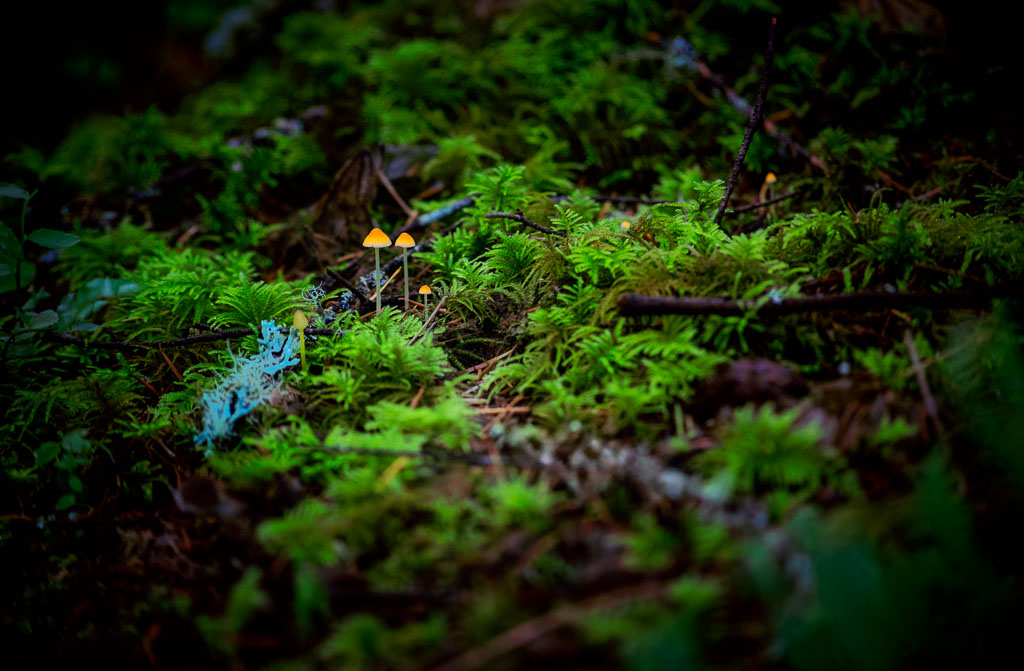
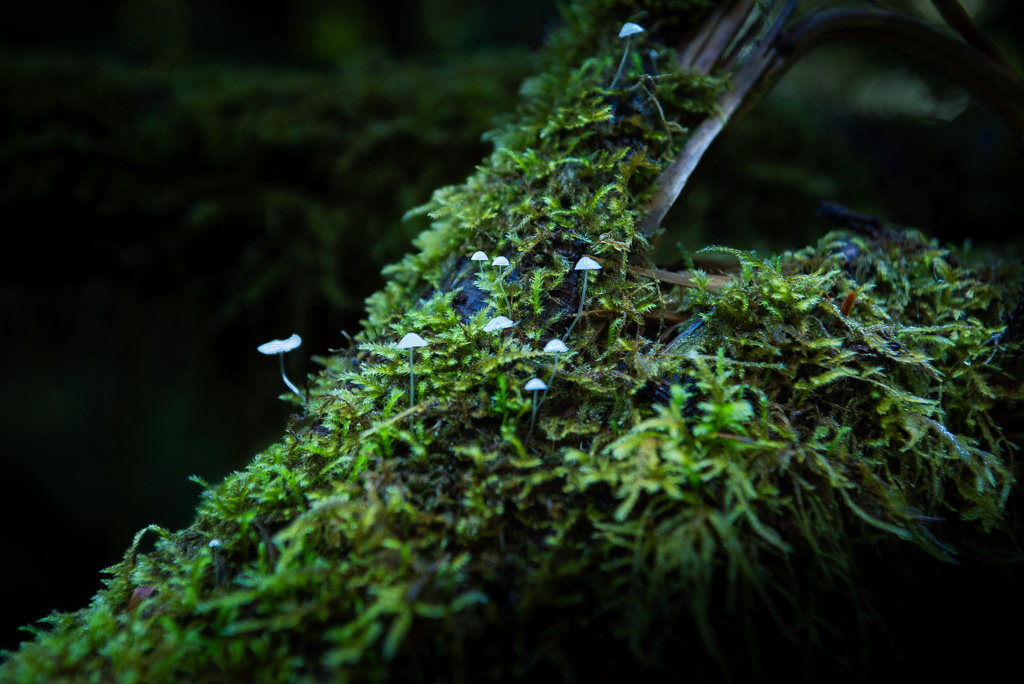
    Landscape photography is not always about the grand scene, the sunrise or sunset. It is sometimes about the small details. I am frequently amazed at others who miss seeing the small details of the forest, or landscape scene.

    While I would not say that I don’t miss some things I do try to make a conscious effort to see small details when I’m out wandering about.

    Try it the next time you venture out into the world, look for the small elements and you may be surprised at the things you never noticed before.

  • Photographic vision

    Photographic vision

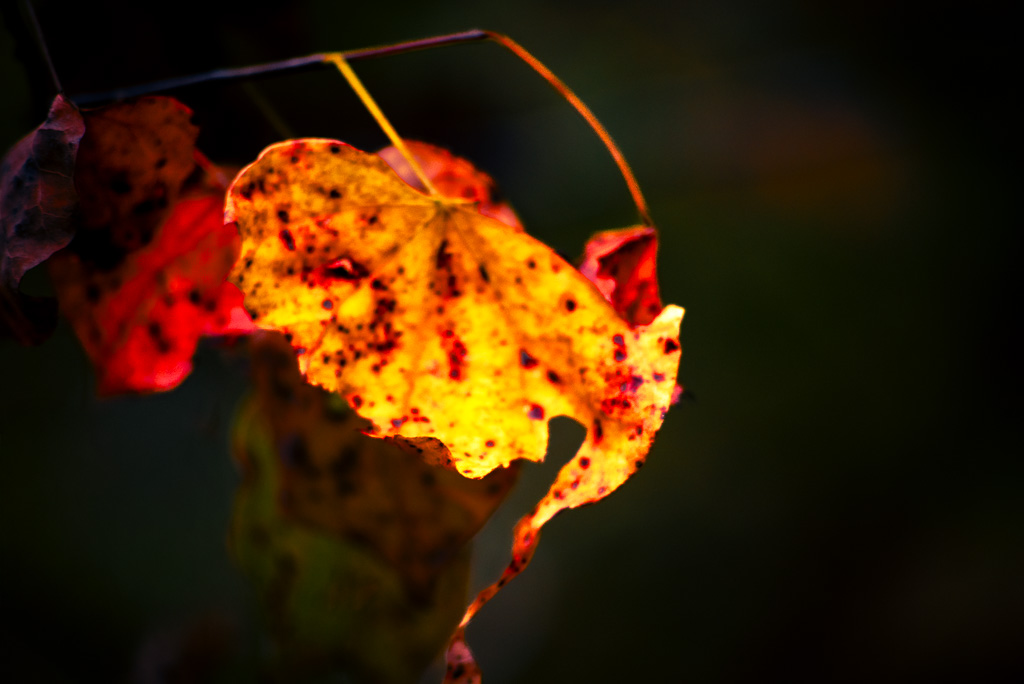
    One of the things that I have discovered about photography is that you must learn to see the world around you. On many occasions I have been hiking through the woods or along a trail and had other people ask, “getting anything good”? What most of them have missed are the wildflowers, small insects, the colorful leaf, or the way the sunlight highlights a scene. So much of it is being able to see the world with a different perspective and to pay attention to the details of our world.

    It matters not your genre of photography. What matters is the ability to see and capture the unique world around you.

  • All creativity isn’t art

    All creativity isn’t art

    One of the biggest misconceptions about creativity is the swapping and substituting of terms to encompass all art or all creativity. At its root, creativity is creating. It’s making something, anything! While you can say that all art is creative, all creativity doesn’t have to be art.

    This is something that I have often wondered about, and I have been guilty of falling into that misconception. There are times when I feel creative but definitely not creating art.

    While all creativity may not be art, being creative inspires me. It inspires me to want to become more creative and work towards creating something artistic.

    I just today realized that by ignoring my blog as I have for the past year and a half, I have become less and less creative. Writing this blog has, in the past, inspired me to create art. What reminded me of this was today was time to renew my blog site and domain name. How I was reminded was that my Venmo account didn’t have sufficient funds to renew (I keep only enough funds in my Venmo to pay for many of my online accounts as a way of lowering my chances of being hacked and scammers stealing funds). With all that being said, I hope to become more active in writing my thoughts and I certainly hope that you join me by reading and then sharing your thoughts on what I have written with the intend to keep us all creative.

  • That’s just your opinion on photography

    That’s just your opinion on photography

    Recently, I joined a social media group focusing on Photoshop and Adobe Lightroom. It is a very large group with over 100,000 members with it’s focus on “photography, Photoshop Art, Photo Composites, Digital Art, AI Art.” What I find both interesting and disheartening is the number of members that are insulting or belittling when another posts an example of their work. Often the comment goes something like, “way overprocessed making this photo look like a painting” or “This is no longer a photograph but a picture” (I’m still trying to figure out what that means). What is even more intriguing is often the members making such comments haven’t shared any examples of their work or the work they generate is a basic photograph that, in my most honest opinion, that appears to be a “saw scene took picture of same”.

    There is nothing wrong with a basic simple photograph in the world of photography as long as it is done well and at the same time, there is nothing wrong with working to be creative. What is wrong is becoming insulting, belittling, or rude because a style doesn’t fit your style. In my best “The Dude” voice I want to say, “Yeah, well, you know, that’s just, like, your opinion, man”.

  • It’s all about the art!

    It’s all about the art!

    Photography has changed for me and for the better. Photography has become more about the art rather than the technical. The technical aspects are important but with the best techniques, the camera still cannot capture what I envision. It is about the artist in the photographer to bring out something that engages the viewer, even if the viewer is just the photographer. How did this change come about? I began to listen and experiment based on one of the finest photographers I know.

    I started using Photoshop 14 years ago and actually believed I had a decent understanding of the program. Then you’re reminded of the old adage, “you don’t know what you don’t know”. The re-awaking has reminded me, don’t stop pushing yourself, don’t stop learning, don’t stop trying new things.

  • Rediscovering the Joy of Photography: A Journey Back to Passion

    Rediscovering the Joy of Photography: A Journey Back to Passion

    (c)CSwatzell 2023

    Photography is not just an art; it’s a journey that captures the essence of moments, emotions, and the world through the lens. For many, it starts as a hobby, a way to document life’s events, but over time, it can blossom into a profound passion. However, like any journey, the path of photography can have its ebbs and flows. Sometimes, the initial spark that ignited the love for photography may dim, leaving one to yearn for that lost connection.

    If you find yourself in this place, longing to reignite your passion for photography, take heart. You’re about to embark on a beautiful journey of rediscovery. Here’s how you can rekindle that fire and fall in love with photography all over again.

    Explore New Horizons
    Step out of your comfort zone and challenge yourself with new subjects or techniques. If you’ve always been drawn to landscapes, try your hand at portraits or street photography. Experiment with different lighting, angles, and compositions. The change of pace will stimulate your creativity and may lead you to discover a new favorite genre.

    Connect with Fellow Enthusiasts
    Join photography groups or online communities. Engaging with like-minded individuals can provide a fresh perspective and inspire you. Share your work, ask for feedback, and participate in challenges. The camaraderie and support of fellow photographers can be incredibly motivating.

    Set Personal Projects or Goals
    Create a project for yourself with clear objectives. Whether it’s a 365-day photo challenge or a thematic series, having a goal gives you a reason to pick up your camera every day. It also provides a sense of accomplishment as you progress, fueling your enthusiasm.

    Learn and Grow
    Invest time in learning new skills or refining existing ones. Attend workshops, watch tutorials, or read books on photography. Education is a powerful tool that can open your eyes to different aspects of photography and enhance your technical abilities.

    Take a Break
    Sometimes, stepping away from your camera can be beneficial. Take a break and allow yourself to miss the act of taking photos. Often, distance can make the heart grow fonder, and you may find yourself returning with a renewed zest.

    Reflect and Appreciate
    Look back at your old work and reflect on your journey. Appreciate how far you’ve come and the experiences you’ve captured. This reflection can remind you why you fell in love with photography in the first place.

    Rekindling your passion for photography is a personal and rewarding journey. It’s about finding what excites you, what moves you, and what makes you eager to look through the viewfinder once more. Embrace the process, and let your love for photography flourish anew. Remember, every photograph you take is a reflection of your passion, so let it shine brightly. Happy shooting!