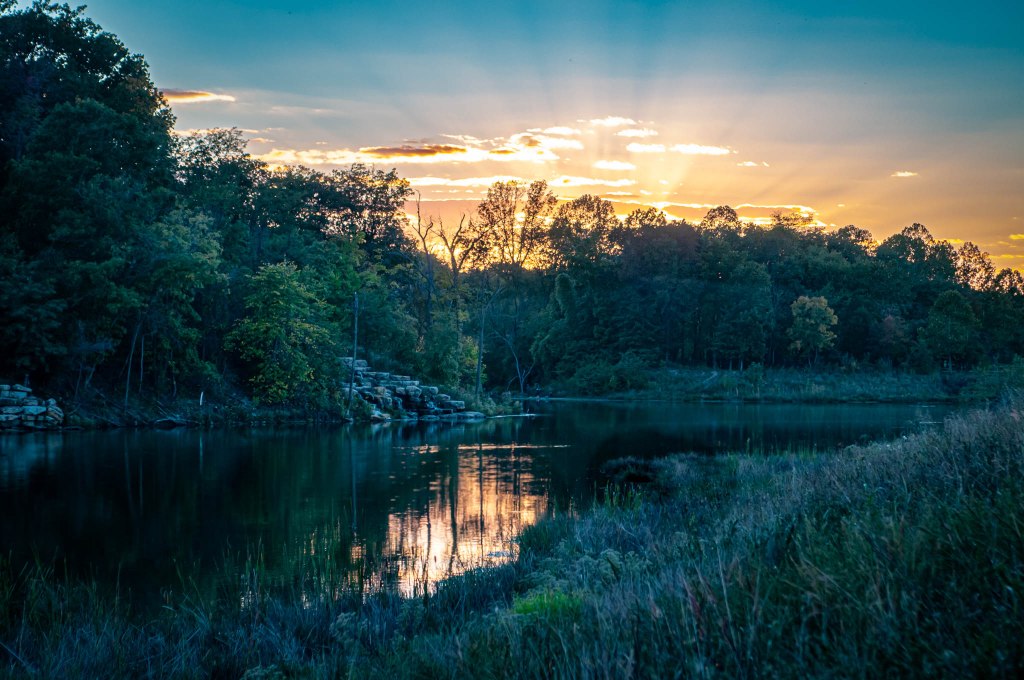
Painters mix colors; photographers sculpt with light. I’ve learned that a scene isn’t interesting until the light touches it with purpose—soft at dawn, directional in winter, violent at noon. Learning Light is the gateway to artistic photography.
For a long time, I thought subjects carried the weight of a photograph. A dramatic landscape, an expressive face, an unusual moment—surely those were enough. But over time, I began to notice that the same subject could feel flat or profound depending entirely on how light arrived. The difference wasn’t the scene. It was the illumination.
Light gives form to emotion. Soft morning light doesn’t just reveal shapes; it forgives them. It smooths edges, lowers contrast, and invites contemplation. At dawn, the world feels like it’s speaking quietly, and photographs made then tend to whisper rather than shout. Shadows stretch gently, highlights are kind, and everything feels possible but unresolved.
Winter light is more disciplined. Lower in the sky, it arrives with intention, carving hard lines and clear separations. It’s honest, sometimes unforgiving, but incredibly descriptive. Faces gain character. Buildings gain weight. In winter, light behaves like a sculptor who knows exactly what to remove to reveal the form beneath.
Then there’s midday light—the one photographers are taught to avoid. Harsh, vertical, uncompromising. But even violent light has its uses. It flattens subtlety and replaces it with confrontation. Colors clash. Shadows become graphic. When used deliberately, noon light doesn’t tell gentle stories; it tells true ones. It demands confidence and clarity in composition because there’s nowhere to hide.
Learning light isn’t about memorizing rules. It’s about recognition. Noticing how it changes across seasons, hours, and spaces. Seeing how it interacts with surfaces, how it wraps, bounces, absorbs, or disappears entirely. It’s understanding that light is never neutral—it always carries mood.
The camera records whatever light you give it. Artistic photography begins when you choose which light to work with, and when to step back and wait for it to arrive. Once you understand that, you stop chasing subjects and start collaborating with illumination.
Because in the end, photography isn’t about capturing things.
It’s about shaping light into meaning.
 Photographer Clay
Leave a comment