I have set a goal to talk and think more about creating art using my photography. I understand that many photographers spend more time discussing technique and equipment than contemplating art. It’s easier to discuss equipment and technique, while art is much less clearly defined.
As I mentioned yesterday, I often aim to infuse my photography with more artistic expression, but I frequently fall short of my intended mark. While I may grasp the message I sought to convey through a photograph, if the audience does not resonate with it, then it falls short of its intended impact. I hesitate to label it as a failure, as I believe that in art, there are no true failures but rather lessons for future works of art.
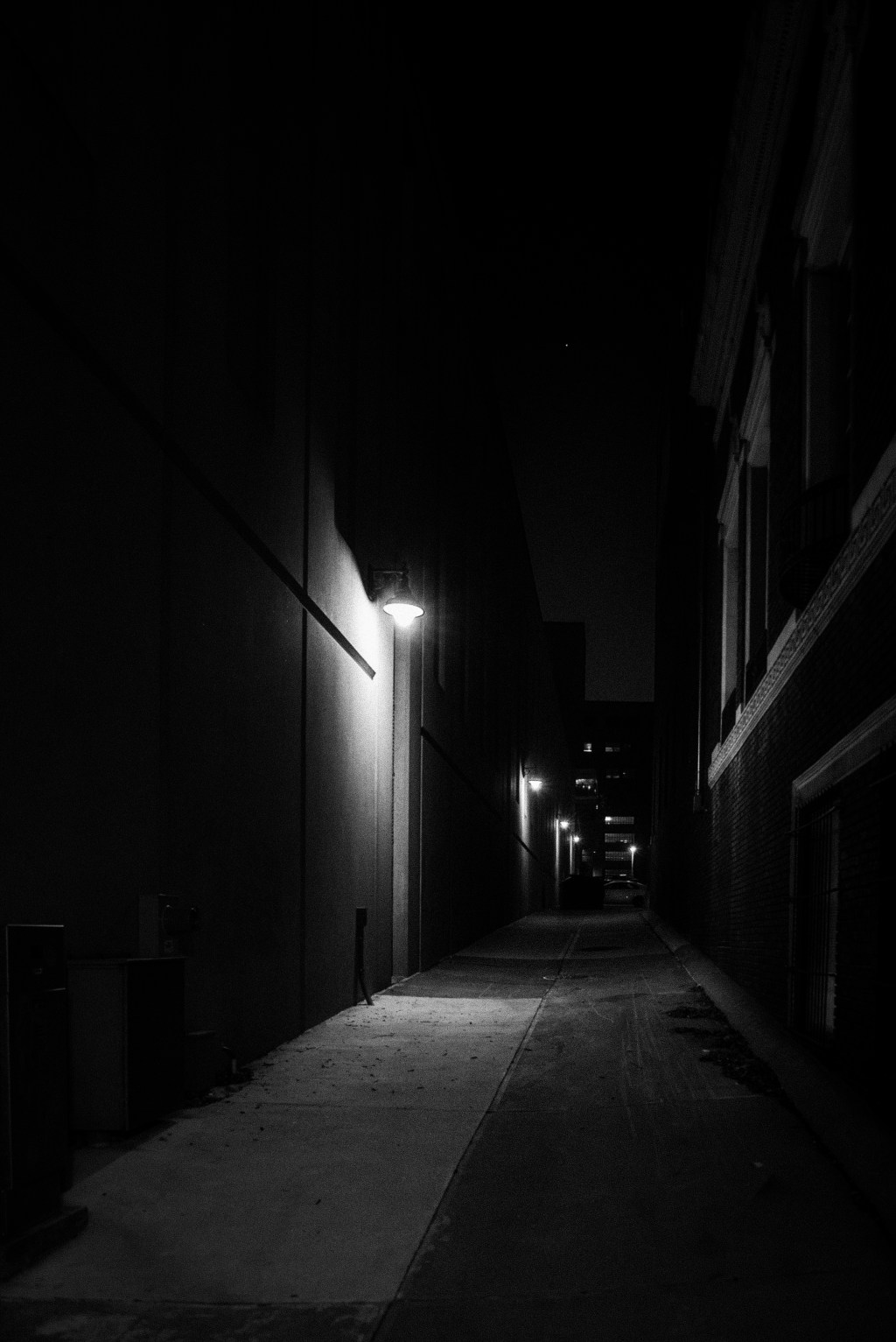
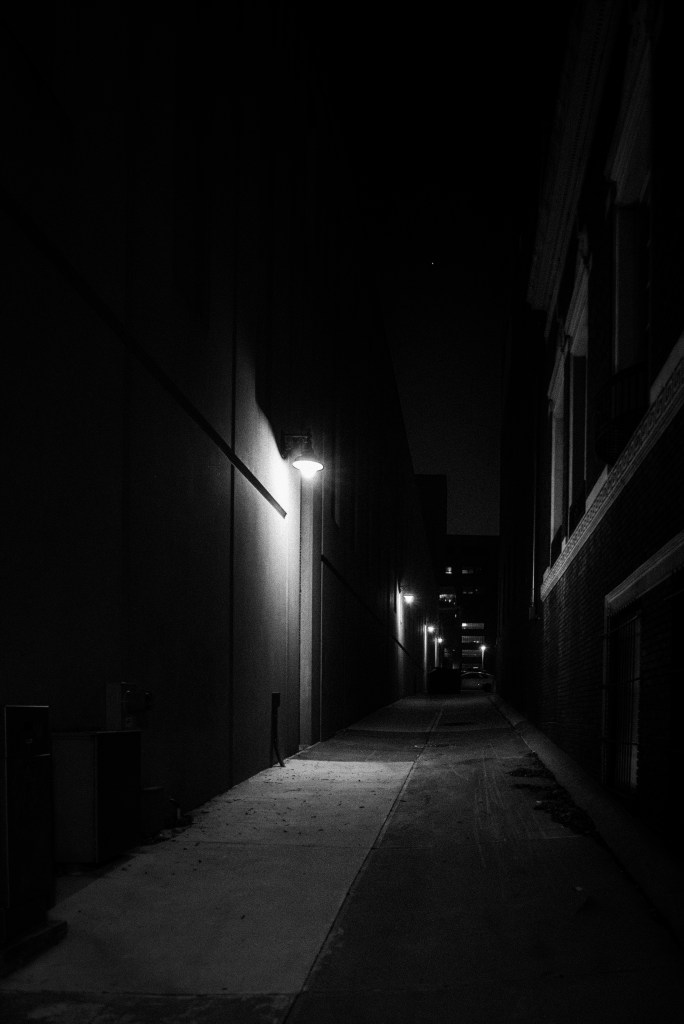
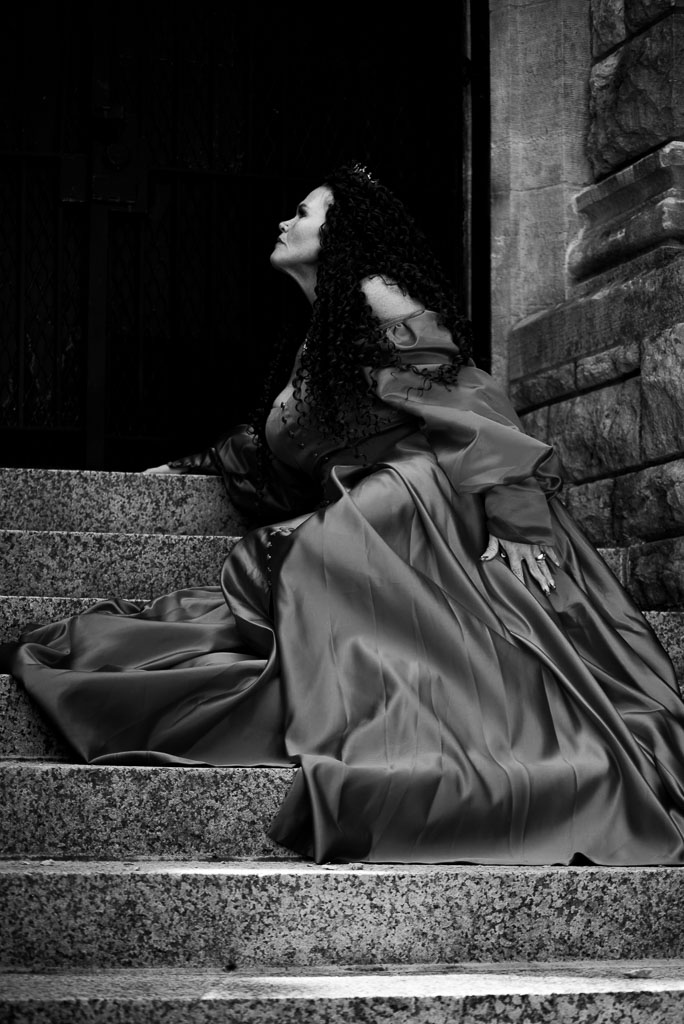
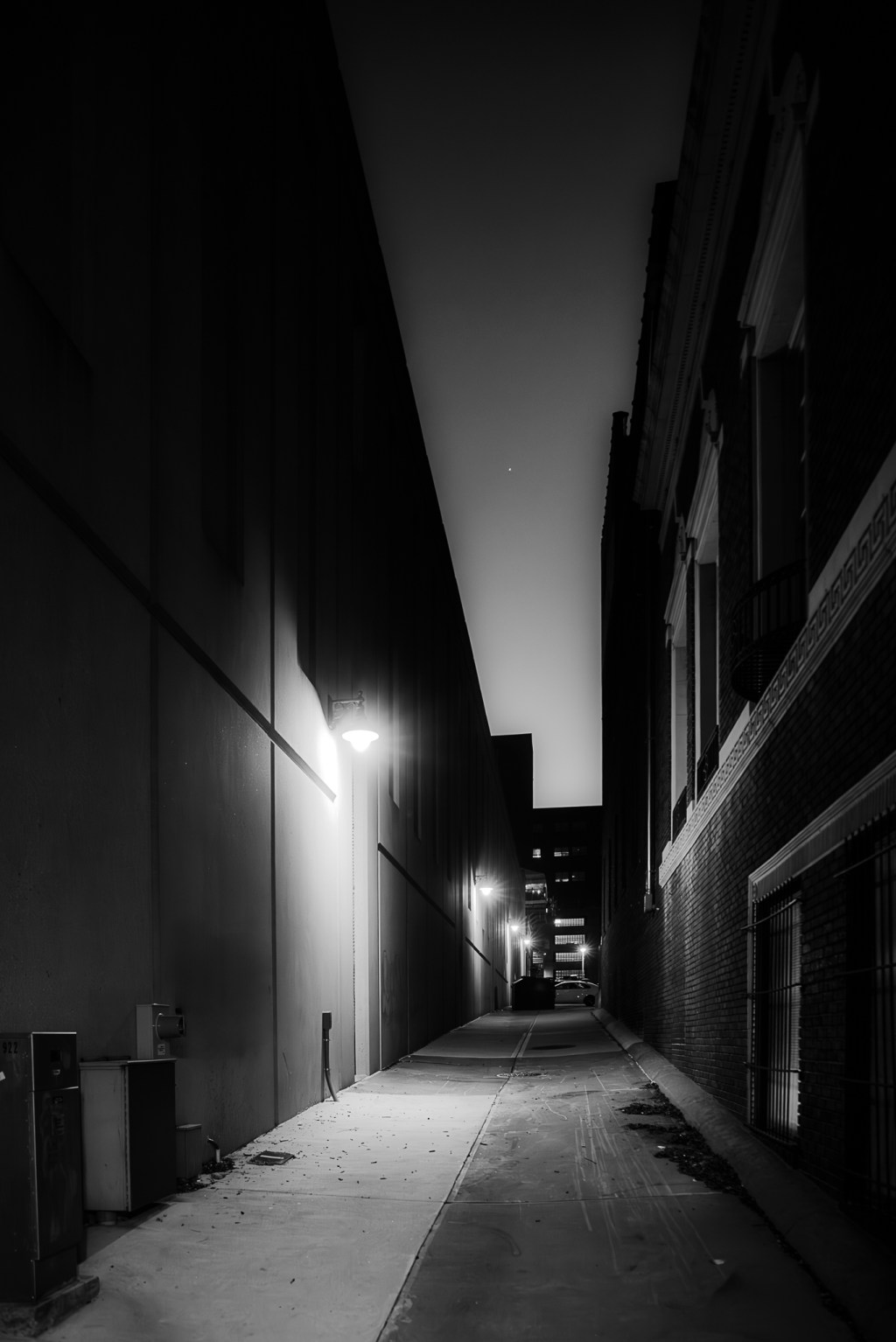
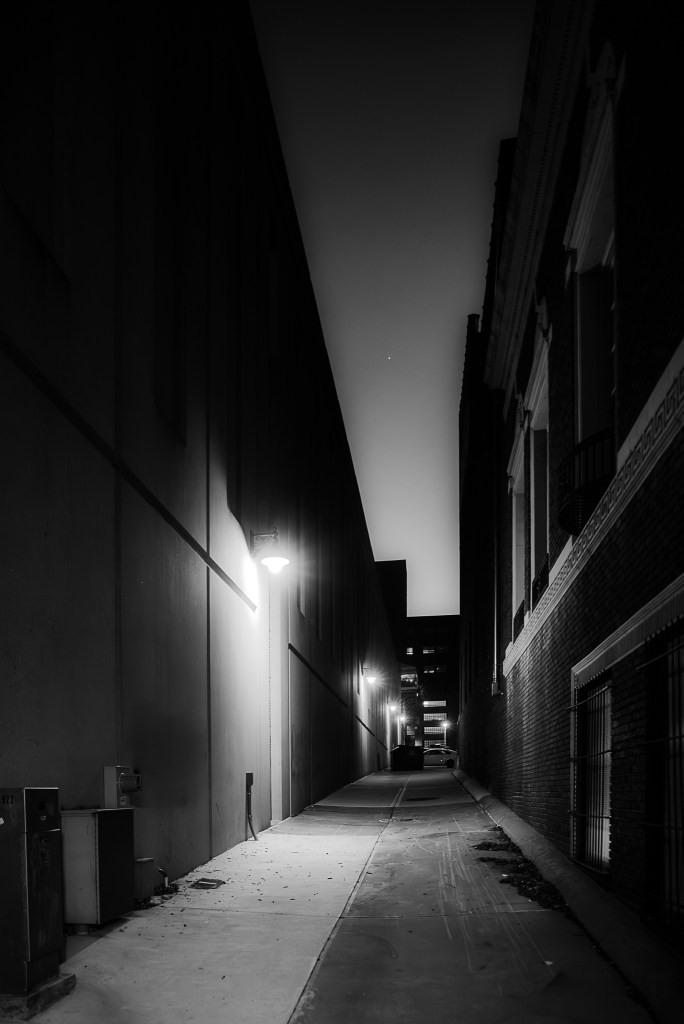
While working with a model to create film noir looks, we were walking down an alleyway when I noticed the “star” (which I believe was the planet Venus) in the sky. This made me think about the metaphorical dark alleys we sometimes have to navigate in life, with potential dangers lurking in the shadows, to reach our goals. It may not resonate with everyone, but it left a strong impression on me at the time. What do you think about this perspective?
In the early days of photography, a photograph was scoffed at by the art world and denied the status of art. It’s hard to believe, but it wasn’t until around 1940, a whole century later, that the art world finally came to acknowledge photography’s undeniable artistry and beauty. A century of resistance couldn’t diminish the profound impact that photography would have on the art world. Not every photograph deserves to be called art, regardless of popular belief. Crafting art requires more than just capturing an image with a click.
I often encounter challenges as I strive to create art with my photographs. Despite the frustrations that may arise, my love for photography drives me to persist. Embracing these obstacles is an integral part of my journey, and I am determined to overcome them with passion and dedication. I often face various challenges and obstacles that sometimes hinder my creative process. However, I strive to overcome these hurdles and continue creating regularly. In the past, there were very few weeks where I didn’t acquire new images to work on and create from.
If you, like me, are facing challenges and obstacles that hold you back, remember that you are not alone. Let’s continue to inspire each other to create more art through our photography.
Yesterday, I discussed photographers’ grievances regarding the shift to subscription-based software, particularly Adobe products like Photoshop and Lightroom, which are part of my regular toolkit. Contrary to some opinions, there have been significant improvements in both existing tools and the addition of new ones, many powered by artificial intelligence.
I understand that not everyone engages in the extensive processing that I apply to my photographs, and therefore, might not need the robust capabilities of programs like Photoshop or Lightroom. My aim is not merely to document but to craft art, with photography serving as my canvas.
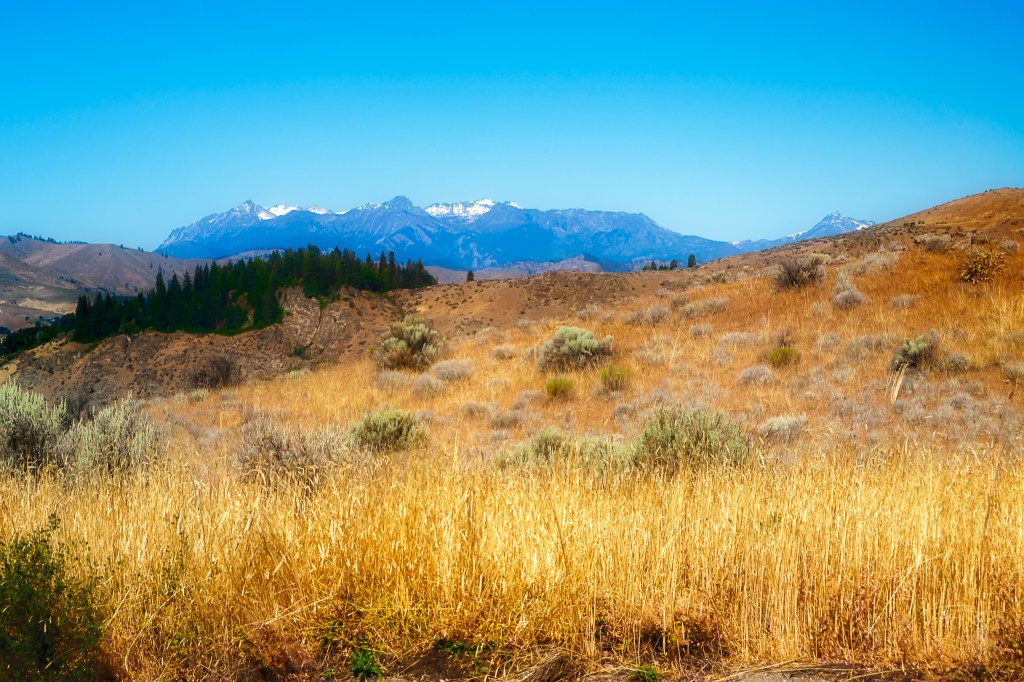
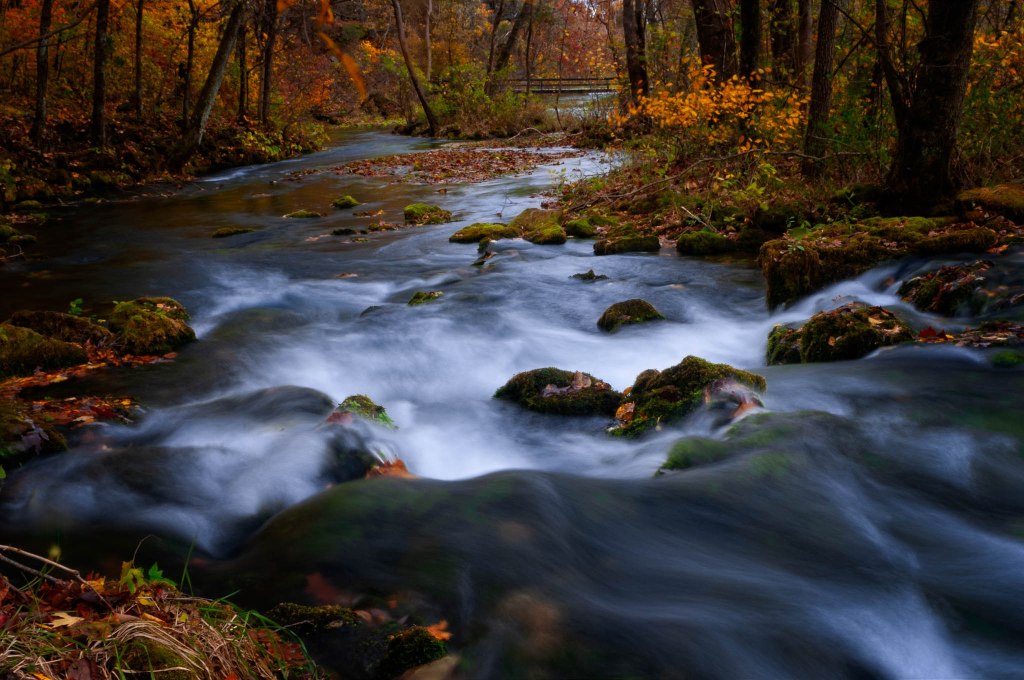
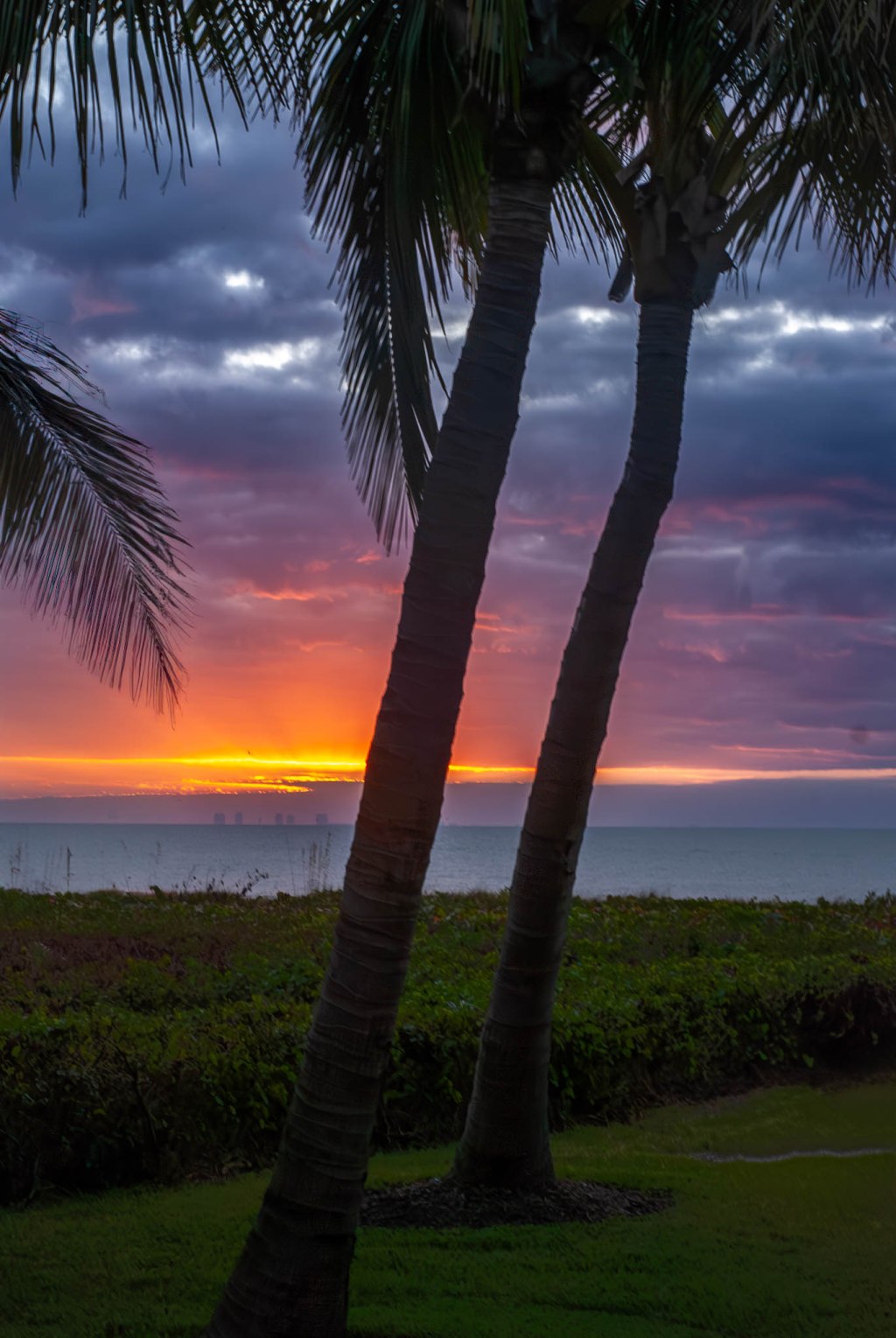
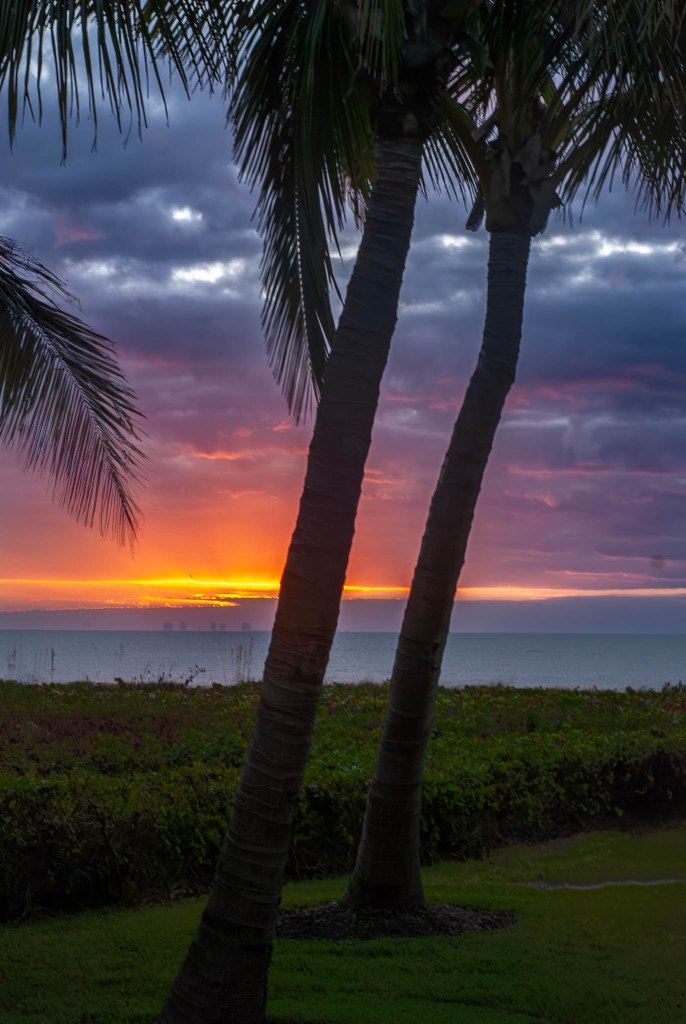
The featured photograph of the day was captured in 2006 with my initial digital SLR camera, the Nikon D50. At the time of taking the photo, my knowledge of post-processing digital images was rudimentary yet adventurous. Moreover, I was utilizing some quite basic software and did not transition to Photoshop until 2010. A key factor in my switch to Photoshop was its advanced features like layers and masking, which were considered powerful at the time and not widely available in other programs. This justified the steep initial cost of $800, equivalent to just over $1,100 in 2024 when adjusted for inflation. At the time, I enjoyed today’s featured photograph, but it just never really felt like it justified my memory of the scene as I perceived it.
With the modern tools available in the latest versions of Photoshop and Lightroom, I can make adjustments more effectively and quickly than ever before. Tasks that would have taken hours using software from 2006 can now be accomplished in minutes. While change may not always be welcome, it is inevitable, occurring with or without our consent. Personally, I choose to embrace and adapt to change. The advancements in computers, software, and camera equipment grant me greater freedom as a photographic artist.
I’m exhausted from seeing constant complaints about Adobe’s subscription model, and I realize this is a hornet’s nest of a topic. It has been 12 years since the subscription service came out. In those 12 years, I have spent $1,438 with my previous purchases of Photoshop CS4, CS5, and CS6, pulse Lightroom 3, 4, and 5 I spent over $1,550. After 12 years, I am still 11 months ahead of what I spent about 4 years of before the monthly plan. It has also been 12 years! If you don’t like it move on.
Additionally, I recently viewed a video detailing the differences between Photoshop CS4 and the current version of Lightroom. Unfortunately, I didn’t save the link, which has made it challenging to locate the video again. The photographer in the video processed an image in Photoshop CS4 years ago and sold a number of prints. The original edit in Photoshop CS4 took him 10 hours to complete. Nearly the same look took him 10 minutes in the current release of Lightroom. Ten minutes!
I realize I sound like a “fan-boy” and maybe I am, but I am just tired of seeing the endless whining and complaining about something that is old history. Move on if you don’t like it. For me, I am staying with Photoshop and Lightroom. The advances far outweigh the $9.99 monthly fee.
My opinion on the greatest tool in photography is bound to cause a stir among my fellow photographers. Don’t be fooled by fancy cameras, film or digital mediums, lens coatings, or filters. The truth is, it’s not the physical gear that matters. For me, it comes down to two things, which have worked together.
In my opinion, the addition of artificial intelligence has made Photoshop an even greater tool for photography. Despite potential skepticism, I believe this to be true and will explain why below.
Photograph editing, processing, and manipulation have been possible for a long time, except that it required a darkroom and hours of meticulous work before the advent of Photoshop. Before Photoshop, there were no second chances; it was starting over from scratch. Even with the introduction of Photoshop, the process was often tedious, in the beginning. However; with time, the technology has improved to make the process much simpler and more efficient.
With artificial intelligence, selecting, removing distractions, and fine-tuning images is now easier and more efficient. This allows us less time in the “darkroom” and more time to take our photographs and pursue our creative endeavors.
Photography is an art form that is constantly evolving, and with that comes new technology and techniques. Yet, no matter how much progress is made, there will always be those who claim that something is “ruining” photography. But isn’t it important to embrace change and innovation? After all, it is through these advancements that we can create new and exciting works of art. Let’s celebrate the evolution of photography, instead of resisting it.
In the mid-1980s, I developed a keen interest in photography, even before the advent of Photoshop in 1990. At that time, Photoshop was only available on Macintosh computers, and it wasn’t until 1994 that it became available on Windows. Despite its release, few hobbyists I knew used Photoshop. Instead, we relied on a variety of creative filters. In 2005, I ventured into the realm of digital photography and began processing my images using computer programs. Although some of my early edited photographs were terrible by my current standards, it was a valuable learning experience.
In 2010, I made the bold decision to switch to Photoshop, despite its hefty price tag of over $800. It was during this time that I became increasingly aware of the baseless complaints against digital photography, with some claiming it was “ruining” real photography. Fourteen years on, the integration of artificial intelligence is significantly altering the landscape of photography leading us to yet another problem that is ruining photography. Many have said it is robbing photography of its soul.
That statement is simply not true. The integration of Photoshop and artificial intelligence is an invaluable asset to my artistic process, greatly improving efficiency and output quality. The integration of artificial intelligence into programs like Photoshop has undoubtedly sparked a renewed interest in film. However, it’s important to note that some photographers believe that this technology allows their photography to be closer to reality – and that’s simply not true. Reality in photography, just like in painting and drawing, is an illusion. It’s crucial to understand that, regardless of the format you choose, reality will always be skewed based on various factors, such as how the image is being recorded and what camera settings are being used.e is being recorded and what camera settings are being used.
Photographers, instead of wasting your time complaining about what’s ruining photography, why not focus on what you can control? Pour your energy into creating art and captivating photos that inspire and move people. Don’t let external factors hinder your creativity. Embrace the challenge and use it as a catalyst to push yourself to new heights. Remember, the best way to combat negativity is with positivity. So, let your passion and talent shine through your work, and let that be your legacy.
One of the biggest challenges I have faced during my many years of involvement with photography is restarting my photography routine. In September 2023, my life took a major turn when I moved from a place where I had lived for many years. Initially, I didn’t have a permanent address, and my plan was to travel for a few months, which I did. During this time, I visited some amazing places that I had never been to before. However, when I returned to my home area, I stayed with my son until I found a new home. My photography and other hobbies were put on hold during this transitional period.
After months of traveling and living on the road, I have finally settled down in a permanent residence. I have all of my precious photography equipment, including my trusted computers. I am now eager to restart my photography work and get motivated to do more. Even though capturing photographs while traveling was exciting, I feel like I’m starting again. I am excited to explore new surroundings and capture awe-inspiring moments through my lens once again.
I can imagine that numerous individuals have gone through comparable situations to mine. The uncertainty and struggle to adapt to an unfamiliar environment can be challenging and overwhelming. Despite this, I am also aware that some have managed to overcome these obstacles and make a successful transition. However, I can’t help but think that there must be others who have unfortunately failed and given up.
Many individuals tend to fear the possibility of failure and uncertainty, which can often lead them to give up on their goals. However, it is important to recognize that this can be a self-defeating attitude, as it may prevent us from taking risks and pursuing our dreams. Instead, we should strive to develop a growth mindset, where we view failure as an opportunity to learn and improve. By doing so, we can overcome our fears, achieve our goals, and ultimately lead a more fulfilling life. I shall no longer be fearful achieving my goals as an artistic photographer.
The specific words for me are – “pics,” “bokeh,” “tog,” and the phrase “fix in [insert name of program]” – hold different meanings and connotations for different individuals. Understandably, certain terms within the photography community can evoke strong feelings or interpretations. For instance, “bokeh” refers to the aesthetic quality of the blur produced in the out-of-focus parts of an image. While it’s a technical term, it’s also become somewhat of a buzzword in photography discussions.
Similarly, the abbreviation “tog” for a photographer and the casual term “pics” might come across as overly informal to some. In contrast, others may see them as part of the ever-evolving language of the digital age. Additionally, the phrase “fix in [insert name of program]” could be a shorthand way of referring to the post-processing stage of photography, where editing software is used to refine and enhance images.
It’s intriguing how language and terminology can shape our perceptions, and it’s not uncommon for certain words or expressions to carry various associations for different people. It’s clear that, for me, these particular words may either appear as a lack of understanding or as diminishing the skill and artistry of photographers. My perspective, hopefully, sheds light on the complexities of language and how it intersects with my passions and interests.
The road to reclaiming your motivation to create can be long and arduous. In September of 2023, we moved from where we had lived for 7 years. Our previous home, with its familiar surroundings and comfortable spaces, held countless memories and moments of inspiration. The decision to move was not easy and adjusting to a new environment proved challenging. As the days passed, the longing for the familiar creativity-inducing atmosphere grew stronger, but the unfamiliarity seemed to stifle the creative flow. However, amidst the struggles, small sparks of motivation began to appear. Exploring the new neighborhood, discovering local art, and meeting creative individuals slowly reignited the passion for creating. It was a gradual process, but with patience and perseverance, the joy and inspiration for creating was rediscovered. The journey was indeed long and challenging, but it ultimately led to a newfound appreciation for the creative process and the resilience to overcome obstacles.
The return of spring and the upcoming summer season infuse me with renewed inspiration. The warmer weather and longer days are awakening my creative spirit, beckoning me to venture outdoors and reconnect with the world around me. As the world outside bursts into vibrant color and life, I feel drawn to capture these moments and translate them into creative expressions. This transition into a new season ignites a sense of rejuvenation within me, allowing my creativity to flourish once more.
In my opinion, there are two main types of photographers – documenters and creators. There isn’t anything wrong with either type of photography. Nearly all of us started out as documenters. Some of us moved into creators. I am no exception.
I must confess that my early creations were truly dreadful. In fact, during my photography school days, I was almost crushed by the weight of my instructor’s first critiques. I vividly remember submitting my very first project for critique and feeling utterly exposed as I waited to hear the feedback. It was a moment of realization that I had ample room for improvement, and it would have been so easy to dismiss the suggestions from the instructor. However, deep down, I knew that I wouldn’t progress or truly grow as an artist unless I wholeheartedly took them into consideration.
Despite having close to 40 years of experience in photography, I still find myself occasionally missing the mark. It’s a humbling truth that I have come to accept. Upon reflecting on these moments, I recognize that most often it is due to my own lack of meticulous planning and technical execution. These aspects are just as crucial to the art of photography as the creative vision itself, and it’s a perpetual challenge that I strive to overcome with each new project.
But through these challenges, I’ve come to appreciate that it’s all part of the artistic journey. It’s a constant evolution, and the learning never truly stops. Embracing both the successes and the setbacks has ultimately shaped me into the photographer that I am today, and I look forward to continuing this enriching pursuit for years to come.