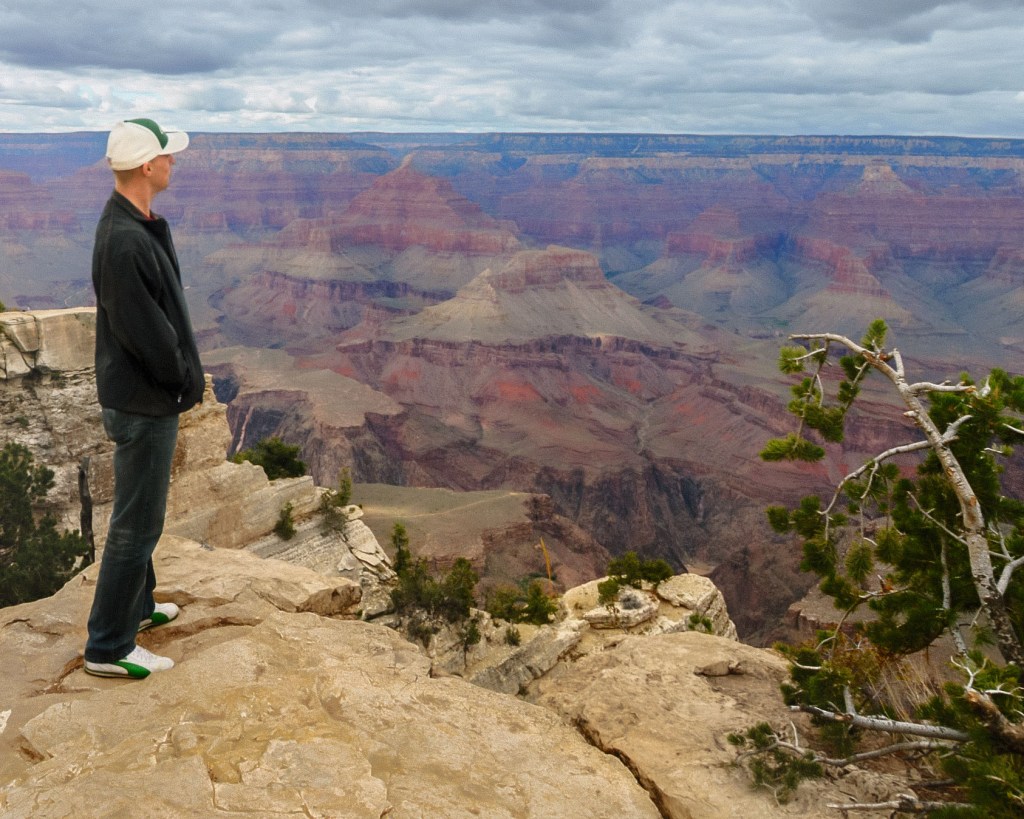
Old photographic files are emotional archaeology. They remind me how I once saw the world, and how my seeing has changed.
I open these folders the way one brushes dust from a buried wall—slowly, half-expecting something to collapse, half-hoping it won’t. Each image is a shard. Each filename a coordinate. Together they form a landscape I once walked through without knowing I was leaving tracks.
Digital photographs pretend to be light, but they are heavy with looking. The moment they open, time bends inward. A window reappears. A street exhales. Someone I knew stands exactly where they once stood, suspended in the careless confidence of being unremembered. These images do not move, yet they advance toward me.
In the earliest files, everything is crowded. The frame tries to hold too much sky, too many faces, too much proof. I wanted the world intact, uncut, unwilling to let anything fall outside the edges. I photographed as if loss were immediate, as if memory were already failing. The camera was my insurance policy against disappearance.
What I see now is hunger. Not for beauty, but for certainty. I didn’t yet trust experience to stay with me unless I pinned it down with pixels. I needed evidence that I had been there, that the moment had weight, that it could be returned to later and still answer my name.
As the years scroll forward, the images breathe. Space appears. Silence. The subject drifts to the margins. A shadow on a wall begins to matter more than the wall itself. I stop trying to gather the world and start listening to it. The photographs no longer ask to be believed; they ask to be felt.
This is where the archaeology turns inward. The record is no longer of places, but of attention. What I framed tells me what I was ready to notice. What I left out tells me what I could not yet see. Certain colors repeat like a private language. Certain distances hold, again and again, as if I were measuring how close I dared to be.
There are years filled with people, and years emptied of them. Years that lean toward motion, and others that kneel before stillness. At the time, none of this felt intentional. Now it reads like weather—patterns moving through me, shaping what the lens could hold.
Some photographs remember more than I do. Others remember things I was sure were essential, but now barely recognize. The archive is honest in a way memory is not. It does not flatter. It does not edit for narrative. It simply keeps what I gave it.
And yet, I feel tenderness toward every flawed frame. The awkward compositions. The overexposed skies. The moments that try too hard. They are sincere attempts to understand. You can’t fake attention, even when you don’t yet know what you’re paying it for.
These files are not proof of improvement. They are proof of continuity. Each image is a layer, not a correction. Each way of seeing made the next one possible. Nothing here is wasted.
Someday, the photographs I take now will become artifacts too. I will open them and wonder what I was reaching for, what I feared might vanish, what I thought mattered most. That is the quiet promise hidden in every image—not that it will preserve the past, but that it will teach the future how to look back gently.
 Photographer Clay
Leave a comment